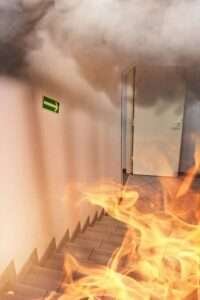
A home should be a place where families feel safe and comfortable. However, everyday activities such as cooking, using electrical appliances, charging devices, and operating gas equipment can create fire risks if proper precautions are not taken. A small incident can become a serious emergency when people do not have suitable fire protection equipment or a clear evacuation plan.
One important question every homeowner should ask is: Do you have a suitable fire extinguisher at home? Having the right equipment, understanding its purpose, and maintaining it properly can improve household preparedness. Nevertheless, an extinguisher is only one part of a complete fire safety plan. Smoke alarms, safe electrical practices, clear exits, and family awareness are equally important.
In Pakistan, where homes range from apartments and rented houses to large family residences, fire safety needs vary according to building design, cooking arrangements, electrical installations, and the equipment used daily. This guide explains why household fire extinguishers matter, how to choose appropriate protection, what maintenance involves, and how a fire alarm system in Pakistan fits into a broader home safety strategy.
1. Why Should Every Household Think About Fire Safety?
Many household fires begin during ordinary activities. Cooking oil may overheat, an electrical connection may become faulty, or a gas appliance may be used incorrectly. Poor maintenance and the unsafe storage of combustible materials can increase the risk.
The goal of household fire safety is not simply to purchase equipment. It is to reduce the chance of a fire starting, detect danger early, and help everyone leave the building safely if an emergency occurs.
A suitable fire extinguisher may help a trained adult deal with a very small, contained fire when conditions are safe. However, it cannot guarantee protection against every type of fire. Larger fires, rapidly spreading flames, and heavy smoke require immediate evacuation and assistance from emergency services.
Families should therefore consider several protective measures together:
– Install suitable smoke alarms and test them regularly.
– Keep electrical wiring and appliances in good condition.
– Follow safe cooking and gas-use practices.
– Keep doors, corridors, and stairways clear.
– Learn the safest exits from the home.
– Keep appropriate fire protection equipment accessible.
– Make sure every family member knows what to do during an emergency.
These measures create a more reliable safety plan than depending on one piece of equipment.
2. What Is a Fire Extinguisher, and How Does It Work?
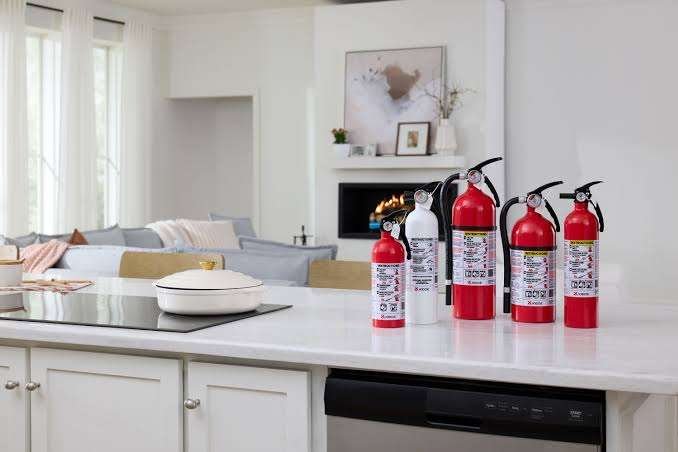
A fire extinguisher is a portable device designed to control certain types of fires. Depending on its extinguishing agent, it may cool burning materials, interrupt the chemical reaction that sustains flames, or separate the fire from oxygen.
Different extinguishers are designed for different fire hazards. Selecting the wrong type can make an incident more dangerous, particularly when electricity or cooking oil is involved.
Common types include:
ABC dry chemical extinguishers
ABC extinguishers are designed for several common fire categories, including ordinary combustible materials, flammable liquids, and certain electrical equipment fires, subject to the product’s rating and instructions.
They may be suitable for some household settings, but users should confirm the extinguisher’s certification, intended applications, and suitability for the specific risks in their home.
Carbon dioxide extinguishers
Carbon dioxide (CO₂) extinguishers are commonly used for certain flammable-liquid and electrical-equipment fires. They leave little residue, which can be useful around sensitive equipment.
However, CO₂ extinguishers have limitations, and their suitability depends on the circumstances. They can also create an asphyxiation hazard in confined spaces, so product instructions and professional advice are important.
Wet chemical extinguishers
Wet chemical extinguishers are designed primarily for cooking-oil and fat fires, especially in commercial kitchens. Their suitability for a residential kitchen depends on the specific product and the hazards present.
Important: Never use water on burning cooking oil or on equipment that may be electrically live. If a kitchen fire develops, leave immediately if it is not clearly small and contained, and do not risk reaching equipment or attempting to fight the fire.
3. How Can You Choose a Fire Extinguisher for Your Home?
Choosing household fire protection equipment requires more than selecting the cheapest or largest available model. Consider the risks, the layout of the house, the equipment’s certification, and whether an adult can safely handle it.
Assess the main fire risks
Start by identifying areas where fires are more likely to occur. These may include:
– Kitchens where cooking oil, gas appliances, or electrical equipment are used.
– Utility areas containing electrical panels or appliances.
– Garages and storage rooms containing flammable products.
– Areas with multiple chargers, extension leads, or electrical devices.
The purpose of this assessment is to identify appropriate safety measures, not to encourage residents to approach or investigate a suspected fire.
Check the extinguisher’s rating
The label should clearly identify the fire classes for which the extinguisher is designed. Check its certification, instructions, size, operating requirements, and recommended applications.
A qualified fire safety professional can help determine the appropriate equipment for a particular home. Requirements may differ between a small apartment, a multistorey residence, and a property with a garage or workshop.
Consider accessibility
Fire protection equipment should be easy for responsible adults to locate and reach without moving furniture or searching through storage areas. It should not block an exit or be placed where someone would need to pass through a dangerous area to retrieve it.
Keep the device away from young children’s reach while ensuring responsible adults can access it promptly.
Purchase from a reputable supplier
Choose a supplier that can explain the product’s intended use, provide appropriate documentation, and advise on inspection and servicing. Avoid products with unclear labels, missing instructions, visible damage, or uncertain service histories.
4. Why Is a Fire Alarm System Important at Home?
A fire extinguisher and a fire alarm serve different purposes. An extinguisher may help control a small fire under safe conditions, while an alarm provides an early warning that can give occupants valuable time to leave.
Smoke can spread through a building before people notice flames. A functioning smoke alarm can alert household members, including those who are sleeping or in another room.
A fire alarm system in Pakistan may be relevant to residential properties, particularly larger homes, multistorey buildings, and properties where additional detection or notification arrangements are appropriate. The system required depends on the building, its use, applicable local requirements, and the advice of a qualified professional.
For many households, practical fire detection measures include:
– Installing suitable smoke alarms in recommended locations.
– Following the manufacturer’s placement instructions.
– Testing alarms according to the manufacturer’s guidance.
– Replacing batteries or devices when required.
– Avoiding locations where cooking fumes or steam may cause repeated false alarms, unless the equipment is specifically suitable.
– Never disabling an alarm simply because it has sounded repeatedly.
In larger residential buildings, interconnected alarms or a professionally designed detection system may offer additional benefits. Building owners should confirm which systems are required under applicable regulations.
The most important point is that early warning and safe evacuation should come before attempting to save belongings or fight a fire.
5. Common Household Fire Hazards in Pakistan
Understanding familiar hazards can help families make safer decisions.
Electrical faults
Damaged cables, loose connections, overloaded extension leads, and poorly maintained installations may increase fire risk. Warning signs such as unusual heat, burning smells, sparks, or repeated circuit-breaker trips should be taken seriously.
Do not attempt repairs on live electrical equipment. Ask a qualified electrician to investigate problems.
Cooking and kitchen equipment
Cooking requires attention, particularly when oil or fat is heated. Keep combustible items away from cooking appliances and avoid leaving active cooking unattended.
If a pan catches fire, do not carry it, and never pour water onto burning oil. If the situation is not immediately and safely manageable, evacuate and call for emergency assistance.
Gas appliances and cylinders
Gas equipment should be installed and maintained by qualified personnel. Follow the manufacturer’s instructions, keep cylinders in approved and suitably ventilated locations, and avoid unsafe modifications.
If you suspect a gas leak, avoid flames and electrical switches, leave the affected area, and contact the appropriate emergency or gas service from a safe location.
Candles and open flames
Keep candles and other open flames away from curtains, bedding, paper, and other combustible materials. Extinguish them before leaving the room or going to sleep.
Heating and backup equipment
Generators and other fuel-powered equipment must be operated outdoors in accordance with manufacturer instructions, away from doors, windows, and ventilation openings. Never operate a fuel-powered generator inside a house, garage, or enclosed area because of the risk of carbon monoxide poisoning and fire.
6. Where Should Fire Extinguishers Be Kept?
The correct placement depends on the home layout, the extinguisher’s intended use, and professional guidance. Equipment should be accessible without requiring someone to approach a likely fire location.
Potential placement areas may include a suitable location near an exit from a kitchen or utility area, provided it can be reached safely. A qualified professional can help determine appropriate locations for larger homes.
Follow these general principles:
– Keep extinguishers visible and unobstructed.
– Mount or store them as directed by the manufacturer.
– Protect them from conditions that could damage the cylinder or affect performance.
– Avoid placing them behind locked doors or piles of household items.
– Do not place them where a person would have to move closer to a fire to retrieve them.
– Make sure responsible adults know their locations.
Do not treat an extinguisher as a substitute for a smoke alarm, an escape route, or emergency services.
7. How to Maintain a Fire Extinguisher
An extinguisher that is damaged, discharged, incorrectly stored, or past its required service interval may not work when needed. Regular checks help identify problems before an emergency.
Conduct visual inspections
Check the extinguisher according to the manufacturer’s instructions and any applicable servicing requirements. Look for:
– Visible dents, corrosion, leaks, or other damage.
– A missing or unreadable label.
– A missing safety pin or damaged seal, where applicable.
– A pressure gauge outside its indicated operating range, if fitted.
– Blocked or damaged hoses and nozzles.
– Signs that the unit has been used or tampered with.
If you identify a problem, arrange professional inspection or replacement as appropriate.
Follow professional servicing requirements
Some extinguishers need periodic servicing, pressure testing, or recharging by qualified personnel. The schedule depends on the extinguisher type, manufacturer guidance, applicable standards, and local requirements.
Do not disassemble, refill, or modify an extinguisher yourself. After any use, even if it appears that only a small amount was discharged, arrange the required service before returning it to use.
Keep records
For homes with multiple extinguishers or more complex fire protection systems, a simple record of purchase dates, inspections, and servicing can help prevent missed maintenance.
8. Should You Try to Use an Extinguisher During a Fire?
Only a small, contained fire may be appropriate for an attempted response by a trained adult, and only when there is a clear escape route and no immediate danger from smoke, heat, or spreading flames.
The U.S. Fire Administration advises people to use extinguishers only when they can do so safely and know how to operate the equipment. If there is any uncertainty, occupants should leave and contact emergency services.
For families, the safest priorities are:
1. Alert everyone in the home.
2. Leave by the nearest safe exit.
3. Stay low if smoke is present and avoid entering smoke-filled areas.
4. Close doors behind you if it is safe to do so.
5. Gather at a pre-agreed outdoor meeting point.
6. Contact local emergency services from a safe location.
7. Do not re-enter until emergency responders say it is safe.
Children and teenagers should not be expected to fight fires. Their priority should always be to alert an adult, evacuate, and follow the family emergency plan.
9. Create a Family Fire Escape Plan
Having an extinguisher is useful, but every household also needs a plan for getting out safely. Discuss the plan with everyone who lives in the home, including children, older adults, and people who may need assistance.
Identify escape routes
Choose a primary exit and an alternative route wherever possible. Make sure doors, corridors, and stairways remain clear. Residents of apartments should understand the building’s designated escape routes and follow building management instructions.
Never rely on lifts during a fire unless emergency personnel explicitly direct otherwise.
Choose an outdoor meeting place
Select a safe location away from the building where everyone can gather. This helps family members establish whether anyone may still be inside.
Practise the plan
Review the escape plan periodically and whenever the household layout changes. Discuss what to do if smoke blocks the normal exit and how to call for help.
Include people who need extra assistance
Plan ahead for young children, older adults, and anyone with mobility, hearing, or vision needs. Make sure the arrangements are realistic and that everyone understands their role.
10. Fire Safety Equipment Beyond Extinguishers
A well-prepared home may need several complementary safety measures. The appropriate selection depends on the property’s layout and risks.
Smoke alarms: Provide early warning and should be tested and maintained according to their instructions.
Fire blankets: May be appropriate for specific small, contained fires when the blanket is designed for that purpose and the situation is safe. They are not a solution for every kitchen fire.
Emergency lighting: May help occupants navigate escape routes in larger or more complex residential settings.
Fire safety signage: Can be useful in shared buildings, apartment blocks, and properties where visitors may not know the available exits.
Suitable electrical protection: Correctly installed wiring, circuit protection, and professional maintenance help reduce electrical hazards.
These measures should form part of an overall safety plan rather than being purchased without considering their intended purpose.
11. Fire Safety Responsibilities for Homeowners and Landlords
Homeowners should maintain their property, address electrical or gas problems promptly, and make sure household members understand basic emergency procedures.
Landlords and building managers may have additional responsibilities depending on the property type and local regulations. In shared residential buildings, they should pay particular attention to common corridors, stairways, exit doors, alarm arrangements, and any required fire protection systems.
Pakistan’s Building Code of Pakistan (Fire Safety Provisions–2016), developed by the Pakistan Engineering Council in collaboration with the National Disaster Management Authority, provides a national framework for fire prevention, life safety, and fire protection. Its application and enforcement depend on the relevant authorities and applicable requirements. Property owners should consult the current rules and the appropriate local building authority rather than assuming that one checklist applies to every residence.
12. A Simple Home Fire Safety Checklist
Use this checklist to review your household’s preparedness:
– [ ] Suitable smoke alarms are installed where recommended.
– [ ] Alarms are tested and maintained according to their instructions.
– [ ] Appropriate fire extinguishers have been selected for the identified hazards.
– [ ] Extinguishers are accessible, undamaged, and within their required service intervals.
– [ ] Electrical wiring and appliances are in good condition.
– [ ] Cooking areas are kept clear of unnecessary combustible materials.
– [ ] Gas appliances and cylinders are handled and maintained safely.
– [ ] Doors, corridors, and stairs are clear.
– [ ] Everyone knows the safest exits.
– [ ] The family has an outdoor meeting point.
– [ ] Children know to leave the building rather than attempt to fight a fire.
– [ ] Emergency contact information is available to household members.
Review this list periodically and after changes to the home’s layout, electrical equipment, or occupancy.
Conclusion
So, do you have a fire extinguisher at home? If not, it may be worth assessing your household’s fire risks and consulting a qualified fire safety professional about suitable equipment. If you already have one, check that it is appropriate for the hazards present, accessible to responsible adults, and maintained according to its instructions.
Remember that an extinguisher is only one element of home protection. Smoke alarms, safe electrical and gas practices, clear escape routes, and a family emergency plan all contribute to safer living conditions.
For households considering a fire alarm system in Pakistan, the best approach is to assess the building’s needs, follow applicable local requirements, and seek professional guidance where necessary. Most importantly, when a fire is spreading or there is any doubt about safety, leave immediately and contact emergency services. Protecting people must always come before protecting property.
Frequently Asked Questions (FAQs)
1. Should every home have a fire extinguisher?
A suitable extinguisher can be a useful part of household fire preparedness. The right type and size depend on the home’s layout and fire hazards. Smoke alarms, clear exits, and an evacuation plan are also essential.
2. Which fire extinguisher is suitable for home use?
The appropriate extinguisher depends on the hazards present, such as ordinary combustible materials, flammable liquids, electrical equipment, or cooking oils. Check the product’s rating and consult a qualified fire safety professional before choosing one.
3. Where should a fire extinguisher be placed at home?
It should be visible, accessible to responsible adults, protected from damage, and located where it can be reached without approaching a fire. Follow the manufacturer’s instructions and seek professional advice about placement.
4. How often should a home fire extinguisher be checked?
Inspect it according to the manufacturer’s guidance and applicable requirements. Look for damage, leakage, missing parts, and an incorrect pressure reading where a gauge is fitted. Arrange professional servicing when required.
5. Is a fire alarm system necessary along wit