Electricity is an essential part of modern life. From lighting and ceiling fans to refrigerators, air conditioners, washing machines, and mobile phone chargers, most households depend on electrical appliances every day. However, damaged wiring, overloaded sockets, faulty appliances, and poor electrical maintenance can increase the risk of a fire.
Electrical fires can develop without much warning. A loose connection may generate heat, a damaged cable may cause an electrical fault, or an overloaded extension board may become dangerously hot. These problems are not always visible, which makes prevention and regular inspection important for every household.
In Pakistan, homes often use several high-power appliances simultaneously, particularly during hot weather when fans and air conditioners operate for extended periods. Older buildings may also have outdated wiring or electrical installations that need professional inspection.
Electrical fire safety is therefore an important part of protecting your family and property. Along with safe electrical practices, a suitable Fire alarm system in Pakistan can help provide early warning when a fire develops.
This guide explains the common causes of electrical fires, practical prevention measures, the importance of fire detection, and the steps households can take to improve electrical safety.
1. What Is Electrical Fire Safety?
Electrical fire safety refers to the precautions used to reduce the risk of fires caused by electrical installations, wiring, appliances, and equipment.
It includes installing suitable electrical systems, avoiding overloaded sockets, replacing damaged cables, maintaining appliances, and ensuring that electrical problems are handled by qualified professionals.
Electrical fire safety also involves preparing for emergencies. Even when a household follows good prevention practices, a fault can still occur. Smoke alarms, accessible exits, and a family evacuation plan can help occupants respond appropriately.
The main elements of electrical fire safety include:
– Properly installed electrical wiring.
– Suitable circuit protection and earthing.
– Safe use of sockets and extension boards.
– Regular inspection of electrical installations.
– Responsible use of high-power appliances.
– Appropriate smoke detection and alarm arrangements.
– Clear escape routes and an emergency plan.
These measures work together. No single device or precaution can eliminate every electrical fire risk.
2. Why Is Electrical Fire Safety Important for Pakistani Homes?
Electrical safety deserves attention in houses, apartments, rented properties, and residential buildings throughout Pakistan.
Many households use refrigerators, electric irons, water heaters, air conditioners, microwave ovens, and other appliances. When electrical systems are poorly maintained or equipment is used incorrectly, these everyday activities can create avoidable hazards.
Protecting family members
An electrical fire may produce smoke before occupants notice flames. If the fire starts at night or in an unoccupied room, people may not immediately recognise the danger.
Suitable smoke alarms can provide an early warning, while a prepared escape plan helps household members understand how to leave safely.
Reducing property damage
Fire can damage furniture, clothing, appliances, documents, and the building itself. Preventing electrical faults and responding quickly to warnings may reduce the likelihood of a small incident becoming a major emergency.
Protecting electrical equipment
Electrical faults can damage connected devices and disrupt essential household activities. Correct installation, appropriate protective devices, and regular maintenance can help reduce these risks.
Supporting safer homes
Electrical safety should be part of normal household maintenance rather than something considered only after an incident. Checking for visible damage and arranging professional inspections can help identify concerns before they become emergencies.
3. Common Causes of Electrical Fires at Home
Understanding common hazards helps households take sensible preventive action.
Overloaded sockets
Connecting too many appliances to one socket or extension board can exceed its rated capacity. Excessive current may cause overheating, particularly when connections are loose or equipment is damaged.
High-power appliances should be connected according to their manufacturer instructions and the capacity of the electrical circuit.
Damaged electrical wiring
Cables can become damaged through ageing, physical pressure, poor installation, moisture, or accidental cutting. Damaged insulation may expose conductors or allow electrical faults to develop.
Never ignore exposed wires or attempt to repair damaged wiring without suitable qualifications.
Faulty appliances
An appliance with damaged internal components, a defective plug, or a worn power cable may present a fire or electric-shock risk.
If an appliance produces a burning smell, unusual heat, sparks, or repeated electrical faults, stop using it if it is safe to do so and arrange a professional inspection.
Loose electrical connections
Loose connections can create resistance and heat. Signs may include buzzing, crackling, discolouration, or unusual warmth around a switch or socket.
These warning signs should be investigated by a qualified electrician. Do not remove socket covers or touch potentially faulty electrical components yourself.
Improper use of extension boards
Extension boards are useful when used within their ratings, but they should not replace permanent household wiring. Connecting multiple extension boards together or using unsuitable equipment for high-power appliances can create hazards.
Use properly rated products with suitable overload protection, and replace damaged units.
Poor-quality electrical products
Electrical products that do not meet appropriate safety requirements may have inadequate insulation, unsuitable components, or unreliable protective features.
Choose equipment from reputable suppliers and follow the manufacturer’s installation and operating instructions.
Electrical faults involving water
Water and electricity can create a dangerous combination. Wet switches, sockets, appliances, and electrical panels should not be used until they have been assessed and declared safe by a qualified professional.
This is particularly important in kitchens, bathrooms, laundry areas, and locations affected by rain or flooding.
4. Warning Signs You Should Never Ignore
Electrical problems sometimes provide warning signs before a serious incident occurs. Recognising them can help you arrange repairs promptly.
Look out for:
– A burning-plastic or burning-wire smell.
– Sockets or switches that become unusually hot.
– Frequent circuit-breaker trips.
– Flickering lights that may indicate an electrical fault.
– Buzzing or crackling sounds from electrical fittings.
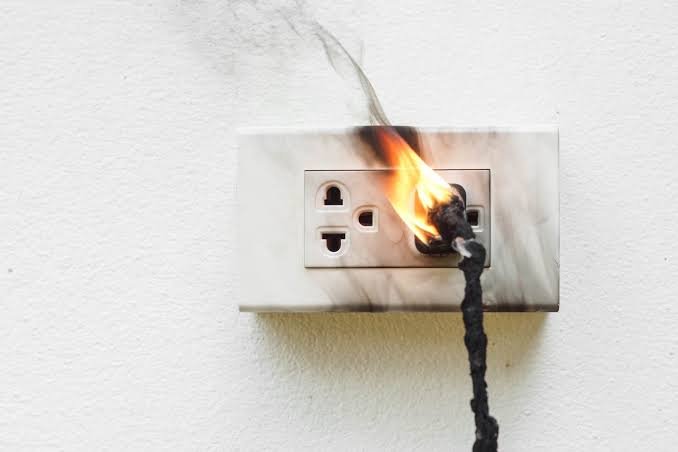
– Black marks or discolouration around sockets.
– Damaged plugs, cables, or insulation.
– Sparks or smoke coming from electrical equipment.
These symptoms do not all indicate that a fire is certain to occur, but they should never be ignored.
Stop using the affected equipment when it is safe to do so and contact a qualified electrician. If there is smoke, active sparking, or a fire, move away, evacuate, and contact the local emergency service. Never touch exposed wires or attempt to investigate a live electrical fault.
5. How to Prevent Electrical Fires at Home
Prevention starts with simple habits and continues through proper installation and maintenance.
Avoid overloading sockets
Check the ratings of sockets, extension boards, and appliances. Do not connect several high-power devices to a single outlet simply because multiple plugs fit into it.
If your household regularly needs more electrical connections, ask a qualified electrician to assess whether additional properly installed outlets or circuits are necessary.
Replace damaged cables
Do not continue using a cable because the appliance still appears to work. Frayed insulation, loose plugs, crushed cables, and exposed conductors are reasons to stop using the equipment and arrange a suitable replacement.
Avoid placing cables beneath heavy furniture, rugs, or doors where they may be damaged.
Arrange professional electrical inspections
A qualified electrician can examine wiring, sockets, switches, earthing, and protective devices. An inspection is particularly important when a property has old wiring, repeated electrical problems, or a history of unauthorised modifications.
In Pakistan, the National Electric Power Regulatory Authority (NEPRA) advises consumers to arrange regular inspections of internal wiring through a licensed electrician and not to carry out electrical repairs themselves.
Use appliances according to instructions
Follow the manufacturer’s instructions for installation, ventilation, cleaning, and operation. Keep appliances away from materials that could catch fire, and avoid using equipment that shows signs of damage.
Unplug appliances when appropriate and safe to do so, particularly before cleaning or carrying out permitted routine maintenance.
Keep electrical equipment dry
Do not handle plugs or switches with wet hands. Keep electrical equipment away from water sources and arrange professional assessment if a socket, appliance, or switchboard becomes wet.
Use appropriate protective devices
Circuit breakers and other correctly selected protective devices can help protect electrical circuits against specified faults. Their selection and installation should be based on the circuit design and applicable requirements.
Never replace a protective device with one of a higher rating simply because the existing device trips frequently. Repeated tripping may indicate a problem that needs investigation.
6. The Importance of Smoke Detectors and Fire Alarm Systems
Preventing electrical faults is essential, but early detection is another important layer of protection.
A smoke alarm detects smoke and provides an audible warning. A more comprehensive fire alarm system may include multiple detectors, manual call points, sounders, a control panel, and other components depending on the building’s design and needs.
For households researching a Fire alarm system in Pakistan, it is important to understand that alarms do not prevent electrical faults. Their purpose is to alert people to a potential fire so they can respond promptly.
Early warning during the night
A fire that develops while family members are asleep may not be noticed immediately. Properly installed and maintained smoke alarms can help alert occupants when smoke is detected.
Protection across different areas
Smoke alarms should be installed in suitable locations according to recognised guidance, the layout of the home, and the manufacturer’s instructions. Common recommendations include installing alarms inside sleeping rooms, outside sleeping areas, and on each level of the home.
Alarm placement matters. Locations too close to cooking appliances may cause nuisance alarms, so follow installation guidance.
Interconnected alarms
Where suitable, interconnected alarms provide additional warning because activation of one device can cause other connected alarms to sound. This can be useful in larger homes or buildings with several floors.
Regular testing
Test smoke alarms according to the manufacturer’s instructions, commonly at least once a month. Replace batteries or complete other maintenance as directed, and replace units when they reach the end of their service life.
A fire alarm system should be suitable for the property and maintained by competent personnel where professional installation or servicing is required.
7. Electrical Safety in Kitchens and Other High-Risk Areas
Some household areas need additional attention because they combine electrical equipment with heat, water, or frequent appliance use.
Kitchen safety
Kitchens contain appliances such as refrigerators, microwave ovens, electric kettles, and other cooking equipment. Keep electrical equipment away from water and ensure that appliances have sufficient ventilation.
Do not leave heat-producing appliances operating contrary to their instructions, and keep paper, cloth, and other combustible materials away from hot surfaces.
If an electrical appliance catches fire, do not pour water onto it. Evacuate if there is danger and contact emergency services.
Air conditioners and fans
Air conditioners and fans may operate for long periods, particularly during hot weather in Pakistan. Their electrical supply, plugs, connections, and installation should be suitable for the equipment.
Have recurring faults, unusual noises, overheating, or damaged wiring assessed by a qualified professional.
Bedrooms and living rooms
Avoid placing lamps and electrical equipment close to curtains, bedding, or other materials that may ignite. Do not run damaged charging cables or use unsuitable chargers.
Keep smoke alarms in appropriate locations and ensure that doors and escape routes can be opened easily.
Laundry and bathroom areas
Water, humidity, and electrical equipment require careful management. Use suitable equipment, follow installation requirements, and never operate a wet or damaged appliance until it has been checked.
8. What Should You Do If an Electrical Fire Starts?
The safest response is to protect people first. Electrical fires can involve live equipment, smoke, and rapidly changing conditions.
Follow these basic principles:
1. Raise the alarm. Warn everyone in the home so they can leave.
2. Evacuate immediately. Use a safe exit and stay away from smoke and flames.
3. Do not use water on electrical equipment. Water can conduct electricity and create an additional hazard.
4. Do not touch damaged wires or electrical panels. Never risk an electric shock to investigate the problem.
5. Call the local fire and emergency service from a safe location.
6. Stay outside. Do not re-enter the building to collect belongings or investigate the source of the fire.
Only operate a main electrical isolator if it is safely accessible and doing so does not bring you close to fire, smoke, water, or exposed electrical parts. Never delay evacuation to switch off the power.
Although some fires may be addressed with suitable firefighting equipment by trained adults under appropriate conditions, household members should prioritise escape and emergency assistance rather than attempting to fight an electrical fire.
9. Electrical Fire Safety and Building Requirements in Pakistan
Pakistan’s Building Code of Pakistan—Fire Safety Provisions 2016 includes a section on electrical fire safety. It addresses permanent and temporary electrical appliances, equipment, fixtures, wiring, and related installation considerations.
The code states that new electrical wiring, fixtures, appliances, and equipment should be installed according to NFPA 70 or another approved code or standard, as applicable. Requirements can vary with the type of building and relevant authority.
NEPRA’s public safety guidance also advises consumers not to overload sockets and extension cords, not to use defective wiring or electrical fittings, and to avoid attempting electrical repairs themselves.
These principles are relevant to houses, apartments, rented properties, and other residential settings. However, requirements for a particular property depend on its circumstances and the authorities responsible for it.
Homeowners should use qualified electrical professionals and verify applicable requirements rather than relying on informal repairs or assumptions about older installations.
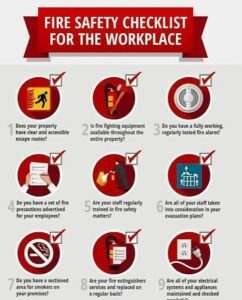
10. Creating a Home Electrical Fire Safety Checklist
A simple checklist can help households review common hazards regularly.
Use the following points as a starting guide:
– Electrical sockets and switches show no visible damage.
– Power cables are intact and appropriately positioned.
– Extension boards are not overloaded.
– High-power appliances are used according to their ratings.
– Electrical installations are inspected when needed.
– Circuit breakers are not repeatedly tripping without investigation.
– Electrical equipment is kept away from water.
– Smoke alarms are installed in suitable locations.
– Alarm testing and maintenance are up to date.
– Family members understand the escape plan.
– Exit routes remain clear and doors can be opened easily.
– Emergency contact information is accessible.
– Children are taught not to touch exposed wires or damaged electrical equipment.
If you identify a damaged cable, a hot socket, or another electrical concern, do not attempt a risky repair. Arrange professional assistance and stop using the affected equipment when safe.
11. Teaching Children About Electrical Fire Safety
Children should learn simple, age-appropriate electrical safety habits.
Explain that sockets, exposed wires, damaged chargers, and electrical panels are not toys. They should tell a responsible adult if they notice sparks, smoke, unusual smells, or damaged equipment.
Keep electrical items and charging accessories in safe condition and prevent young children from accessing dangerous electrical fittings. Any protective covers used should be suitable for the installed sockets.
Families should also practise their escape plan. Children need to know how to leave the home, where to meet outside, and why they must never go back inside after escaping.
The goal is to help children recognise danger and seek adult assistance, not to make them responsible for electrical repairs or emergency firefighting.
12. Choosing Suitable Fire Safety Equipment
Fire safety equipment should be selected according to the risks and layout of the property. A small house may need a different arrangement from a large multi-storey residence or an apartment building.
When evaluating a smoke alarm or a Fire alarm system in Pakistan, consider:
– Whether the equipment meets relevant safety standards.
– Whether its type is suitable for the intended location.
– Whether it can provide adequate warning throughout the property.
– Whether installation and maintenance instructions are available.
– Whether backup power is provided where required.
– Whether servicing can be carried out by competent personnel.
Avoid choosing equipment based only on its price or appearance. A product that is unsuitable for the property may not provide the expected protection.
For general information about fire safety equipment and related solutions, visit “Fire Safety Trading” (https://firesafetytrading.com.pk/). Assess the needs of your home before selecting any product, and consult a qualified professional when technical guidance is necessary.
Conclusion
Electrical fire safety at home begins with recognising hazards and preventing avoidable electrical faults. Overloaded sockets, damaged wiring, defective appliances, and poor maintenance can all increase risk, but responsible use and professional inspections can help address these concerns.
Early warning is equally important. Properly installed smoke alarms, maintained detection equipment, clear escape routes, and a family emergency plan help households prepare for an unexpected fire.
For families considering a Fire alarm system in Pakistan, alarms should be viewed as one part of a wider safety approach. They work best alongside sound electrical installation, regular maintenance, responsible appliance use, and clear emergency procedures.
Make electrical safety a regular household priority. If you notice warning signs, stop using the affected equipment when safe and seek qualified assistance. If a fire occurs, evacuate immediately and contact emergency services.
Frequent