Schools are places where children learn, develop skills, and prepare for their future. However, keeping students safe requires more than secure classrooms and qualified teachers. Schools must also be prepared for emergencies, including fires that can develop because of electrical faults, unsafe cooking practices, damaged equipment, or poor maintenance.
A fire emergency in a school can be especially challenging because many students may need to leave the building at the same time. Younger children might not understand alarm signals, while teachers and support staff must guide students toward safe exits. Without a clear plan, even a small incident can cause confusion and delays.
This is why school fire safety should be treated as an essential investment rather than an optional expense. Appropriate detection equipment, reliable alarms, clear evacuation routes, regular drills, and staff training can help schools prepare for emergencies.
For educational institutions researching a **Fire alarm system in Pakistan**, understanding how fire detection works and how it fits into a complete safety plan is an important first step. This guide explains the major elements of school fire safety, common risks, maintenance requirements, and practical measures that schools across Pakistan can consider.
## 1. Why Is School Fire Safety Important?
Schools often contain classrooms, science laboratories, computer rooms, libraries, offices, storage areas, cafeterias, and electrical equipment. Each area can present different fire risks.
Electrical appliances may operate throughout the day, while laboratories and kitchens can introduce additional hazards. A fire that begins in one room can affect nearby areas if it is not detected promptly.
Children also depend on adults to provide direction during emergencies. School management must therefore ensure that safety arrangements are suitable for the building, the number of occupants, and the ages and needs of the students.
A comprehensive school fire safety programme helps to:
– Improve awareness of potential fire hazards.
– Provide early warning when a fire is suspected.
– Help students and staff evacuate in an organised manner.
– Reduce confusion during emergencies.
– Clarify staff responsibilities.
– Identify maintenance problems before they become serious.
– Support compliance with applicable safety requirements.
The National Disaster Management Authority’s Pakistan School Safety Framework emphasises emergency planning, early warning, evacuation procedures, and regular practice drills. These measures help schools develop a more organised approach to emergencies.
## 2. Common Causes of Fires in Schools
Understanding common fire risks helps school administrators identify problems before an incident occurs.
### Electrical faults
Schools use computers, printers, projectors, fans, air conditioners, laboratory equipment, and other electrical appliances. Damaged cables, faulty connections, overloaded sockets, and poorly maintained equipment can increase fire risk.
Electrical systems should be inspected by qualified personnel, and damaged equipment should be taken out of service until it has been assessed and repaired.
### Unsafe storage practices
Paper, cardboard, books, cleaning materials, and other combustible items may accumulate in storerooms or corridors. If these materials are stored carelessly, they can increase fire hazards or obstruct evacuation routes.
Storage areas should remain organised, and combustible materials should be kept away from unsuitable heat sources and electrical equipment.
### Laboratory hazards
Science laboratories may contain heating equipment, electrical devices, and substances that require special handling. Schools should establish clear laboratory procedures and ensure that teachers supervise activities appropriately.
Only trained and authorised personnel should manage specialised equipment and hazardous materials.
### Kitchen and cafeteria risks
Schools that prepare meals may use cooking appliances and electrical equipment. Poor maintenance, unattended cooking, and unsuitable storage arrangements can create hazards.
Kitchen staff should receive appropriate safety training, and cooking areas should have suitable detection and fire protection arrangements based on a professional risk assessment.
### Poor maintenance
A damaged electrical fitting, an alarm that does not work, or a blocked exit can weaken a school’s overall safety arrangements. Regular inspections help identify these issues and ensure that corrective action is taken promptly.
## 3. The Role of Fire Alarm Systems in Schools
A fire alarm system is one of the key components of a school fire safety plan. Its purpose is to detect signs of a possible fire and alert people so they can follow the established emergency procedures.
Depending on the system design, it may include smoke detectors, heat detectors, manual call points, audible sounders, visual warning devices, and a central control panel.
When a detector identifies a condition that meets its activation criteria, it sends a signal that triggers an alarm. In larger systems, a control panel can indicate the affected zone or device, helping trained staff and emergency responders understand where the warning originated.
### Early warning
An alarm can notify people before they see flames or recognise that smoke is spreading. This early warning is particularly important in buildings with multiple classrooms or floors.
### Wider notification
An alarm must be capable of alerting occupants in the areas it is intended to protect. Schools should ensure that the warning can be heard or seen in relevant spaces, including classrooms, offices, and other occupied areas.
### Support for evacuation
An alarm signals that people should follow the school’s emergency procedures. Staff members can then guide students toward the designated exits and assembly areas.
### Better emergency coordination
In larger institutions, an appropriately designed system may help trained staff identify the affected area and communicate relevant information to emergency responders.
When selecting a **Fire alarm system in Pakistan**, schools should consider the building’s layout, the number of occupants, the type of rooms, and applicable local requirements instead of choosing equipment based only on price.
## 4. Types of Fire Detection and Alarm Equipment
Different school buildings require different arrangements. The correct solution depends on a professional assessment of the premises and the intended purpose of each device.
### Smoke detectors
Smoke detectors identify smoke particles in the air and activate an alarm when the detected conditions meet the device’s operating criteria. They are an important consideration for many indoor school areas.
Their placement should follow the manufacturer’s instructions and the system design. Dust, steam, and unsuitable environmental conditions can affect some detectors, so device selection matters.
### Heat detectors
Heat detectors respond to temperature conditions rather than smoke alone. They may be appropriate in particular locations where ordinary smoke detection could cause frequent unwanted activations.
They should not be used as a general replacement for smoke detection. A qualified professional should determine the appropriate type and location for each area.
### Manual call points
Manual call points allow a person to activate the alarm when they discover a suspected fire. They should be positioned and identified according to the system design and relevant requirements.
Staff and students should receive age-appropriate information about their purpose and the importance of reporting genuine emergencies.
### Audible and visual alarms
Sounders provide an audible warning, while visual notification devices can help alert people who may not hear the alarm clearly. Schools should consider students, staff, and visitors who have hearing or other accessibility needs.
### Fire alarm control panels
A control panel receives signals from connected devices and communicates the system’s status. Depending on its capabilities, it may identify the affected zone, show faults, and indicate other system conditions.
Complex systems require appropriate installation, testing, documentation, and maintenance.
## 5. Planning Safe Evacuation Routes
A working alarm is only effective when occupants know how to respond. Every school should have a clear evacuation plan suited to its building and population.
### Identify suitable exits
Schools should identify the appropriate exits from classrooms, laboratories, libraries, offices, and other occupied spaces. Exit routes must be clearly communicated and maintained in accordance with applicable requirements.
### Keep corridors clear
Desks, boxes, furniture, cleaning equipment, and stored materials should not obstruct corridors, staircases, or exit doors. Clear routes allow students and staff to move without unnecessary delays.
### Display evacuation information
Simple evacuation maps and instructions can help staff and visitors understand the route to safety. Signs should be positioned where people can see them, and required emergency lighting should be maintained.
### Establish assembly points
Every school should identify a suitable assembly area outside the building. It should be positioned away from immediate hazards and should not obstruct emergency vehicles or responders.
### Plan for additional assistance
Young children and people with mobility, sensory, or other accessibility needs may require specific evacuation arrangements. Schools should assign responsibilities in advance and ensure that the plan does not depend on improvised decisions during an emergency.
## 6. Fire Safety Responsibilities of Teachers and Staff
Teachers and school employees play an important role in helping students respond calmly to emergencies. Their responsibilities should be established before an incident occurs.
School management should ensure that staff members understand:
– How to recognise and report a suspected fire.
– What the school’s alarm signals mean.
– Which evacuation procedures apply to their area.
– Where students should assemble.
– How attendance and headcounts are managed.
– How to contact the appropriate emergency services.
– How to communicate information about missing or injured people to responders.
Teachers should follow the school’s evacuation procedures and avoid actions that expose themselves or students to unnecessary danger.
Schools should also designate responsible personnel for alarm-system maintenance, emergency planning, inspection records, and communication with relevant authorities.
Training should be refreshed when staff members change, new equipment is installed, or the building layout is modified.
## 7. The Importance of School Fire Drills
Fire drills help students and staff practise what to do when an alarm sounds. They can also reveal weaknesses in evacuation routes, communication, attendance procedures, and staff coordination.
The Pakistan School Safety Framework recommends regular mock drills, including practice in early warning, evacuation, and related emergency procedures. It describes conducting drills at least once every three months, with frequency adjusted to the school’s needs and circumstances.
A useful school drill should include the following elements:
**Preparation:** Explain the purpose of the drill, confirm responsibilities, and ensure that arrangements are appropriate for students who need assistance.
**Alarm and response:** Activate the designated warning according to the drill plan and have occupants follow the school’s procedures.
**Evacuation:** Guide students and staff along the designated routes without running, pushing, or returning to collect belongings.
**Assembly and headcount:** Bring occupants to the agreed assembly point and account for students, staff, and visitors using established procedures.
**Review:** Record the time taken, note any blocked routes or communication problems, and assign responsibility for correcting identified weaknesses.
Drills should be conducted carefully so that they build confidence rather than create unnecessary fear. Schools should communicate with staff and provide students with age-appropriate explanations.
## 8. Fire Alarm Installation and Maintenance
Installing an alarm is not a one-time task. Its reliability depends on suitable design, correct installation, regular testing, and prompt attention to faults.
### Conduct a professional assessment
Before installing equipment, assess the building’s size, number of floors, occupancy, room uses, and existing fire safety arrangements.
A qualified provider can recommend appropriate detectors, notification devices, control equipment, and coverage based on the premises and applicable requirements.
### Check installation quality
Devices should be installed in the locations specified by the approved design and manufacturer. Wiring, power supplies, backup arrangements, and connections should be checked by qualified personnel.
### Test the system
The school should maintain a documented testing schedule based on the equipment instructions, applicable standards, and professional recommendations. Testing should cover the relevant detectors, alarms, control panel, backup power, and connected components.
### Address faults promptly
Warning indicators, communication errors, damaged devices, or failed tests should be reported and investigated. A faulty component should not simply be ignored because the rest of the system appears to work.
### Keep records
Schools should maintain records of installation, inspections, testing, repairs, replacement parts, and service visits. These records help administrators monitor the condition of the system and demonstrate that maintenance responsibilities are being addressed.
Regular maintenance also helps schools identify ageing equipment and plan replacements before the system becomes unreliable.
## 9. School Fire Safety Requirements in Pakistan
Fire safety obligations can vary depending on the province, local authority, building type, occupancy, and applicable regulations. School administrators should not assume that the same requirements apply to every educational institution in Pakistan.
Punjab Civil Defence lists fire detection and alarm systems, firefighting arrangements, fire safety plans, emergency exits, and evacuation plans among the measures inspected in relevant industrial, commercial, and high-rise premises. Schools should confirm which legal and inspection requirements apply to their particular buildings.
In August 2026, *Dawn* reported that Sindh’s School Education and Literacy Department had directed privately managed schools to implement comprehensive fire safety measures, including functional alarms, smoke detectors, suitable extinguishers, designated outdoor assembly points, and attendance checks following evacuation.
These developments highlight the importance of checking current instructions issued by the relevant provincial education department and local authorities. Schools should keep required certificates and inspection records up to date where applicable.
The Pakistan Engineering Council’s Building Code of Pakistan Fire Safety Provisions 2016 is another important reference for understanding building fire safety. Professional advice can help school management determine how the relevant provisions apply to a particular project.
## 10. How Schools Can Build a Strong Fire Safety Culture
Fire safety works best when it becomes part of everyday school management rather than an activity performed only during inspections.
### Educate students
Teach students how to recognise an alarm, report hazards to a responsible adult, and follow evacuation instructions. Information should be appropriate for their age and learning needs.
### Encourage hazard reporting
Students and staff should know how to report damaged electrical equipment, blocked exits, unusual smells, or faulty alarms without attempting repairs themselves.
### Involve parents
Schools can explain their fire safety arrangements to parents, including evacuation procedures, assembly points, and the method used to communicate during emergencies.
### Review the plan regularly
Changes to classrooms, enrolment, building extensions, or room use may affect evacuation routes and alarm coverage. The school should review its arrangements whenever significant changes occur.
### Work with qualified professionals
Fire safety professionals and relevant emergency services can provide advice, training, and assessments that help schools improve their preparedness.
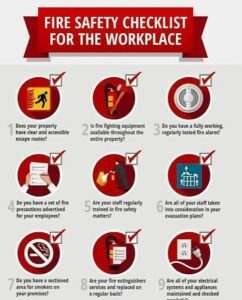
## 11. A Practical School Fire Safety Checklist
School management can use the following checklist as a starting point for regular reviews:
– Appropriate fire detection and alarm equipment is installed where required.
– Alarms and detectors are maintained and tested according to the applicable schedule.
– Exit routes and staircases are clear.
– Emergency signs and lighting are maintained where required.
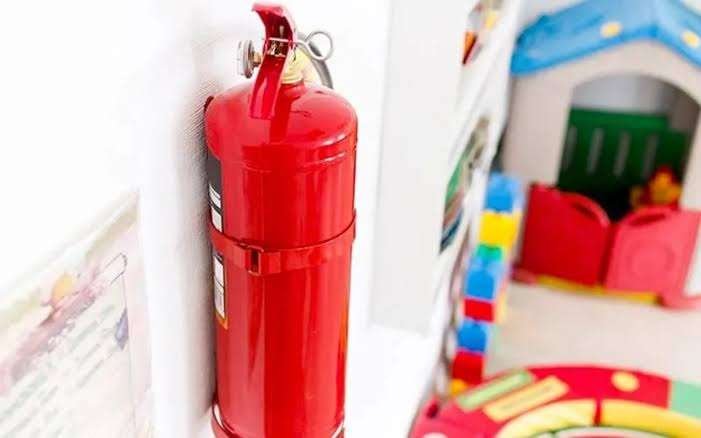
– Fire safety equipment is inspected and serviced as recommended.
– An evacuation plan is documented and communicated.
– Assembly points are identified.
– Students and staff practise evacuation procedures.
– Staff responsibilities are clearly assigned.
– Students requiring additional assistance have appropriate arrangements.
– Emergency contact information is current.
– Inspection, testing, and maintenance records are available.
– Problems identified during drills are corrected and reviewed.
This checklist does not replace a formal inspection or professional risk assessment. It provides a practical way to identify issues that need attention.
## Conclusion
School fire safety is an essential investment in the protection and wellbeing of students, teachers, and other staff. Effective preparation combines fire prevention, early detection, reliable alarm equipment, clear evacuation routes, staff training, and regular drills.
A suitable alarm system can provide an important early warning, but its effectiveness depends on correct installation, ongoing maintenance, and a clear response plan. School management must also ensure that students understand how to respond and that every person can reach a safe place during an emergency.
For institutions exploring a **Fire alarm system in Pakistan**, the best approach is to assess the building’s actual needs, consult qualified professionals, and confirm applicable local requirements before selecting equipment.
Schools can explore relevant fire safety information and available solutions through [Fire Safety Trading](https://firesafetytrading.com.pk/). Above all, investing in preparation today can help create a safer learning environment for the school community.
## Frequently Asked Questions (FAQs)
### 1. Why is fire safety important in schools?
Fire safety helps protect students, teachers, visitors, and other staff from preventable hazards. Detection systems, clear exits, evacuation plans, and regular drills help schools identify risks and prepare for emergencies.
### 2. What type of fire alarm system is suitable for a school?
The appropriate system depends on the school’s size, layout, number of occupants, and applicable safety requirements. A qualified fire safety professional can assess whether the building needs conventional or addressable equipment, suitable detectors, manual call points, and audible or visual warning devices.
### 3. How often should schools c