Vehicle safety involves more than checking tyres, brakes, lights, and engine performance. Drivers should also consider fire prevention and emergency preparedness. Although vehicle fires are not an everyday occurrence for most motorists, electrical faults, mechanical problems, fuel-related issues, and road accidents can create serious risks.
In Pakistan, cars are used for daily commuting, family journeys, business travel, and long-distance trips. High temperatures, heavy traffic, extended journeys, and poorly maintained vehicles can make regular maintenance especially important. Understanding what to check before buying vehicle fire safety equipment can help drivers make informed decisions.
Car fire safety includes selecting suitable equipment, checking its condition, maintaining the vehicle, and understanding how to respond if smoke or fire appears. A portable fire extinguisher may be an important part of a vehicle safety kit, but it does not guarantee that a fire can be controlled safely.
A fire alarm system in Pakistan is commonly discussed in the context of buildings and commercial premises. Vehicles have different requirements, so car owners should choose equipment designed for automotive use rather than assuming that a building’s fire protection arrangements are suitable for a car.
This guide explains ten important things to check before buying car fire safety equipment and preparing your vehicle for emergencies.
1. Understand Your Vehicle’s Fire Risks
Before purchasing any safety equipment, understand the risks associated with your vehicle.
Cars contain electrical wiring, batteries, fuel systems, engine components, and materials that may burn if a fire develops. Mechanical failures, electrical faults, and collisions are among the causes of vehicle fires identified by the U.S. Fire Administration. “Source: U.S. Fire Administration” (https://www.usfa.fema.gov/prevention/vehicle-fires/).
Different vehicles can have different safety considerations. A petrol car, diesel vehicle, hybrid, and electric vehicle do not have identical power systems or fire risks. Vehicles converted to run on alternative fuels may also require additional attention to their installation and maintenance.
Before choosing equipment, consider:
– The vehicle type and fuel system.
– The manufacturer’s safety recommendations.
– The available storage space.
– The number of passengers normally carried.
– The type of journeys you take.
– Any additional risks associated with modifications.
– The relevant vehicle safety requirements in your area.
A qualified mechanic can help identify maintenance issues that may increase fire risk. Vehicle-specific guidance is particularly important if the car has been modified or fitted with an alternative fuel system.
Understanding the risks first helps you select equipment that is appropriate for your vehicle rather than buying a product based only on its size or price.
2. Choose a Suitable Vehicle Fire Extinguisher
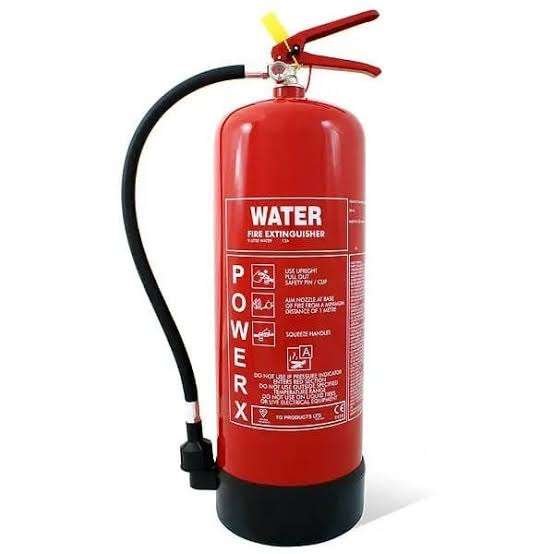
A portable fire extinguisher is one item drivers may consider for their vehicle safety kit. However, not every extinguisher is suitable for every fire or vehicle.
Extinguishers use different agents designed for different classes of fire. Some are intended for ordinary combustible materials, while others are suitable for certain flammable-liquid or electrical-related fire risks. The correct selection depends on the potential hazards and the product’s approved rating.
Before buying an extinguisher, check:
– Whether it is suitable for the vehicle’s potential fire risks.
– Whether the product is approved or certified under the relevant requirements.
– Whether its instructions and rating are clearly marked.
– Whether the manufacturer provides maintenance guidance.
– Whether it can be stored securely and accessed without obstructing occupants.
– Whether a qualified supplier can explain its intended use and limitations.
Do not assume that the largest extinguisher is automatically the best option. The equipment should be suitable for the vehicle and practical to store safely.
The National Highways and Motorway Police (NHMP) has issued fire safety guidance encouraging vehicle owners to carry functional, serviceable extinguishers. Its published notices also highlight the importance of checking equipment condition and expiry information. Drivers should confirm the latest requirements applicable to their vehicle category and route. “Source: National Highways and Motorway Police” (https://www.nhmp.gov.pk/Press_Releases).
An extinguisher is an additional safety measure, not a substitute for vehicle maintenance or safe evacuation.
3. Check the Extinguisher’s Condition and Expiry Information
A fire extinguisher may look fine externally but still require servicing or replacement. Checking its condition before purchase is therefore essential.
Look for a clear manufacturer label, readable instructions, and information about the product’s rating and servicing requirements. The supplier should be able to explain how the equipment is maintained and how to determine when professional servicing is needed.
Depending on the model, relevant checks may include:
– The body and handle are not visibly damaged.
– The safety seal and pin are intact.
– The pressure indicator, if fitted, shows the appropriate range.
– The label is readable.
– The product has not exceeded its stated service or expiry limits.
– The supplier provides appropriate warranty and maintenance information.
A pressure gauge alone does not prove that an extinguisher is fully functional. Follow the manufacturer’s inspection instructions and arrange professional servicing when required.
Avoid buying products with missing labels, unclear origin, damaged components, or no reliable maintenance information.
After purchasing an extinguisher, keep a record of the purchase and servicing dates. Check it at the intervals recommended by the manufacturer and applicable requirements.
These precautions help ensure that the equipment remains suitable for its intended purpose.
4. Consider Size, Weight, and Storage Location
Vehicle safety equipment must be accessible without creating additional hazards.
An extinguisher that is too large or awkward to secure may move around during sudden braking or a collision. On the other hand, equipment stored beneath heavy luggage may be difficult to access when needed.
Before purchasing, consider the available space in the vehicle and the manufacturer’s recommendations for installation.
A suitable arrangement should:
– Keep the equipment securely restrained.
– Prevent it from moving around during normal driving.
– Avoid obstructing the driver’s controls or visibility.
– Keep passenger seats and seat belts usable.
– Avoid blocking doors or emergency exits.
– Protect the equipment from conditions outside its permitted storage range.
– Allow the equipment to be accessed without unsafe movement of heavy objects.
Follow the vehicle manufacturer’s instructions and the extinguisher manufacturer’s storage guidance. If a mounting bracket is required, use an appropriate, professionally installed solution.
Do not place safety equipment where it could become a projectile during a crash or interfere with airbags and other safety features.
Before buying, ask the supplier about the product’s dimensions, weight, mounting requirements, and permitted storage conditions.
A well-chosen location can make safety equipment easier to access while keeping the passenger compartment organised.
5. Check the Quality of the Supplier and Product
The supplier matters because vehicle fire safety equipment needs to be reliable, correctly labelled, and supported by appropriate instructions.
Products with unclear specifications or questionable quality can make it difficult for buyers to determine whether the equipment is suitable for their needs.
When evaluating a supplier, ask about:
– Product specifications and intended applications.
– Applicable certifications or approvals.
– Manufacturer information and traceability.
– Warranty conditions.
– Inspection and servicing support.
– Replacement and maintenance arrangements.
– Clear instructions for safe storage and use.
Be cautious about unsupported claims such as “works on every fire” or “never needs maintenance.” No single product is suitable for every fire scenario, and safety equipment generally requires inspection and care.
Compare products according to their ratings, suitability, condition, and support arrangements rather than price alone.
If the equipment is intended for a commercial vehicle, company fleet, or public transport service, confirm whether additional requirements apply. Commercial operators may have responsibilities that differ from those of private car owners.
Choosing a reputable supplier makes it easier to obtain appropriate equipment and understand how to maintain it.
6. Inspect the Vehicle’s Electrical and Mechanical Systems
Buying fire safety equipment should not distract from the importance of preventing vehicle fires in the first place.
Electrical and mechanical faults can create dangerous conditions. Damaged wiring, unsuitable modifications, poorly maintained components, and leaking fluids should be assessed by qualified professionals.
Before a long journey, and as part of routine maintenance, pay attention to warning signs such as unusual burning smells, visible smoke, recurring electrical problems, or unexplained changes in vehicle performance.
A professional vehicle inspection may cover:
– Electrical wiring and battery condition.
– Fuel system components and connections.
– Engine and cooling system condition.
– Signs of fluid leakage.
– Recent repairs or modifications.
– The condition of relevant hoses and components.
– Manufacturer-recommended maintenance items.
Do not attempt repairs beyond your training, and do not ignore repeated warning signs because the vehicle has a fire extinguisher.
If you notice smoke, a strong burning smell, or another serious warning while driving, pull over when it is safe to do so, stop the engine, get everyone out, and move away from the vehicle. Contact the appropriate emergency service. Never return to a burning vehicle.
The U.S. Fire Administration recommends regular servicing by a trained mechanic as one measure for preventing vehicle fires. “Source: U.S. Fire Administration” (https://www.usfa.fema.gov/prevention/vehicle-fires/).
Prevention and maintenance should remain the foundation of your vehicle safety plan.
7. Consider Special Requirements for Modified and Alternative-Fuel Vehicles
Some vehicles have additional systems that need specific attention. These may include hybrid power systems, high-voltage electric vehicle batteries, or alternative-fuel installations.
The equipment suitable for one vehicle may not be appropriate for another. For example, incidents involving high-voltage batteries can require specialised emergency response, and ordinary vehicle fire guidance may not cover every risk.
If your vehicle has been converted to use an alternative fuel, ensure that the installation complies with the applicable requirements and is maintained by qualified professionals.
Before purchasing fire safety equipment, consider:
– The vehicle manufacturer’s emergency guidance.
– Any additional instructions for the fuel or power system.
– Whether the vehicle has been modified.
– The safety requirements applicable to the installation.
– Whether emergency responders may need specific information about the vehicle.
Do not rely on a general-purpose extinguisher to make an unsafe or defective fuel system acceptable.
Owners of hybrid and electric vehicles should follow the manufacturer’s advice on damage, charging faults, and emergency response. If a serious fault or fire is suspected, keep away and contact emergency services.
Specialised vehicles may require specialist assessment. Asking the right questions before buying equipment can help avoid choosing a product that does not match the vehicle’s actual risks.
8. Understand What to Do During a Vehicle Fire
Purchasing equipment is useful only when you also understand its limitations and know when to leave the vehicle.
A vehicle fire can develop rapidly, and smoke may contain harmful substances from burning plastics, fluids, and other materials. Attempting to handle a fire without appropriate training can expose occupants to serious danger.
If you suspect a vehicle fire:
1. Pull over as soon as it is safe to do so.
2. Stop the engine and switch off the vehicle.
3. Get everyone out of the vehicle.
4. Move well away from the vehicle and traffic.
5. Call the local emergency service and explain the location and situation.
6. Do not return to collect belongings or attempt to restart the vehicle.
Do not open the bonnet or boot if you suspect a fire underneath or inside, as introducing additional air may worsen the fire. Do not stand near smoke or fumes.
Although a portable extinguisher may be present, it should never be a reason to delay evacuation. Only appropriately trained people should consider any intervention when conditions are demonstrably safe and an escape route remains available. For most drivers, getting everyone away and contacting emergency responders is the priority.
The U.S. Fire Administration specifically advises occupants to evacuate, stay away from the burning vehicle, and avoid trying to fight the fire themselves. “Source: U.S. Fire Administration” (https://www.usfa.fema.gov/prevention/vehicle-fires/).
Knowing when not to use equipment is an important part of responsible vehicle fire safety.
9. Check the Applicable Requirements in Pakistan
Vehicle safety requirements can depend on the vehicle category, intended use, location, and the rules currently in force.
Private cars, commercial vehicles, passenger transport vehicles, and goods vehicles may be subject to different requirements. Before purchasing equipment, check the latest information from the relevant authorities rather than relying only on advice from sellers or social media.
In Pakistan, the National Highways and Motorway Police has published notices concerning the carriage of functional fire extinguishers in vehicles travelling on national highways and motorways. Its announcements have addressed public service vehicles and other vehicle categories, so motorists should check the latest official notice for the rules that apply to their own vehicle. “Source: NHMP Press Releases” (https://www.nhmp.gov.pk/Press_Releases).
For a vehicle used by a business or transport operator, it may also be necessary to consider fleet policies, passenger safety obligations, and other applicable requirements.
Before a long trip, verify that the vehicle’s safety equipment is present, suitable, and serviceable.
Do not assume that the same legal requirements apply to every vehicle in every province or operating category. Confirm the details with the competent authority.
Checking the rules before buying helps you choose equipment that meets the relevant requirements rather than discovering a problem during an inspection.
10. Build a Complete Vehicle Emergency Kit
Fire safety should form part of a broader vehicle preparedness plan.
A vehicle emergency kit may include a suitable fire extinguisher where required or appropriate, a first-aid kit, a warning triangle where permitted and safe to use, a torch, a charged phone, and relevant roadside assistance information.
The exact contents depend on the vehicle, journey, and applicable requirements. Avoid carrying items that create additional hazards or cannot be stored safely.
Before travelling, consider the following checklist:
– Confirm that the vehicle is serviced and roadworthy.
– Check that required safety equipment is present.
– Inspect the extinguisher according to its instructions.
– Ensure equipment is secured properly.
– Keep essential emergency contact information available.
– Check tyres and other basic vehicle safety items.
– Plan the route and consider roadside assistance arrangements.
– Ensure passengers know how to exit the vehicle safely.
Do not allow emergency equipment to obstruct the driver, passengers, or vehicle controls.
For longer journeys, a pre-trip inspection is particularly useful. If a warning light appears or the vehicle develops a serious fault, arrange professional assistance instead of continuing to drive when it may be unsafe.
A complete emergency kit supports preparedness, but regular vehicle maintenance and safe driving remain essential.
How a Fire Alarm System in Pakistan Relates to Vehicle Safety
The phrase fire alarm system in Pakistan is generally associated with fire detection and warning arrangements in homes, offices, factories, shops, and other buildings. Vehicle fire safety is a related but distinct area.
Cars typically rely on vehicle-specific safety features, maintenance, appropriate portable equipment, and clear emergency procedures. A building-style alarm system should not be assumed suitable for a car without an appropriate assessment.
When choosing fire safety products, consider the environment in which they will be used. Equipment for a vehicle should be suitable for automotive storage conditions and the potential hazards associated with that vehicle.
Businesses that operate workshops, parking facilities, transport terminals, or fleet depots may need building fire protection as well as vehicle-level precautions. The appropriate arrangement depends on the premises, activities, and applicable regulations.
A qualified fire safety professional can help distinguish between vehicle equipment and fixed fire protection systems.
Conclusion
Choosing car fire safety equipment requires more than buying the first extinguisher available. Drivers should understand their vehicle’s risks, select suitable equipment, check its condition and maintenance requirements, and ensure that it can be stored securely.
Regular vehicle servicing is equally important because electrical, mechanical, and fuel-system faults can contribute to vehicle fires. Owners of modified, hybrid, electric, or alternative-fuel vehicles should follow the relevant manufacturer’s guidance and seek qualified advice where needed.
In Pakistan, motorists should also confirm the current fire safety equipment requirements that apply to their vehicle category and travel plans.
Most importantly, remember that personal safety comes first during a vehicle fire. Evacuate, move away from danger, and contact emergency services rather than risking injury to protect the vehicle.
A thoughtful approach to prevention, equipment selection, maintenance, and emergency planning can help drivers make better-informed decisions about vehicle fire safety.
Frequently Asked Questions (FAQs)
1. What should I check before buying a car fire extinguisher?
Check that the extinguisher is suitable for the vehicle’s potential fire risks, has clear product and rating information, meets applicable requirements, and comes with instructions and maintenance guidance. Also consider its size, storage requirements, mounting arrangement, and servicing support.
2. Is a fire extinguisher required in cars in Pakistan?
Requirements depend on the vehicle category and the rules currently in force. The National Highways and Motorway Police has issued official notices about fire extinguishers in vehicles using national highways and motorways. Check the latest notice or contact the relevant authority to confirm what applies to your vehicle.
3. How often should a car fire extinguisher be checked?
Follow the manufacturer’s inspection and servicing instructions and any applicable requirements. Check the label, visible condition, pressure indicator where fitted, and service or expiry information as directed. A