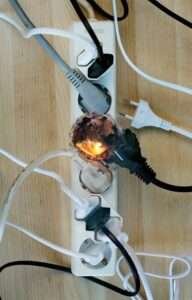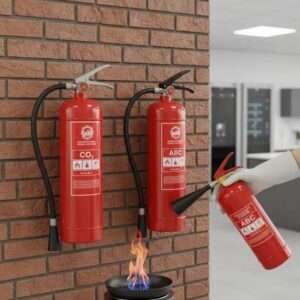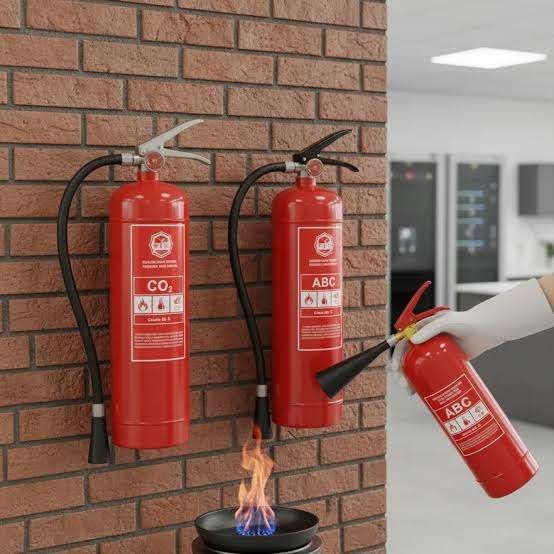
Fire safety is an essential part of protecting people, homes, workplaces, and public buildings. Fires can start because of cooking accidents, electrical faults, heating equipment, or the unsafe storage of combustible materials. Although prevention is always the first priority, having appropriate fire protection equipment can help reduce risks and improve emergency preparedness.
Fire extinguishers are among the most familiar pieces of firefighting equipment. However, not all extinguishers are designed for the same type of fire. Using an unsuitable extinguisher can make a dangerous situation worse, which is why understanding the different types is important.
In Pakistan, fire safety needs vary across houses, apartment buildings, offices, factories, schools, hospitals, and shopping centres. Each environment may contain different fire hazards and require specific protection measures. A suitable extinguisher, a reliable fire alarm system in Pakistan, and a clear evacuation plan can all contribute to a safer environment.
This guide explains the main types of fire extinguishers, the hazards they are designed for, how to select appropriate equipment, and why inspection and maintenance are important. It also explores how extinguishers fit into a broader fire safety strategy.
What Is a Fire Extinguisher?
A fire extinguisher is a portable device containing an agent designed to control or extinguish certain types of fires. Depending on the model, the agent may be water, foam, dry chemical powder, carbon dioxide, or a specialised chemical solution.
Different agents work in different ways. Some cool burning materials, while others help separate fuel from oxygen or interrupt the chemical reaction that sustains a fire.
The most important point is that an extinguisher must match the fire hazard. A product suitable for burning paper may be unsuitable for burning cooking oil or energised electrical equipment.
Fire extinguishers are intended for situations in which the equipment is appropriate and the fire is still small and manageable. They should never be treated as a substitute for evacuation, alarms, or professional emergency assistance.
Understanding the Main Classes of Fire
Before exploring extinguisher types, it helps to understand the materials that may burn. Fire classifications vary somewhat between standards and countries, so the markings on the actual extinguisher and the applicable local guidance should always take priority.
Class A: Ordinary Combustible Materials
These fires involve common solid materials such as paper, wood, cardboard, cloth, and certain plastics. They may occur in homes, offices, schools, and storage areas.
Class B: Flammable Liquids
These fires involve flammable liquids, including certain fuels, solvents, and paints. The appropriate extinguisher depends on the liquid and the product’s approved rating.
Class C: Flammable Gases in Some Classification Systems
In some systems, Class C refers to fires involving flammable gases. Other standards use different classifications, including Class C for electrical fires. This difference makes it essential to read the product label rather than rely on the letter alone.
Electrical Equipment Fires
Fires involving energised electrical equipment require equipment specifically rated for the relevant hazard. Some standards classify these separately, while others include them under a lettered class.
Cooking Oil and Fat Fires
Hot cooking oils and fats can create particularly dangerous fires. Water must never be poured onto burning cooking oil because it can cause burning oil to spread violently.
Specialist wet chemical extinguishers are designed for certain cooking oil and fat fires.
Class D: Combustible Metals
These fires involve particular combustible metals, which may be present in specialised industrial environments. They require dedicated extinguishing agents selected for the specific metal involved.
Because classifications can differ, always follow the extinguisher’s printed instructions and obtain qualified advice when selecting equipment.
1. Water Fire Extinguishers
<text>Primary application: Certain fires involving ordinary combustible solids.</text>
Water extinguishers are designed mainly for fires involving materials such as paper, wood, and cloth. Water removes heat from burning materials, helping lower their temperature.
Common Applications
Water extinguishers may be suitable for certain risks in offices, schools, warehouses, and other locations where ordinary combustible materials are present.
Their suitability depends on the surrounding hazards and the exact product rating.
Important Limitations
Water extinguishers must not be used on energised electrical equipment or fires involving flammable liquids and cooking oils unless a specialised product is specifically approved for the relevant hazard.
Water can conduct electricity under dangerous conditions and may spread burning liquid. Choosing the wrong agent can increase the danger rather than control it.
What to Consider
Before selecting a water extinguisher, assess the materials present in the area and check the product’s approved fire classification. A qualified fire safety professional can help determine whether it is suitable for a particular building.
2. Foam Fire Extinguishers
<text>Primary application: Certain ordinary combustible and flammable-liquid fires.</text>
Foam extinguishers are designed to control particular fires involving solid combustible materials and flammable liquids. Depending on the formulation, foam can help cool the burning material and create a barrier that limits contact between the fuel and air.
Common Applications
Foam extinguishers may be appropriate in selected commercial, industrial, storage, and workshop environments where their approved fire ratings match the risks present.
They are not automatically suitable for every workplace or household.
Important Limitations
Many foam extinguishers are not suitable for energised electrical equipment. Some products may have specialised ratings, so the label must be checked carefully.
Foam should also not be assumed to be appropriate for burning cooking oils and fats. Dedicated equipment is generally needed for these hazards.
What to Consider
Review the extinguisher’s rating, operating environment, and maintenance requirements. Where electrical equipment or different types of combustible materials are present together, seek professional advice before choosing equipment.
3. Dry Chemical Powder Fire Extinguishers
<text>Primary application: Varies by powder formulation and product rating.</text>
Dry chemical powder extinguishers are commonly used in many commercial and industrial environments because certain models can address several types of fire. The powder can interrupt the chemical reaction that sustains combustion.
However, not every powder extinguisher is suitable for every fire class.
Common Applications
Some multipurpose powder extinguishers are rated for ordinary combustibles, flammable liquids, and certain gas fires. Certain products are also approved for specific electrical hazards.
Specialist powders are available for certain combustible metals. These are different from general-purpose powder extinguishers and must not be treated as interchangeable.
Advantages
Depending on the model, powder extinguishers may offer broad coverage across several common fire hazards. This can make them useful in selected locations where different risks are present.
Important Limitations
Powder can leave residue that is difficult to clean and may damage sensitive electronic equipment. Its discharge can also reduce visibility, which is an additional concern in enclosed areas.
What to Consider
Read the label to confirm the approved fire classes and understand the effects of powder residue. A multipurpose rating does not mean that an extinguisher is suitable for every possible fire.
4. Carbon Dioxide (CO₂) Fire Extinguishers
<text>Primary application: Certain flammable-liquid and electrical-equipment fires.</text>
Carbon dioxide extinguishers release CO₂ gas, which helps suppress a fire by reducing the availability of oxygen around the burning material. They are commonly selected for certain electrical and flammable-liquid hazards.
Common Applications
CO₂ extinguishers may be suitable for selected areas containing electrical panels, office equipment, or other electrical installations, provided the product rating matches the risk.
They are also used in some commercial and industrial settings.
Advantages
CO₂ extinguishers generally do not leave the powder or foam residue associated with other agents. This can be useful around certain types of equipment.
Important Limitations
Carbon dioxide extinguishers may be less effective on deep-seated fires involving ordinary combustible materials. The gas can disperse quickly, especially in open or poorly enclosed areas.
CO₂ can also create a dangerous atmosphere in confined spaces. The discharge equipment may become extremely cold, so it should not be handled carelessly.
What to Consider
Check the product’s approved applications and obtain professional advice about its suitability. A CO₂ extinguisher should not be assumed to be the best choice simply because a room contains computers or electrical appliances.
5. Wet Chemical Fire Extinguishers
<text>Primary application: Certain fires involving cooking oils and fats.</text>
Wet chemical extinguishers are designed for cooking-related fire hazards, particularly those involving hot oils and fats. The agent helps cool the burning material and can form a layer over the surface that reduces the risk of re-ignition.
Common Applications
These extinguishers are especially relevant to commercial kitchens, restaurants, food preparation facilities, and other environments with equipment that creates cooking-oil hazards.
Their suitability for a domestic kitchen depends on the cooking equipment, the likely fire risks, and the product rating.
Important Limitations
Wet chemical extinguishers are not universal firefighting devices. They must be used only for the hazards specified on their labels.
Never pour water onto burning cooking oil. If a kitchen fire cannot be safely controlled immediately, alert others, evacuate, and contact emergency services.
What to Consider
Assess the cooking equipment and the type of oils or fats involved. A qualified fire safety professional can help determine whether a wet chemical extinguisher is appropriate for the location.
6. Specialised Fire Extinguishers
Some environments contain hazards that require specialised extinguishing agents.
Class D Metal Fire Extinguishers
Certain combustible metals can react dangerously with unsuitable extinguishing agents. Dedicated Class D equipment is designed for particular metal fires, and the correct agent depends on the material involved.
These extinguishers are generally relevant to specialised industrial or laboratory settings rather than ordinary household use.
Clean Agent Extinguishers
Clean agent extinguishers use agents intended to minimise residue. Depending on the product, they may be suitable for certain electrical or sensitive equipment environments.
Their use depends on the agent, its approved ratings, environmental considerations, and the hazards present.
Water Mist Extinguishers
Water mist models discharge finely divided water droplets. Their approved applications depend on the specific design and certification.
Not every water mist extinguisher is suitable for electrical or liquid fires. Always follow the product’s stated ratings instead of assuming that all mist-based products offer the same protection.
Comparing the Main Types of Fire Extinguishers
The following table provides a general overview. It is not a substitute for checking the rating and instructions of a specific product.
Extinguisher type| Typical applications| Important limitations
Water| Certain ordinary combustible solids| Not for energised electrical equipment or flammable liquids
Foam| Certain solid and flammable-liquid fires| Many models are unsuitable for electrical hazards
Dry chemical powder| Several fire classes, depending on formulation| Residue may damage equipment and reduce visibility
Carbon dioxide| Certain electrical and flammable-liquid fires| Less effective on deep-seated solid fires; confined-space concerns
Wet chemical| Certain cooking oil and fat fires| Limited to the hazards specified by the product
Class D specialist powder| Certain combustible-metal fires| Must match the particular metal
Clean agent| Selected sensitive-equipment environments| Suitability depends on the agent and product rating
The correct extinguisher should be selected based on the hazards, not solely on its price, colour, size, or popularity.
How to Choose the Right Fire Extinguisher
Choosing an extinguisher involves more than selecting a familiar type. Property owners and safety managers should consider the environment, fire risks, occupants, and applicable requirements.
1. Identify the Hazards
Start by identifying the materials and activities present in the area. A kitchen has different risks from an office, electrical room, workshop, or warehouse.
A professional assessment can help determine which fire classifications are relevant.
2. Check the Product Rating
Read the label and confirm the fire classes for which the extinguisher is approved. Do not rely on colour coding alone, as colours and classification conventions can differ.
3. Consider the Location
The environment affects equipment selection. Sensitive electronics, confined spaces, cooking equipment, and industrial materials can each require special consideration.
4. Purchase From a Reliable Supplier
Look for clear product labelling, manufacturer details, operating instructions, and traceable service information. Ask about installation, inspection, maintenance, and replacement requirements.
5. Arrange Professional Guidance
Buildings with mixed hazards or specialised equipment may require a formal fire risk assessment. Qualified professionals can recommend appropriate equipment and placement in accordance with applicable standards.
The Role of Fire Alarm Systems in Fire Protection
Fire extinguishers are only one component of a complete fire safety plan. An extinguisher cannot help occupants respond if they do not know that a fire has started or if the situation is already unsafe.
A fire alarm system in Pakistan can provide early warning in homes, offices, schools, hospitals, factories, and residential buildings, depending on the property’s needs and applicable requirements.
Smoke and Heat Detection
Smoke detectors can identify smoke and provide a warning, while heat detectors respond to specified temperature conditions. The correct device depends on the environment and the system design.
Alarm Notification
A fire alarm system may use audible alarms, visual indicators, manual call points, and a control panel. In larger buildings, these components can form part of a coordinated detection and notification arrangement.
Installation and Maintenance
Fire alarm systems should be designed and installed by qualified professionals where required. Regular inspection and maintenance help identify faults and keep the system operating as intended.
Residents and staff should know what to do when an alarm sounds. The priority is to follow the evacuation plan and reach a safe location, not to investigate the cause of the alarm.
Alarms and Extinguishers Work Together
An alarm warns people of a possible fire. An extinguisher may help control a suitable small fire when conditions allow. An evacuation plan guides occupants away from danger.
These measures perform different functions and should be considered together rather than as alternatives.
Fire Extinguisher Safety and Maintenance
A fire extinguisher must be in suitable condition before it can be relied upon. Maintenance requirements vary by model, manufacturer, and applicable standards.
Keep Equipment Accessible
Extinguishers should be placed in designated locations where responsible adults can access them without obstruction. Their placement should not encourage people to move towards a fire or block an escape route.
Arrange Regular Inspections
Follow the manufacturer’s instructions and applicable inspection schedule. Visual checks can help identify obvious damage, missing labels, or other issues that require attention.
Where a model has a pressure indicator, check it according to the manufacturer’s guidance. Do not dismantle or attempt to repair pressurised equipment yourself.
Use Qualified Service Providers
Professional servicing may be required to check, recharge, repair, or replace equipment. An extinguisher that has been discharged should be serviced or replaced appropriately before it is relied upon again.
Keep Records
Building managers and organisations should maintain records of inspections, servicing, and identified faults. These records help track maintenance and support a consistent fire safety programme.
Fire Safety Considerations in Pakistan
Pakistan’s Building Code of Pakistan—Fire Safety Provisions 2016 provides a national reference for fire prevention, life safety, and fire protection in buildings and structures.
The specific requirements applicable to a property depend on its location, use, design, and the relevant authorities. Building owners and managers should confirm the applicable rules rather than assume that the same arrangements suit every building.
Practical steps include identifying fire hazards, selecting suitable extinguishers, maintaining detection and alarm systems, keeping escape routes clear, and preparing a documented emergency plan.
In commercial and industrial environments, safety managers should also consider staff training, specialist hazards, equipment maintenance, and coordination with emergency responders.
For homes, families can improve preparedness by maintaining suitable smoke alarms, understanding evacuation routes, and ensuring that adults know the limits of any firefighting equipment.
Common Fire Extinguisher Mistakes to Avoid
Several common mistakes can undermine fire safety.
Choosing equipment without checking its rating: Different agents are designed for different hazards.
Assuming one extinguisher handles every fire: No single standard extinguisher is suitable for all fire types.
Ignoring maintenance: Damaged or poorly maintained equipment may not work when required.
Blocking access: An extinguisher that cannot be reached safely offers limited practical value.
Relying on equipment instead of evacuation: Extinguishers are not intended for uncontrolled fires or situations where a person’s escape could be compromised.
Ignoring alarms: An unexpected alarm should be treated seriously, even when smoke or flames are not immediately visible.
If a fire is spreading, smoke is present, or the correct response is uncertain, leave the area, alert others when safe, and contact emergency services.
Conclusion
Understanding the types of fire extinguishers is an important part of effective fire preparedness. Water, foam, dry chemical powder, carbon dioxide, wet chemical, and specialised extinguishers each serve different purposes. Their suitability depends on the fire hazard, the product’s rating, and the environment in which the equipment will be used.
Choosing the correct extinguisher is only one part of the process. Equipment must be accessible, maintained, and supported by clear emergency procedures. A reliable fire alarm system in Pakistan can provide an important warning, while evacuation plans help occupants respond safely.
For homes and workplaces, the best approach combines pr