Fire safety is an essential responsibility for every building owner, business manager, school administrator, factory supervisor, and homeowner. A small hazard that goes unnoticed can become a serious emergency if appropriate precautions are not taken. Damaged electrical equipment, blocked emergency exits, poorly stored combustible materials, and neglected fire protection equipment can all increase the risks associated with a fire.
One simple way to organise fire prevention activities is to use a fire safety checklist. A checklist helps people review important safety measures, identify potential problems, assign responsibilities, and record corrective actions. However, simply ticking boxes does not make a building safe. The checklist must be accurate, used regularly, and followed by practical action.
For properties in Pakistan, fire safety checklists can support the review of alarms, extinguishers, emergency exits, evacuation procedures, and other protective measures. A suitable fire alarm system in Pakistan may form part of a building’s fire protection arrangements, but it must be supported by inspection, maintenance, training, and a clear emergency plan.
This guide explains how to use fire safety checklists correctly, what they should include, which mistakes to avoid, and how organisations can make fire safety a regular part of daily operations.
1. What Is a Fire Safety Checklist?
A fire safety checklist is a structured list of items that need to be reviewed to help identify fire hazards and assess whether important safety arrangements are in place.
It can be used in residential properties, offices, schools, hospitals, warehouses, shopping centres, factories, restaurants, and construction sites. The specific checklist will depend on the building’s purpose, layout, occupants, equipment, and potential hazards.
A basic checklist may cover:
– Fire hazards and combustible materials.
– Electrical safety concerns.
– Fire detection and alarm equipment.
– Fire extinguishers and other firefighting equipment.
– Emergency exits and escape routes.
– Exit signs and emergency lighting.
– Evacuation plans and assembly points.
– Staff training and fire drills.
– Inspection and maintenance records.
A checklist is a tool for organising safety checks, not a replacement for a professional fire risk assessment or any inspection required by the relevant authority.
Its main purpose is to make important tasks easier to remember, record problems consistently, and ensure that identified issues receive appropriate attention.
2. Why Are Fire Safety Checklists Important?
Fire safety involves many different responsibilities. Without a structured process, building managers may forget routine inspections or fail to follow up on hazards that were reported earlier.
A well-designed checklist helps bring these responsibilities together.
Identifying hazards early
Regular checks can help reveal issues such as damaged electrical equipment, combustible waste near equipment, blocked corridors, or missing safety signs. Identifying concerns early gives the responsible people an opportunity to arrange appropriate corrective action.
Supporting consistent inspections
When several people are responsible for safety, a checklist helps them follow a consistent process. It also makes it easier to compare inspection results over time.
Improving accountability
A checklist can identify who carried out an inspection, when it took place, what problems were found, and who is responsible for resolving them.
Supporting emergency preparedness
Reviewing alarms, exits, emergency lighting, and evacuation arrangements helps organisations identify weaknesses that could affect occupants during an emergency.
Maintaining useful records
Inspection records can help demonstrate that safety activities are being managed. They can also help identify recurring problems that require a longer-term solution.
The Building Code of Pakistan, Fire Safety Provisions 2016, addresses fire protection, inspection, testing, maintenance, and the responsibilities of building owners and occupants. The specific requirements that apply should be confirmed with the relevant authority. citeturn683297search12turn683297search15
3. Start with the Building’s Actual Risks
A common mistake is using the same checklist for every property. A small office and a large factory do not necessarily have the same hazards, occupants, or fire protection requirements.
Before preparing a checklist, consider how the building is used and which activities take place inside it.
For example:
– Homes: Cooking equipment, electrical appliances, heating equipment, and household storage may require attention.
– Offices: Electrical equipment, storage rooms, escape routes, and staff awareness may be important.
– Schools: Evacuation arrangements should account for children, visitors, and people who may need assistance.
– Factories: Machinery, production processes, combustible materials, and work-specific hazards may require specialist assessment.
– Warehouses: Storage arrangements, access routes, and the nature of stored products should be reviewed.
– Restaurants: Cooking operations, electrical equipment, combustible materials, and emergency access deserve particular attention.
The checklist should reflect these differences rather than contain generic items that may not apply.
For complex buildings or activities involving significant hazards, a qualified fire safety professional should help determine the appropriate inspection scope.
4. Check Fire Detection and Alarm Systems
Fire detection and alarm arrangements are important parts of many building fire safety plans. Their purpose is to provide a warning when the system detects a condition covered by its design, allowing occupants to follow the emergency procedure.
A checklist should identify the equipment that needs to be inspected and the person responsible for each task.
Depending on the system and applicable requirements, checks may include:
– Whether the control panel indicates a fault or abnormal condition.
– Whether visible equipment appears damaged.
– Whether required testing and maintenance have been completed.
– Whether inspection and service records are available.
– Whether reported faults have been addressed.
– Whether occupants know what to do when the alarm sounds.
Testing should follow the manufacturer’s instructions, the approved system procedures, and applicable standards. Where specialist knowledge is required, testing and repairs should be carried out by qualified personnel.
A fire alarm system in Pakistan should be selected according to the building’s use, design, risk profile, and relevant requirements. Simply installing an alarm is not enough if it is unsuitable, poorly maintained, or not integrated with the building’s emergency arrangements.
Checklist users should record the results of required tests and report any faults promptly. They should never assume that a system is functioning correctly merely because the control panel appears normal.
5. Inspect Fire Extinguishers and Other Equipment
Fire protection equipment needs appropriate inspection and maintenance to remain available when required. A checklist can help confirm that equipment is present, accessible, and receiving the required attention.
Depending on the building’s fire protection plan, the checklist may cover portable extinguishers, fire blankets, hose reels, hydrants, sprinkler systems, and other installed equipment.
Items to review may include:
– Whether the equipment is located in its designated position.
– Whether access is clear.
– Whether visible damage or other defects are present.
– Whether labels and instructions remain readable.
– Whether required inspections and servicing are recorded.
– Whether reported defects have been referred to the responsible professional.
Different types of equipment require different maintenance procedures. A simple visual check does not replace specialist servicing or testing.
The Building Code of Pakistan Fire Safety Provisions 2016 includes provisions for fire extinguisher inspections, recordkeeping, and maintenance. The inspection process should follow the requirements applicable to the equipment and premises. citeturn683297search13
If equipment is missing, damaged, or appears unsuitable, record the issue and arrange assessment by a competent person. Do not assume that any extinguisher can be used for every type of fire.
6. Make Emergency Exits a Priority
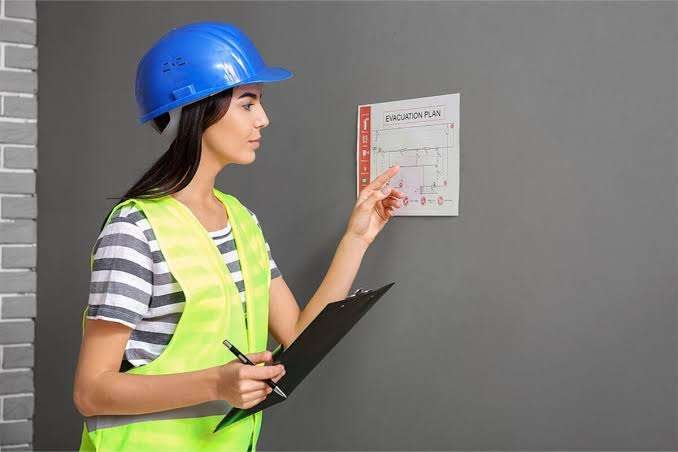
An alarm can warn people about a fire, but occupants also need a clear route to safety. Emergency exits and escape routes should therefore be included in every relevant building checklist.
Blocked corridors, locked doors, stored materials, damaged signs, and inadequate lighting can interfere with evacuation.
During an inspection, review whether:
– Required exits and escape routes are clear.
– Exit doors can be used as intended.
– Signs are visible and understandable.
– Stairways and corridors are maintained.
– Emergency lighting is checked where required.
– Occupants know the evacuation routes.
– Alternative arrangements are available where required by the building’s design.
The appropriate number, location, and capacity of exits depend on the building and its applicable requirements. A checklist should not be used to approve an exit arrangement without a competent assessment.
If an exit is obstructed or appears unsafe, report it immediately and arrange corrective action. Do not wait until the next scheduled inspection to address a condition that could affect evacuation.
7. Review Electrical Safety and Storage Practices
Electrical hazards and combustible materials are common subjects for fire prevention checks. A checklist helps remind building users to identify concerns and report them before they become more serious.
Electrical safety
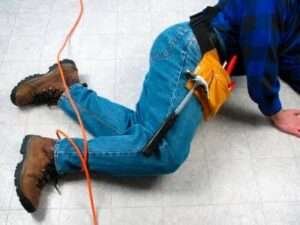
The inspection may look for visible damage to electrical equipment, unsafe temporary arrangements, signs of overheating, or repeated electrical faults.
Repairs and technical assessments should be handled by qualified electricians. Checklist users should not open electrical panels or attempt repairs unless they are authorised and properly trained.
Combustible materials
Paper, cardboard, packaging, timber, and other combustible materials can contribute to fire spread. Some paints, solvents, and cleaning products also have specific storage requirements.
A checklist can help confirm that materials are stored appropriately, waste is managed regularly, and escape routes are not used as storage areas.
Follow product labels and relevant safety instructions. Hazardous materials should be assessed and managed according to their specific requirements rather than treated as ordinary household items.
These checks should be adapted to the actual building and its activities.
8. Include Housekeeping and General Building Conditions
Good housekeeping is an important part of fire prevention. Poorly organised storage can increase the amount of combustible material in an area and obstruct access to exits or emergency equipment.
A fire safety checklist should include routine housekeeping concerns such as:
– Accumulated waste and unnecessary packaging.
– Materials stored near potential ignition sources.
– Obstructed access to emergency equipment.
– Unclear or inaccessible routes.
– Damaged safety signs.
– Changes in room use or storage arrangements.
Cleaning staff, maintenance teams, supervisors, and other building users may all contribute to maintaining safe conditions. However, responsibilities should be clearly assigned so that important tasks are not overlooked.
If a problem requires specialist work, the checklist should record who will arrange it and how completion will be verified.
9. Use Checklists to Improve Staff Training and Fire Drills
A checklist should review not only physical equipment but also people’s understanding of emergency procedures.
Workers and occupants need to know how to respond when a fire alarm sounds, where the evacuation routes lead, and where to assemble after leaving the building.
Depending on the building’s use, the checklist may ask whether:
– New staff have received relevant fire safety information.
– Workers know how to report a fire.
– Evacuation routes and assembly points have been explained.
– Appropriate fire drills have been conducted.
– Training records are maintained.
– Problems identified during drills have been addressed.
– Arrangements consider people who need assistance.
Drills should be planned and supervised appropriately. They should help people practise safe evacuation without creating unnecessary danger.
After a drill, record any confusion, blocked routes, communication difficulties, or other problems. Assign corrective actions and review whether the changes have improved the arrangements.
Training and drills should follow applicable requirements and reflect the risks of the premises.
10. Record Findings and Assign Corrective Actions
One of the most important steps in using a checklist is following up on the findings. A checklist has limited value if it records problems but does not lead to action.
Each identified issue should be documented clearly enough for the responsible person to understand what needs attention.
A useful record includes:
– The date of inspection.
– The area or equipment inspected.
– The issue identified.
– The action required.
– The person responsible for arranging the action.
– The target completion date, where appropriate.
– The date the correction was verified.
For example, if a corridor is blocked by stored materials, the record should identify the location and the need to clear it. The responsible person should then confirm that the route is usable.
If a fire alarm system reports a fault, the issue should be referred to an appropriately qualified technician. The record should remain open until the fault has been assessed and the required corrective work completed.
Urgent hazards require immediate attention. They should not be left until the next routine inspection or treated as minor administrative issues.
11. How Often Should Fire Safety Checklists Be Used?
There is no single inspection frequency suitable for every checklist item or every building. The appropriate schedule depends on the equipment, risks, applicable regulations, manufacturer’s instructions, and the building’s operational needs.
A practical approach may combine several types of checks:
Routine visual checks: These help identify obvious issues such as blocked exits, accumulated waste, or visible damage.
Scheduled inspections: These provide a more structured review of building safety arrangements and records.
Specialist testing and maintenance: Fire alarm systems, extinguishers, and other equipment may require specific testing or servicing by competent personnel.
Checks after changes: Renovations, new machinery, altered storage, changes in occupancy, or other significant modifications may require a review of the fire safety arrangements.
The checklist should state how frequently each task is required and who is responsible for completing it.
Do not use a convenient weekly or monthly schedule as a substitute for mandatory inspection intervals or manufacturer requirements.
12. Common Mistakes to Avoid
Even organisations that use checklists can make mistakes that reduce their effectiveness.
Treating every item as a tick-box exercise
A tick mark is not proof that a safety measure is effective. Inspectors should review the actual condition and record evidence where appropriate.
Using an unsuitable checklist
A checklist designed for a small office may not cover the risks of a factory, hospital, or warehouse. The document should reflect the building’s use.
Ignoring faults that appear minor
A damaged sign, obstructed exit, or unresolved equipment fault may affect safety. Concerns should be assessed according to their seriousness and addressed appropriately.
Failing to assign responsibility
When nobody is responsible for correcting a problem, it may remain unresolved. Every action should have a clear owner.
Forgetting to review previous findings
Repeated issues may indicate that the underlying problem has not been solved. Reviewing earlier records helps identify patterns.
Relying entirely on internal inspections
Some systems and building conditions require professional assessment. A checklist should identify when qualified help is necessary rather than encourage untrained people to carry out specialist work.
Avoiding these mistakes makes checklists more useful and helps establish a consistent approach to fire safety.
13. A Practical Fire Safety Checklist
The following list can serve as a starting point for a general building review. It should be adapted to the building’s risks and should not replace specialist inspections or legal requirements.
– [ ] Common fire hazards have been identified.
– [ ] Combustible materials are stored appropriately.
– [ ] Waste is removed and housekeeping is maintained.
– [ ] Visible electrical hazards are reported.
– [ ] Fire detection and alarm equipment is checked according to the approved schedule.
– [ ] Required fire protection equipment is accessible.
– [ ] Extinguishers and other equipment receive required inspections and maintenance.
– [ ] Emergency exits and escape routes are clear.
– [ ] Exit signs and emergency lighting are maintained where required.
– [ ] Evacuation procedures are available and understood.
– [ ] Staff training and fire drills are recorded as required.
– [ ] Previous inspection findings have been reviewed.
– [ ] Corrective actions have assigned responsibilities.
– [ ] Completed actions are checked and recorded.
– [ ] Changes to the building or its use trigger a review.
Keep records in a suitable, secure location so authorised personnel can access them when needed. Where records are required by the relevant authority, maintain them in the required format and for the required period.
14. Fire Safety Checklists and Requirements in Pakistan
Organisations in Pakistan should consider the Building Code of Pakistan Fire Safety Provisions 2016 alongside applicable provincial, local, and building-specific requirements.
The code provides a national reference for fire prevention, life safety, and fire protection. Responsibility for implementation and enforcement depends on the relevant authority and its jurisdiction. The Punjab Civil Defence Department, for example, identifies fire detection and alarm systems, firefighting arrangements, fire safety plans, emergency exits, and evacuation plans among the measures it inspects in certain premises. Requirements should be verified for the particular property rather than assumed to be identical everywhere. citeturn683297search0turn683297search1
Building owners and managers should consult the appropriate authority and qualified fire safety professionals to determine which measures apply to their premises.
For properties that require a fire alarm system in Pakistan, the checklist should include the system’s approved inspection, testing, and maintenance arrangements. It should also cover the related emergency procedures that occupants need to follow.
The aim is not simply to complete paperwork. It is to ensure that safety measures are suitable, maintained, and ready to perform their intended role.
Conclusion
Fire safety checklists are useful tools for identifying hazards, organising inspections, and keeping records. Their value comes from how they are used, not from how many boxes are ticked.
An effective checklist reflects the building’s actual risks, includes important equipment and evacuation arrangements, assigns responsibility for problems, and verifies that corrective ac