Renting a home or apartment can make life convenient, but renters often assume that fire safety is entirely the landlord’s responsibility. While property owners and building managers have important responsibilities for maintaining safe premises, renters also play an important role in recognizing hazards, understanding escape routes, reporting problems, and preparing for emergencies.
Fire safety becomes especially important in rented apartments, portions, hostels, rooms, and shared residential buildings where residents may have limited control over the building’s electrical systems, exits, alarms, or structural features. A tenant may not be able to redesign an escape route, install a building-wide alarm system, or make major improvements to the property, but they can still identify problems and take sensible preventive measures.
In Pakistan, the Building Code of Pakistan Fire Safety Provisions 2016 includes requirements related to means of egress, occupant notification, fire-protection systems, maintenance, inspection, and other safety provisions. The Code states that means of egress should be arranged or marked so that the way to a place of safety is clearly indicated, and it addresses illumination of those routes as well.
For renters, understanding these principles can make a major difference. Ignoring a blocked exit, damaged electrical fitting, missing alarm, or unsafe common area may seem like a minor issue today, but these problems can become much more serious during an emergency.
Why Fire Safety Matters to Renters
When people rent a property, they usually focus on rent, location, security, water supply, electricity, parking, and other everyday concerns. Fire safety may not be discussed until something goes wrong.
That approach can be risky.
A rented property can contain hazards that are not immediately obvious. These may include overloaded electrical outlets, poorly maintained wiring, blocked corridors, inadequate emergency lighting, cooking hazards, combustible materials, or inaccessible exits.
Renters also frequently move into buildings without knowing their previous maintenance history.
The good news is that fire safety does not have to be complicated. A basic understanding of the property and a willingness to report problems can significantly improve preparedness.
The Cost of Ignoring Fire Safety
The “cost” of poor fire safety is not limited to financial damage. A fire can affect personal belongings, housing arrangements, education, work, and family stability.
For renters, losing a rented home can create additional difficulties because they may have to find temporary accommodation while dealing with damaged possessions and disrupted routines.
There can also be indirect costs:
– Temporary relocation
– Replacement of important documents
– Damage to school or work materials
– Loss of household belongings
– Repair delays
– Disruption to daily life
– Stress for families and residents
– Possible damage to neighboring properties
Prevention is therefore much more valuable than assuming that an emergency will never happen.
Rescue 1122 describes community safety as involving emergency preparedness, response, and prevention, and its programs include fire safety education and emergency evacuation drills.
Renters Should Know Their Escape Routes
One of the first things a renter should understand after moving into a new property is how to leave safely if an emergency occurs.
Do not assume that the main entrance will always be the best route.
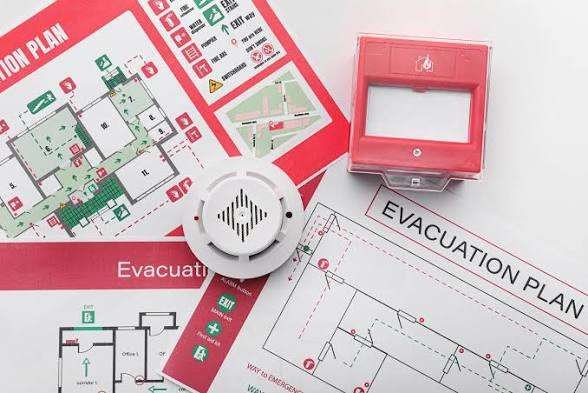
A renter should become familiar with the available exits, stairs, corridors, and other designated means of egress in the building. The Building Code of Pakistan Fire Safety Provisions 2016 states that means of egress should be clearly arranged or marked toward a place of safety.
In practical terms, this means residents should know:
– Where the normal exit is located
– Where alternative exits are located, when provided
– Which stairway or corridor leads toward safety
– Where emergency routes begin and end
– Whether common pathways are routinely blocked
– Where residents are expected to gather after evacuation
The purpose is familiarity, not fear.
Never Ignore a Blocked Exit
A blocked exit may look like a minor building-management problem, particularly if residents see furniture, boxes, bicycles, storage items, or other objects in a corridor.
However, emergency routes need to remain usable.
The Building Code addresses means of egress and requires appropriate escape facilities to be maintained in relevant circumstances.
Renters should report blocked or inaccessible emergency routes to the landlord, property manager, building administration, or another responsible authority.
Do not assume that someone else will eventually notice.
Check Whether Fire Alarms Are Available
Renters should know what type of fire-warning system exists in their building.
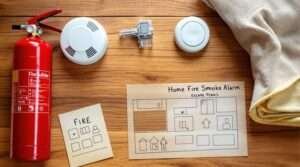
Depending on the property’s size, design, occupancy, and applicable requirements, this could include individual smoke alarms, interconnected alarms, manual alarm points, automatic detection, or a broader fire alarm system.
The Building Code states that fire alarm systems should be provided where necessary in buildings where a fire itself may not provide adequate warning to occupants.
A renter should therefore avoid assuming that an alarm is unnecessary simply because the apartment is small.
The appropriate protection depends on the property and applicable requirements.
Why a Fire Alarm System Matters
A fire alarm system is designed to provide warning, giving occupants an opportunity to recognize an emergency and follow the appropriate evacuation procedure.
For renters researching a fire alarm system in Pakistan, it is important to understand that an alarm is only one component of a broader safety plan.
A complete fire-safety approach can involve:
– Detection
– Alarm notification
– Safe escape routes
– Emergency lighting
– Fire-safety signage
– Appropriate firefighting equipment
– Regular maintenance
– Evacuation planning
– Resident awareness
The Pakistan Engineering Council also identifies installation, commissioning, and maintenance of fire detection, alarm, and suppression systems as a specialized engineering area.
This is why renters should report malfunctioning or missing building safety equipment instead of attempting technical repairs themselves.
Renters Should Report Electrical Problems
Electrical faults are another area that should never be ignored.
A tenant might notice:
– Damaged switches
– Loose sockets
– Burning smells
– Unusual heat around electrical equipment
– Repeated electrical problems
– Damaged wiring
– Sparks or other abnormal behavior
Residents should report these concerns to the landlord or qualified electrical professional.
Renters should not attempt complex electrical repairs themselves, particularly when the problem involves building wiring or electrical panels.
A small maintenance issue can become a larger safety concern if it is repeatedly ignored.
Be Careful With Cooking Areas
Cooking is part of everyday life, but kitchens require particular attention to fire prevention.
Renters should keep cooking areas organized and avoid allowing unnecessary combustible materials to accumulate near cooking equipment.
Important habits include:
– Keep the cooking area clean.
– Do not leave cooking equipment unattended when it requires supervision.
– Keep children away from hazardous cooking equipment.
– Report damaged appliances.
– Keep access to the kitchen clear.
– Follow appliance instructions.
– Make sure the landlord addresses serious electrical or gas problems.
If a cooking appliance appears unsafe, residents should stop using it and notify the responsible adult, landlord, or qualified professional rather than attempting a complicated repair.
Shared Buildings Require Shared Responsibility
Apartment buildings and rented properties often have common areas used by many residents.
These areas may include:
– Staircases
– Corridors
– Parking areas
– Storage spaces
– Lobbies
– Rooftops
– Electrical rooms
– Service areas
One resident’s actions can affect everyone else.
For example, storing personal belongings in a shared corridor may interfere with movement. Blocking a staircase or emergency route can affect neighbors who have no control over the obstruction.
Fire safety in a rented building is therefore not just an individual responsibility. It requires cooperation between tenants, landlords, building managers, and relevant authorities.
Do Not Assume the Landlord Will Notice Everything
Landlords and property managers have responsibilities, but they cannot know about every problem immediately.
A renter may be the first person to notice:
– A missing safety sign
– A damaged emergency light
– A blocked stairway
– A faulty alarm
– A damaged door
– An unsafe electrical fitting
– A problem in a shared area
Reporting problems quickly is one of the easiest ways tenants can contribute to a safer building.
Keeping a record of serious maintenance concerns can also help renters communicate clearly with property management.
Fire Safety During Building Repairs
Renovation and repair work can change the safety conditions of a building.
Temporary walls, construction materials, altered corridors, electrical work, and other changes can affect escape routes and fire-protection arrangements.
The Building Code specifically addresses construction, repair, alterations, additions, and the requirement for appropriate means of egress and fire-protection features where buildings remain occupied.
Renters should pay attention when major work is being carried out in their building.
If a normal route is temporarily unavailable, residents should know what alternative arrangements have been made.
Keep Emergency Information Accessible
Renters should know how to contact emergency services and building management.
In Punjab, Rescue 1122’s official emergency number is 1122.
Residents should also know their complete address and enough information to explain the building’s location if an emergency occurs.
This can be particularly important in large housing developments where several buildings share a similar address.
Children and Fire Safety in Rental Homes
Families living in rented accommodation should include children in age-appropriate safety education.
Children should understand basic rules such as:
– Do not play with matches or lighters.
– Do not touch unfamiliar electrical equipment.
– Do not hide during an emergency.
– Follow instructions from responsible adults.
– Know the household’s basic evacuation plan.
– Tell an adult if they notice something unusual.
Rescue 1122’s community safety programs include fire-safety education and evacuation training for students and schools.
The goal is to teach children what safe behavior looks like without frightening them.
Renters Should Understand Fire Safety Equipment
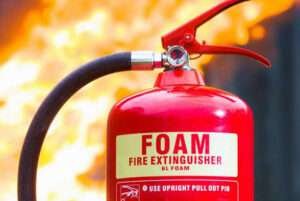
A rented property may contain fire extinguishers, alarms, emergency lights, hose reels, or other safety equipment.
Residents should know where relevant equipment is located, but they should not experiment with safety equipment or attempt technical maintenance.
The responsible building management or qualified personnel should handle inspection, servicing, and maintenance.
The Building Code includes provisions concerning maintenance, inspection, and testing of fire-protection systems.
This means safety equipment should not be treated as something that only matters when an emergency has already started.
The Importance of Emergency Drills
Knowing what to do is easier when residents have thought about it before an emergency occurs.
Emergency drills can help people become familiar with evacuation procedures and building routes.
Rescue 1122’s community safety program specifically includes emergency evacuation drills and safety training.
For rented buildings, management can communicate evacuation arrangements to residents and explain important procedures.
Even when a formal drill is not organized, families can discuss their household emergency plan and identify safe exits.
Renters Should Not Make Unsafe Modifications
Tenants sometimes make changes to rented properties for convenience.
However, modifications involving electrical systems, gas installations, doors, ventilation, alarms, or other safety-related features should be handled carefully and through the appropriate landlord or qualified professional.
A modification that appears harmless can affect the property’s safety.
For example, changing a room layout or blocking a doorway may affect how occupants move through the property.
Before making significant changes, renters should obtain the landlord’s permission and consider whether the change could affect safety.
What Landlords and Property Managers Should Provide
Although this article focuses on renters, building owners and managers have an important role.
A responsible rental property should be maintained in a condition that supports safe occupancy and should comply with applicable requirements.
Important areas can include:
– Safe means of egress
– Appropriate fire detection
– Alarm systems where required
– Emergency lighting
– Fire-safety signage
– Suitable firefighting equipment
– Safe electrical installations
– Maintenance and inspections
– Clear emergency procedures
The Building Code states that the authority having jurisdiction determines whether its provisions are met and also addresses fire certificates and inspection requirements.
Renters should therefore feel comfortable reporting genuine safety concerns to property management.
A Simple Fire-Safety Checklist for Renters
Before settling into a rented home, consider the following checklist:
Check the exits
Know how to leave the property and building safely.
Look at common areas
Make sure corridors and stairways are not routinely obstructed.
Identify alarms
Know whether smoke alarms or a building-wide alarm system is available.
Report electrical concerns
Do not ignore damaged or abnormal electrical equipment.
Understand cooking safety
Keep cooking areas organized and report unsafe appliances.
Know emergency contacts
Keep important emergency information accessible.
Discuss safety with family members
Make sure everyone understands basic evacuation procedures.
Report problems quickly
Do not assume someone else will report a hazard.
Avoid DIY safety modifications
Ask the landlord or an appropriately qualified professional when technical work is required.
Recheck after renovations
Building changes can affect escape routes and safety systems.
The Financial Value of Prevention
It can be tempting for renters to think that fire safety is mainly an owner’s financial concern.
In reality, prevention protects everyone.
A fire can destroy personal belongings that may not be easy to replace. Important documents, school materials, electronics, clothing, furniture, and sentimental possessions can all be affected.
The disruption can be even greater for families who suddenly need alternative accommodation.
Spending a few minutes understanding the building’s emergency arrangements and reporting a safety problem can therefore be far more valuable than waiting until an emergency occurs.
Fire Safety Is a Shared Responsibility
The safest rental properties are those where everyone understands their role.
Landlords and managers need to maintain the building. Qualified professionals need to inspect and service technical systems. Authorities establish and enforce applicable requirements. Renters need to use the property responsibly, recognize hazards, and report problems.
Rescue 1122’s community safety approach reflects this broader idea by promoting preparedness, prevention, safety education, and community participation.
A safer rental environment is created through cooperation rather than relying on one person or one piece of equipment.
Final Thoughts
The real cost of ignoring fire safety for renters can be much greater than the cost of addressing a problem early. A blocked exit, faulty alarm, unsafe electrical fitting, or ignored maintenance issue may appear insignificant during normal life, but it can become important during an emergency.
Renters do not need to become fire-safety experts. They simply need to understand their surroundings, know the available escape routes, report hazards, and take reasonable preventive measures.
For people researching a fire alarm system in Pakistan, it is equally important to remember that alarms are only one part of a complete safety strategy. Detection, warning, evacuation routes, emergency lighting, equipment, maintenance, and resident awareness all work together.
Ultimately, fire safety is not just about protecting a building. It is about protecting the people who live, work, study, and spend time inside it.
FAQs
1. Are renters responsible for fire safety?
Fire safety is a shared responsibility. Landlords and building managers have important duties concerning the property and its safety systems, while renters should use the property responsibly, understand evacuation routes, and report hazards or maintenance problems promptly.
2. What should renters check when moving into a new home?
Renters should become familiar with available exits, stairways, emergency routes, alarms, and important emergency contacts. They should also report obvious hazards such as blocked exits, damaged electrical equipment, or malfunctioning safety systems.
3. Can a fire alarm system protect renters from every fire?
No. A fire alarm is one layer of protection. The overall safety strategy should also include appropriate building design, safe escape routes, emergency lighting, maintenance, fire-safety equipment, and evacuation planning. The Building Code provides for fire alarm systems where necessary to warn occupants when a fire itself may not provide adequate warning.
4. What should I do if my building’s emergency exit is blocked?
Report the obstruction to the landlord, building manager, or responsible authority as soon as possible. Emergency routes should remain usable, and the Building Code emphasizes clearly indicated means of egress toward a place of safety.
5. What is the emergency number for Rescue 1122 in Punjab?
The official emergency number for Rescue 1122 in Punjab is 1122.