Home should be one of the safest places for a family, but fire can turn an ordinary situation into an emergency very quickly. Electrical problems, cooking activities, heating equipment, gas appliances, candles, and overloaded electrical connections can all create fire risks when they are not properly managed.
The good news is that many home fire risks can be reduced through simple planning and regular safety checks. A safe home does not depend on one piece of equipment. Instead, it needs a combination of prevention, early warning, clear escape routes, suitable fire-safety equipment, and a family emergency plan.
For homeowners in Pakistan, fire safety should also be considered in relation to the building’s design, occupancy, local requirements, and applicable regulations. The Building Code of Pakistan Fire Safety Provisions 2016 provides requirements intended to support life safety and property protection from fire hazards. The Pakistan Engineering Council’s building-code material also addresses fire prevention and fire-safety requirements for existing structures and premises.
This guide explains the basics of home fire safety in simple language and provides practical information for creating a safer home environment.
Why Home Fire Safety Matters
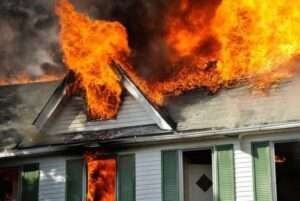
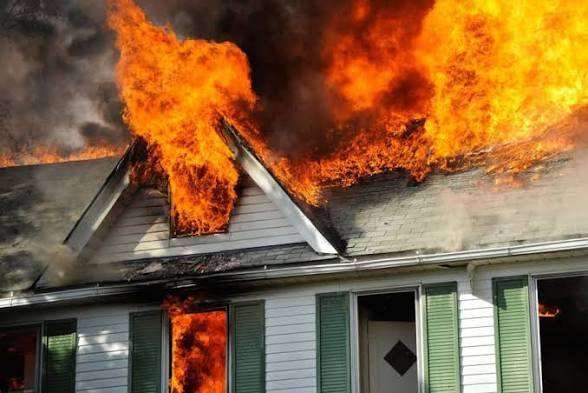
A home fire can begin in a small area and spread to other parts of a building. Smoke can also make it difficult for people to see or move around safely.
This is why prevention and early warning are so important.
A good home fire-safety plan should focus on four basic goals:
1. Reduce the chance of a fire starting.
2. Detect a possible fire as early as possible.
3. Make sure everyone knows how to leave safely.
4. Make sure important safety equipment is available and maintained.
Homeowners should also remember that fire safety is an ongoing responsibility. A house that was safe last year may need another review after renovations, changes to electrical equipment, new appliances, or changes in how rooms are used.
Start With Smoke Detection
Early warning can make an important difference during a fire emergency.
Smoke detectors are designed to detect smoke and provide an alert. In larger or more complex properties, smoke detectors can form part of a complete fire alarm system.
A fire alarm system in Pakistan may include smoke detectors, heat detectors, manual call points, alarm sounders, visual indicators, a control panel, backup power, and other components depending on the building’s design and requirements.
The Building Code of Pakistan Fire Safety Provisions 2016 includes provisions concerning fire alarm systems and situations where occupants may not receive adequate warning from the fire itself.
Homeowners should make sure installed detection equipment is appropriate for the property and maintained according to the manufacturer’s instructions.
Keep Electrical Systems Safe
Electrical equipment is an important part of modern homes, but damaged wiring and unsuitable electrical practices can increase fire risk.
Homeowners should pay attention to signs such as:
– Damaged power cords
– Loose electrical connections
– Unusual heat around electrical equipment
– Burning smells
– Damaged sockets
– Flickering lights
– Repeated circuit-breaker trips
– Improper use of extension leads
Electrical repairs should be handled by a suitably qualified person. Homeowners should not attempt risky electrical repairs themselves.
Avoid using damaged electrical equipment simply because it still appears to work. A visible problem can indicate a larger safety issue.
Avoid Overloading Electrical Connections
Modern homes often have many devices operating at the same time.
Televisions, computers, chargers, kitchen appliances, fans, air conditioners, heaters, and other equipment can place significant demands on electrical circuits.
Using too many appliances through one connection can create additional electrical risk.
A better approach is to ensure that electrical installations are appropriately designed and maintained for the expected load.
If a circuit repeatedly trips or electrical equipment becomes unusually hot, the issue should be investigated by a qualified professional instead of repeatedly resetting the system and continuing normal use.
Kitchen Fire Safety
The kitchen is one of the most important areas to consider when developing a home fire-safety plan.
Cooking involves heat, electrical equipment, gas appliances, oils, and other materials that can create fire hazards.
Simple prevention measures include:
– Keep combustible items away from cooking areas.
– Keep cooking equipment in good condition.
– Avoid leaving cooking activities unattended.
– Keep surrounding areas reasonably clear.
– Make sure ventilation arrangements are appropriate.
– Keep children away from hot cooking equipment.
– Know the location of your home’s fire-safety equipment.
If a cooking fire occurs, people should not take unnecessary risks. If the situation is becoming unsafe, everyone should move away from the danger and follow the household emergency plan.
A fire alarm or smoke detector can also provide an important warning when smoke develops.
Be Careful With Gas Appliances
Many Pakistani homes use gas for cooking or other household purposes.
Gas appliances should be installed and maintained appropriately. Any appliance that appears damaged, behaves unusually, or creates a concerning smell should receive professional attention.
Good ventilation is also important for fuel-burning appliances.
Homeowners should never ignore a suspected gas problem. If a gas-related emergency occurs, move away from the danger, alert other people in the home, and contact the appropriate local emergency or utility service according to the circumstances.
Do not take unnecessary risks by attempting complicated repairs yourself.
Keep Escape Routes Clear
A fire-safety plan is not complete if people cannot easily leave the building.
Homeowners should regularly check:
– Main exits
– Stairways
– Hallways
– Doors
– Windows that form part of an approved escape arrangement
– Outdoor paths leading away from the building
Furniture, boxes, storage items, bicycles, or other objects should not block important escape routes.
The Building Code of Pakistan Fire Safety Provisions 2016 includes provisions concerning means of egress and the arrangement and marking of routes leading toward places of safety.
The exact requirements for a property depend on its design and applicable regulations.
Make a Family Escape Plan
Every household should have a simple emergency plan.
Family members should know:
– How to recognize the alarm.
– Which exits are available.
– Where to meet after leaving.
– How to contact emergency services.
– Who may need additional assistance.
– What to do if the normal route cannot be used.
Children should be taught that when an alarm sounds, they should follow the family’s safety plan and get help from a responsible adult.
They should not be expected to investigate a fire or attempt to control it.
Choose a Safe Meeting Point
A household meeting point can make it easier to know whether everyone has safely left the building.
The meeting point should be away from the immediate danger area and should not interfere with emergency responders.
For example, a family may select a location at a safe distance from the home that everyone can remember.
The purpose is simple: once outside, family members can gather at the agreed location rather than returning to the building to look for someone.
Never Go Back Inside During a Fire
Once someone has safely left a burning or smoke-filled building, they should not return simply to collect belongings.
Smoke, heat, structural damage, and changing fire conditions can create serious hazards.
If someone is still inside, tell emergency responders rather than attempting a dangerous rescue yourself.
The safest response to a serious fire is to get away from danger and allow trained emergency personnel to handle the incident.
Keep Fire-Safety Equipment Accessible
A home may contain different types of fire-safety equipment depending on its design and risks.
Examples include:
– Smoke detectors
– Fire alarms
– Suitable fire extinguishers
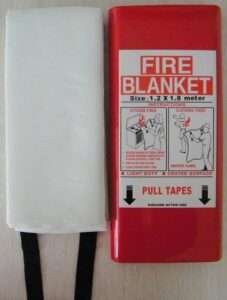
– Fire blankets where appropriate
– Emergency lighting in relevant buildings
– Clearly identified exits
Equipment should be accessible and maintained according to its instructions.
Do not hide fire-safety equipment behind furniture or household storage.
The Building Code of Pakistan Fire Safety Provisions 2016 emphasizes the use of listed, approved, or labeled fire-safety equipment according to applicable limitations and manufacturer instructions.
Maintain Smoke Detectors and Alarm Systems
Installing a smoke detector is only the first step.
Homeowners should follow the manufacturer’s instructions for testing, maintenance, power supplies, and replacement.
For larger fire alarm systems, maintenance can be more complex. A professional may need to inspect and test components such as:
– Detectors
– Control panels
– Alarm sounders
– Manual call points
– Backup power
– Wiring
– Notification devices
Pakistan Engineering Council identifies specialized engineering work covering the installation, commissioning, and maintenance of fire detection, alarm, and suppression systems and allied equipment.
This is particularly relevant to larger residential buildings, apartment complexes, and other properties with centralized fire protection.
Be Careful With Heating Equipment
Heating equipment should be used according to the manufacturer’s instructions and kept away from materials that could catch fire.
Before using heating equipment, homeowners should check for visible damage and ensure that the surrounding area is suitable.
Portable heating equipment should not be left operating in circumstances where no responsible person can monitor it.
Fuel-burning heating equipment also requires appropriate ventilation.
If an appliance appears unsafe, stop using it and arrange professional inspection or repair.
Keep Flammable Materials Stored Safely
Households commonly contain materials that can burn.
These can include:
– Paper
– Cardboard
– Cleaning products
– Fabrics
– Aerosol products
– Paint-related materials
– Fuel or other combustible products
Such materials should be stored appropriately and kept away from ignition sources.
Avoid allowing unnecessary combustible materials to accumulate around electrical equipment, cooking areas, heaters, or other sources of heat.
Good housekeeping is a simple but important part of fire prevention.
Generator Safety at Home
Power interruptions can lead some households to use backup generators.
Generators can create serious safety risks if they are incorrectly installed, operated, or located.
Homeowners should follow the manufacturer’s instructions and have electrical connections handled by qualified professionals.
Fuel-burning generators also require careful attention to ventilation and carbon-monoxide hazards.
A generator should never be treated as an ordinary household appliance.
Because installation and electrical connection requirements vary, homeowners should seek professional assistance rather than attempting complicated connections themselves.
Candles and Open Flames
Candles and other open flames can create avoidable fire risks.
If candles are used, they should be kept away from combustible materials and never left unattended.
Families with children should take additional precautions and make sure children cannot access open flames.
The simplest prevention strategy is to avoid leaving an open flame without responsible adult supervision.
Teach Children About Fire Safety
Children should receive age-appropriate fire-safety education.
They can learn:
– What a smoke alarm sounds like
– Why they should never play with matches or lighters
– How to recognize an emergency
– Which adult to tell
– Where the family meeting point is
– Why they should leave when an alarm sounds
– Why they should never hide during a fire emergency
Children should not be given responsibility for fighting fires.
The focus should be on prevention, recognizing alarms, getting adult help, and leaving safely.
Rescue 1122’s Community Safety Program includes fire-safety education and emergency evacuation training for students and teachers in Punjab.
Review Your Home After Renovations
Home renovations can change fire-safety conditions.
New walls, doors, electrical installations, appliances, rooms, or changes in how spaces are used can affect existing safety arrangements.
After significant changes, homeowners should consider whether:
– Smoke detection remains appropriate.
– Escape routes remain clear.
– Electrical systems are suitable.
– Fire-safety equipment remains accessible.
– Existing alarms still cover the relevant areas.
– Additional professional assessment is needed.
Do not assume that an old safety arrangement automatically remains suitable after major changes.
Fire Safety for Apartment Buildings
Apartment living creates additional considerations because multiple households may share corridors, stairs, entrances, and other common areas.
Residents should avoid blocking shared escape routes with personal belongings.
Building management should ensure that common fire-safety systems are appropriately maintained.
Residents should also know the building’s emergency procedures and follow instructions from building management and emergency services.
A centralized alarm system can be especially important in larger residential buildings because occupants may be located far from the point where a fire begins.
What Homeowners Should Check Regularly
A simple home fire-safety review can include the following:
Smoke Detection
Check that installed smoke detectors are present, appropriately maintained, and not visibly damaged.
Electrical Equipment
Look for damaged cords, sockets, plugs, or other obvious problems.
Kitchen
Keep cooking areas organized and combustible materials away from heat sources.
Gas Appliances
Ensure appliances are appropriately maintained and that ventilation is adequate.
Exits
Keep doors, stairways, and other escape routes clear.
Fire-Safety Equipment
Make sure appropriate equipment is accessible and maintained.
Emergency Plan
Make sure household members know the evacuation procedure and meeting point.
Children
Provide simple, age-appropriate fire-safety education.
Building Changes
Review fire-safety arrangements after major renovations or changes in occupancy.
Common Home Fire-Safety Mistakes
Some fire-safety problems are caused by simple habits.
Ignoring Damaged Electrical Equipment
A damaged cord or socket should not be ignored.
Blocking Exits
Storage should never turn an escape route into a difficult pathway.
Forgetting Smoke Detector Maintenance
A detector that is not properly maintained may not provide the expected warning.
Leaving Cooking Unattended
Unattended cooking can increase fire risk.
Storing Combustible Materials Near Heat
Combustible items should be kept away from sources of heat and ignition.
Allowing Children Near Fire Hazards
Matches, lighters, and other ignition sources should be kept away from children.
Relying on One Safety Device
No single device can provide complete protection.
The Importance of Professional Help
Some home fire-safety tasks are simple observations, but others require qualified professionals.
Professional assistance may be appropriate for:
– Electrical installation problems
– Gas appliance concerns
– Central fire alarm systems
– Fire detection system design
– Complex building fire-safety assessments
– Major renovations affecting fire protection
Pakistan Engineering Council’s professional framework recognizes specialized work for fire detection, alarm, and suppression systems.
Getting the right professional involved can help avoid unsafe modifications and ensure that systems are suitable for the property.
Home Fire Safety in Pakistan
Fire safety requirements can differ according to the type and location of a property.
The Building Code of Pakistan Fire Safety Provisions 2016 provides a national framework for fire-safety provisions, while local authorities and applicable provincial requirements can also affect individual properties. The Pakistan Engineering Council’s later building-code material states that fire-prevention provisions apply to matters involving fire hazards and the construction, alteration, or removal of fire suppression, sprinkler, and alarm systems, subject to the applicable authority having jurisdiction.
Homeowners should therefore consider both general safety principles and the requirements applicable to their specific property.
Rescue 1122 also provides community fire-safety education and prevention programs in Punjab, including public training and evacuation education.
A Simple Home Fire-Safety Checklist
Use this checklist as a general reminder:
– Smoke detectors are installed where appropriate.
– Fire alarm equipment is maintained.
– Electrical equipment is in good condition.
– Cooking areas are kept safe and organized.
– Gas appliances are properly maintained.
– Heating equipment is used according to instructions.
– Combustible materials are stored safely.
– Exits and pathways are clear.
– Fire-safety equipment is accessible.
– Family members know the evacuation plan.
– A safe meeting point has been selected.
– Children understand basic fire safety.
– Major home renovations trigger a fire-safety review.
– Professional help is obtained for complex electrical, gas, or fire-alarm work.
This checklist is a general guide and does not replace professional assessment, applicable building requirements, or manufacturer’s instructions.
Conclusion
Home fire safety does not have to be complicated.
Small actions can make a meaningful difference: maintaining smoke detectors, keeping electrical equipment in good condition, using kitchen and heating equipment responsibly, keeping exits clear, storing combustible materials appropriately, and creating a family evacuation plan.
The most important principle is to think about fire safety before an emergency occurs.
A fire alarm system in Pakistan can be an important part of a larger safety strategy, but detection is only one element. Prevention, early warning, evacuation planning, appropriate equipment, maintenance, and family awareness all work together.
For homeowners, the goal should not be to create a complicated system. It should be to create a home where fire risks are reduced, warning systems are maintained, and everyone knows how to respond safely.
A few minutes spent reviewing your home’s fire-safety arrangements can help identify problems before they become emergencies.
Frequently Asked Questions
1. What is the most important part of home fire safety?
There is no single measure that provides complete protection. A combination of fire prevention, smoke detection, clear escape routes, suitable equipment, regular maintenance, and an emergency plan provides a stronger overall approach.
2. Does every home need a fire alarm system?
Fire-safety requirements depend on the type of property, its design, occupancy, and applicable regulations. Smoke detection is an important consideration for residential safety, while larger properties may require more comprehensive alarm systems.
3. How can homeowners improve electrical fire safety?
Homeowners should avoid using damaged electrical equipment, avoid unsafe overloading, and have electrical problems assessed by qualified professionals. Repeated circuit problems should not simply be