
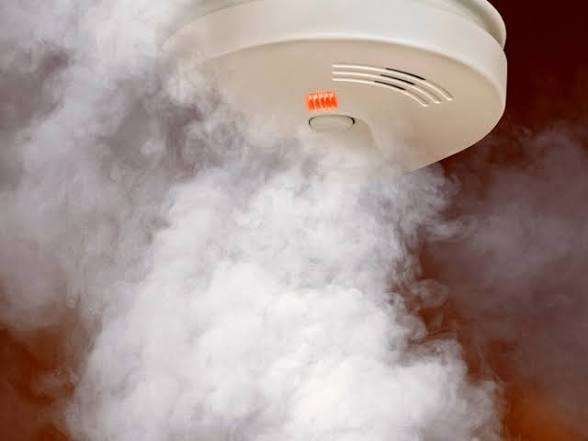
Home is supposed to be a safe place for families. But fires can start unexpectedly because of electrical faults, cooking accidents, heating equipment, candles, overloaded circuits, or other hazards. When a fire begins, every second can matter. A reliable fire alarm can provide an early warning and give people more time to leave the building safely.
For this reason, fire detection is an important part of a complete home safety plan. In Pakistan, the importance of fire protection is also reflected in the Building Code of Pakistan – Fire Safety Provisions 2016, which establishes provisions related to fire prevention, life safety, and fire protection for buildings and structures.
A fire alarm system in Pakistan can help families become aware of a developing fire before smoke or flames become widespread. However, an alarm is only one part of fire safety. Safe electrical systems, careful cooking practices, clear escape routes, regular maintenance, and an emergency plan are also important.
This guide explains why fire alarm systems matter in homes, how they support family safety, and what homeowners should know about maintaining them.
What Is a Fire Alarm System?
A fire alarm system is designed to detect signs of fire and provide a warning.
Depending on the system, detection may involve smoke, heat, or other indicators associated with a fire. When the system detects a condition that meets its detection criteria, it can activate an audible or visual warning.
Simple residential alarms may operate independently, while larger homes or residential buildings may use interconnected or more comprehensive systems.
The main purpose is straightforward:
Detect a potential fire and warn people early.
This early warning can be especially important when people are sleeping, when occupants are in another part of the house, or when a fire begins in an area that is not immediately visible.
Why Early Warning Matters
A small fire can develop into a serious emergency if it is not detected quickly.
People may not notice smoke immediately, particularly when they are sleeping. A person in an upstairs bedroom may also be unaware of a problem developing in a kitchen or another area of the home.
An alarm can attract attention much sooner than a person might otherwise notice the problem.
Early warning gives household members an opportunity to:
– Recognize that there may be a fire
– Alert other people in the home
– Leave using a safe route
– Follow the household emergency plan
– Contact emergency services when appropriate
A fire alarm does not guarantee that everyone will escape safely, but it can be an important layer of protection.
1. Fire Alarms Can Protect People While They Sleep
One of the biggest benefits of fire detection is protection during sleeping hours.
People are less likely to notice unusual smells, sounds, or changes in their surroundings while asleep. A loud alarm can provide an important warning that may otherwise be missed.
Bedrooms and sleeping areas therefore deserve particular attention when planning residential fire detection.
Families should make sure everyone knows what the alarm sounds like and what they should do if it activates.
Children should be taught to recognize the alarm and follow the family’s evacuation plan rather than trying to investigate the source themselves.
2. Fires Can Start in Different Areas of a Home
Many people associate house fires only with kitchens. While cooking is an important source of fire risk, fires can begin in many other areas.
Potential sources of fire include:
– Electrical equipment
– Damaged wiring
– Heating appliances
– Cooking equipment
– Candles
– Portable electrical devices
– Faulty appliances
– Garages and storage areas
The exact risks vary from one home to another.
A fire-safety assessment should therefore consider the entire property instead of focusing on only one room.
3. Electrical Safety and Fire Detection Work Together
Electrical faults are an important reason to take fire detection seriously.
Damaged cables, overloaded circuits, unsuitable electrical equipment, and poorly maintained installations can increase electrical safety risks.
A fire alarm cannot prevent an electrical fault. Instead, it provides another layer of protection if a fire develops.
This is why families should consider two separate questions:
How can we reduce the chance of an electrical fire?
and
How will we know quickly if a fire occurs?
The first question relates to prevention. The second relates to detection.
Both are important.
Pakistan’s electrical safety framework includes requirements relating to electrical installations and protection, while the Pakistan Engineering Council also regulates professional engineering practice in the country.
4. Fire Alarms Support a Complete Home Safety Plan
A fire alarm should not be considered a complete fire-safety plan by itself.
A safer home combines several layers of protection.
These may include:
Prevention
Reduce common fire hazards and maintain electrical and other household equipment appropriately.
Detection
Use suitable fire or smoke detection equipment.
Warning
Make sure occupants can hear or otherwise receive the alarm.
Escape
Keep suitable escape routes available and avoid blocking doors and pathways.
Emergency response
Household members should know how to respond when an alarm sounds.
Professional support
Electrical and fire-protection work should be handled by appropriately qualified professionals when required.
Together, these measures create a stronger safety system than relying on one device alone.
5. Fire Alarm Systems Can Be Important in Pakistan
Homes in Pakistan vary greatly in size, design, construction, and occupancy.
A small single-family home may have different fire-safety needs from a large house, apartment building, or high-rise residential property.
The Building Code of Pakistan – Fire Safety Provisions 2016 addresses fire prevention, life safety, and fire protection in buildings. It also provides requirements concerning means of egress and fire alarm systems where applicable.
This means homeowners, builders, property managers, and other responsible parties should consider the applicable requirements for their particular building.
For larger or more complex properties, professional fire-safety advice can help determine appropriate detection and alarm arrangements.
6. Fire Alarms Can Help Families Respond Faster
When people hear a fire alarm, they receive information that something may be wrong.
The appropriate response is to take the alarm seriously and follow the household’s emergency plan.
People should not waste valuable time assuming that an alarm is false or trying to locate a fire themselves.
For children and teenagers, the safest approach is especially simple:
Hear the alarm, tell a responsible adult, and follow the evacuation plan.
They should not attempt to investigate electrical panels, appliances, gas equipment, or an active fire.
7. Different Homes Have Different Fire Risks
There is no single arrangement that is perfect for every building.
A home may contain:
– A kitchen
– Bedrooms
– Living areas
– Electrical equipment
– Storage rooms
– A garage
– A basement
– A rooftop area
– Heating or cooling equipment
Each space can have different hazards.
For example, a kitchen may have cooking-related risks, while a garage can contain vehicles, tools, electrical equipment, or combustible materials.
The design of a fire detection system should take the building’s layout and risks into account.
For complex buildings, professional assessment is particularly useful.
The Importance of Proper Installation
A fire alarm only provides useful protection when it is correctly selected, installed, and maintained.
The placement of detection equipment can affect how quickly it responds to a developing fire. Building layout, ceiling design, room use, environmental conditions, and other factors can influence the appropriate arrangement.
This is one reason fire alarm work should not be treated as a simple DIY project in larger or complex buildings.
Pakistan Engineering Council’s constructor/operator registration information includes a specialization for the installation, commissioning, and maintenance of fire detection, alarm, and suppression systems.
For larger residential properties and professional installations, appropriately qualified specialists can help ensure that the system is suitable for the building.
Regular Testing and Maintenance
Installing an alarm is only the beginning.
Fire-safety equipment should remain functional throughout its service life. Dust, aging components, power problems, damage, or other issues can affect performance.
Homeowners should follow the manufacturer’s instructions for testing and maintenance.
For larger systems, inspection, testing, and maintenance should be performed according to the applicable system requirements and by suitable professionals.
If an alarm repeatedly produces unwanted alerts, it should not simply be ignored or permanently disabled. The cause should be identified and addressed.
A disabled alarm cannot provide the protection it was installed to provide.
Keep Escape Routes Clear
An alarm is most useful when people can safely leave after receiving the warning.
For this reason, families should think about escape routes as part of their overall fire-safety plan.
Important considerations include:
– Keeping exits accessible
– Avoiding unnecessary clutter near doors
– Knowing more than one possible way out where practical
– Making sure household members know where to go
– Establishing a meeting point outside the building
Children should learn the household’s evacuation plan in a simple and age-appropriate way.
The Building Code of Pakistan includes requirements concerning means of egress, including arrangements intended to help occupants reach a place of safety.
Fire Safety for Children
Children need simple and clear fire-safety rules.
Parents and guardians can explain:
– What a fire alarm sounds like
– Why the alarm should always be taken seriously
– Where the family should go during an evacuation
– Why children should never play with electrical outlets or appliances
– Why they should tell an adult if they notice smoke or another fire hazard
Children should not be responsible for operating fire-protection equipment or investigating an emergency.
The goal is to help them recognize danger and respond safely.
Common Mistakes Homeowners Should Avoid
Even homes with alarms can have preventable safety problems.
Ignoring alarm warnings
If an alarm activates, do not automatically assume it is harmless.
Removing batteries without replacement
A missing or depleted power source can leave an alarm unable to operate.
Blocking escape routes
Furniture, boxes, or other objects should not unnecessarily obstruct important exits.
Ignoring electrical warning signs
Burning smells, damaged cables, repeated breaker trips, or unusual electrical behavior should receive appropriate attention.
Forgetting maintenance
Fire-safety equipment requires appropriate inspection and maintenance.
Depending on one safety measure
A good safety plan combines prevention, detection, warning, evacuation, and emergency response.
Fire Alarm System in Pakistan: What Homeowners Should Consider
When considering a fire alarm system in Pakistan, homeowners should look beyond the initial purchase.
Important considerations include:
Property size
A small home and a large multi-level property may have very different detection requirements.
Building layout
Rooms, corridors, stairways, kitchens, garages, and other areas can affect system planning.
Occupancy
The number and characteristics of people living in the home can influence safety planning.
Existing fire hazards
Electrical equipment, cooking areas, heating equipment, and storage spaces should be considered.
Maintenance
The system should remain operational after installation.
Professional advice
Complex residential systems should be assessed and installed by suitable professionals.
Applicable requirements
Building owners should check the requirements that apply to their particular property and location.
Why Fire Alarms Are Only One Part of Fire Safety
It is tempting to think that installing an alarm solves the entire fire-safety problem.
It does not.
A fire alarm can provide a warning, but it cannot repair damaged wiring, prevent unsafe cooking, remove combustible clutter, or create an evacuation plan.
A complete home fire-safety strategy should therefore combine:
Prevention + Detection + Warning + Evacuation + Emergency Planning
This layered approach is more practical because different safety measures protect against different parts of the risk.
Fire Safety in Apartments and Multi-Story Homes
People living in apartments or multi-story homes should pay particular attention to escape planning.
The location of bedrooms, stairways, exits, and common areas can influence how people respond to an emergency.
Residents should know the building’s designated exits and follow instructions from building management or emergency authorities.
High-rise buildings can have additional fire-protection requirements. The Pakistan Engineering Council’s Building Code includes provisions concerning fire alarms, emergency power, means of egress, and other fire-safety systems for applicable building types.
Residents should never assume that a fire alarm alone means they can ignore the building’s evacuation procedures.
Building a Safer Home
Creating a safer home does not require waiting for an emergency.
Families can start by identifying common hazards and discussing what they would do if an alarm sounded.
A simple home safety review can include:
1. Check whether suitable fire detection is present.
2. Make sure alarms are maintained according to manufacturer guidance.
3. Identify potential electrical hazards.
4. Keep important exits accessible.
5. Discuss an evacuation plan.
6. Choose a safe meeting point.
7. Teach children basic alarm awareness.
8. Arrange professional assistance for complex electrical or fire-protection work.
These basic steps can make fire safety part of normal household planning.
Conclusion
Fire can develop quickly, and people may not always notice it immediately. A properly selected and maintained fire alarm can provide an important early warning and support a household’s emergency response.
For homes in Pakistan, fire detection should be considered alongside electrical safety, safe cooking practices, clear escape routes, maintenance, and emergency planning.
The Building Code of Pakistan – Fire Safety Provisions 2016 provides a national framework addressing fire prevention, life safety, and fire protection, with specific fire-alarm provisions applying where required.
A fire alarm system in Pakistan should therefore be viewed as one part of a wider safety strategy rather than a standalone solution.
The most important principle is simple: reduce fire risks where possible, detect fires early, take alarms seriously, and make sure everyone in the home knows how to reach safety.
FAQs
1. Why is a fire alarm important for a home?
A fire alarm provides an early warning when a potential fire is detected. This can help occupants recognize an emergency and begin following their evacuation plan sooner.
2. Can a fire alarm prevent a house fire?
No. A fire alarm is primarily designed to detect and warn. Preventing fires requires safe electrical systems, careful use of appliances, good housekeeping, appropriate maintenance, and other preventive measures.
3. Where should fire alarms be installed?
The appropriate locations depend on the building layout, type of alarm, applicable requirements, and manufacturer guidance. Larger or more complex homes may benefit from professional fire-safety assessment.
4. Should children know what to do when a fire alarm sounds?
Yes. Children should understand that an alarm means they need to follow the household’s emergency plan and go to safety. They should not investigate the source of the alarm or attempt to deal with a fire themselves.
5. Does a fire alarm system need regular maintenance?
Yes. Fire alarms should be tested and maintained according to the manufacturer’s instructions and applicable requirements. Larger systems may require professional inspection, testing, and maintenance.