Electrical systems make modern homes, offices, shops, factories, and other buildings more convenient. However, electrical problems can also create serious fire risks when wiring, appliances, outlets, or protective devices are poorly maintained.
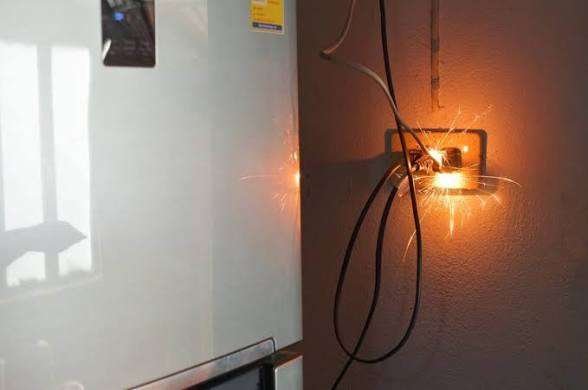
A short circuit happens when electricity follows an unintended path with very low resistance. This can cause a sudden increase in current, which may damage electrical equipment and create heat, sparks, or fire. Pakistan’s electrical safety guidance includes requirements for protection against high-magnitude short-circuit currents, while electrical installations are expected to be installed and maintained in accordance with applicable safety requirements.
Short circuit prevention is therefore an important part of a wider fire-safety plan. A reliable fire alarm system in Pakistan can provide an early warning when a fire develops, but preventing electrical problems in the first place is equally important.
Below are seven common mistakes that can increase electrical and fire risks, along with safer ways to approach prevention.
1. Ignoring Damaged Wires and Cables
One of the most common mistakes is continuing to use electrical equipment when its cable, plug, or visible insulation appears damaged.
Cables can become damaged because of age, heat, moisture, physical pressure, poor installation, or repeated movement. Damaged insulation can expose electrical conductors and increase the possibility of electrical faults.
People sometimes ignore small signs because the appliance still appears to work normally. This can be dangerous because an electrical problem is not always immediately visible.
Warning signs can include:
– Cracked or damaged cable insulation
– Loose or damaged plugs
– Discoloration around outlets
– Burning smells
– Unusual buzzing or crackling
– Repeated tripping of protective devices
– Appliances becoming unusually hot
Electrical equipment showing these warning signs should not simply be ignored. A qualified electrician should assess the problem and determine whether repair or replacement is necessary.
The Pakistan Engineering Council’s electrical safety material emphasizes appropriate protection and safe installation of electrical equipment.
2. Overloading Electrical Outlets
Another common mistake is connecting too many electrical devices to one outlet or extension arrangement.
Modern homes can contain televisions, computers, chargers, refrigerators, air conditioners, microwaves, washing machines, and many other electrical appliances. Connecting several high-power devices to the same circuit without considering its capacity can place additional stress on the electrical system.
Overloading does not necessarily mean that a fire will happen immediately. However, excessive electrical demand can contribute to overheating and other electrical problems.
A safer approach
Electrical loads should be assessed by a qualified professional, particularly when installing high-power equipment or changing the electrical layout of a building.
Businesses and larger properties should pay particular attention to electrical load management because they often operate many appliances and machines simultaneously.
Electrical installations should be designed and maintained according to applicable codes and requirements rather than relying on guesswork.
3. Treating Circuit Breakers as an Inconvenience
A circuit breaker or other protective device may disconnect power when it detects a problem. Some people make the mistake of repeatedly resetting it without finding out why it has operated.
A protective device should not simply be treated as something that needs to be switched back on whenever the electricity goes off.
Repeated trips can indicate an overloaded circuit, equipment fault, wiring problem, or another electrical issue.
Why this matters
Protective devices are part of the electrical safety system. Pakistan’s electrical safety code includes requirements for automatic disconnection in certain short-circuit situations, particularly for electrical equipment such as motors.
If a breaker repeatedly trips, the underlying problem should be investigated by a qualified professional.
The goal is not simply to restore electricity. The goal is to understand why the protective device operated and make the electrical system safer.
4. Using Poor-Quality or Incorrect Electrical Equipment
Another mistake is choosing electrical products only because they are inexpensive.
Electrical components need to be appropriate for the intended application. Using unsuitable cables, switches, plugs, protective equipment, or other components can increase safety risks.
This is especially important in commercial and industrial buildings where electrical systems may operate under demanding conditions.
The Pakistan Engineering Council’s construction safety guidance states that electrical equipment and installations should be installed and maintained by competent persons and should comply with applicable national laws and regulations. It also emphasizes that installations should be suitable for their power requirements and protected against environmental conditions such as water and dust.
Better practice
When electrical components need replacement or an installation needs modification:
– Use suitable equipment.
– Follow applicable electrical requirements.
– Avoid unverified modifications.
– Have electrical work assessed by a qualified professional.
– Consider the electrical load and operating environment.
Safety should be considered alongside price when selecting electrical equipment.
5. Ignoring Moisture, Dust, and Poor Environmental Conditions
Electricity and unsuitable environmental conditions can create additional safety concerns.
Water, excessive dust, heat, and chemicals can affect electrical equipment and installations. Electrical panels, junction boxes, outlets, and other components need suitable protection for their environment.
For example, equipment installed in a damp location may require appropriate protection against moisture. Similarly, industrial environments may require equipment suitable for dust or other conditions.
Pakistan’s occupational safety guidance for construction specifically notes that electrical distribution panels, breakers, switches, and junction boxes should have appropriate protection against wet conditions and dust.
Why regular inspection matters
A building may change over time. Water leaks can develop, equipment can deteriorate, and dust can accumulate. Therefore, electrical safety should not be treated as a one-time task.
Regular inspections can help identify conditions that were not present when the original electrical installation was completed.
6. Forgetting About Electrical Maintenance
Electrical systems require appropriate inspection and maintenance.
A common mistake is waiting until something stops working before calling an electrician. Preventive maintenance can help identify problems before they become more serious.
This is particularly important in offices, factories, warehouses, restaurants, schools, hospitals, and other buildings with many electrical systems.
Maintenance programs can include professional checks of relevant:
– Wiring
– Distribution boards
– Protective devices
– Electrical equipment
– Connections
– Grounding arrangements
– Emergency systems
– Fire-protection systems
The exact inspection and maintenance requirements depend on the type of property, electrical installation, equipment, and applicable regulations.
NFPA describes modern electrical codes as covering electrical design, installation, and inspection to help protect people and property from electrical hazards.
Regular professional inspection is especially important when a building is old, has undergone renovation, or has experienced repeated electrical faults.
7. Relying on a Fire Alarm Instead of Preventing Electrical Problems
A fire alarm is an important part of building safety, but it should not be considered a replacement for electrical maintenance.
A fire alarm system in Pakistan can help provide early warning when a fire is detected, allowing occupants to respond according to their emergency plan. However, fire alarms do not remove the electrical conditions that may contribute to a fire.
A complete fire-safety strategy should combine prevention, detection, emergency planning, and maintenance.
NFPA 72 identifies installation, inspection, testing, and maintenance as important aspects of fire alarm and signaling systems.
A balanced approach includes:
1. Safe electrical design
2. Appropriate protective devices
3. Professional installation
4. Regular electrical inspection
5. Proper equipment maintenance
6. Reliable fire detection and alarm systems
7. Clear emergency procedures
8. Regular safety training where appropriate
The purpose of an alarm system is to provide warning. The purpose of electrical safety measures is to reduce the chance of an electrical incident developing in the first place.
Why Short Circuit Prevention Matters in Pakistan
Electrical safety is important in every country, including Pakistan.
Buildings can have very different electrical requirements. A small home may have relatively simple electrical loads, while a factory, shopping center, office building, hospital, or warehouse can have complex electrical systems.
Pakistan’s electrical safety framework includes the Pakistan Electric and Telecommunication Safety Code, while the Pakistan Engineering Council also publishes safety-related requirements and guidance for electrical installations and construction environments.
Local requirements can also differ according to the type of property and applicable authority. For major electrical work, building projects, or commercial installations, property owners and managers should seek advice from appropriately qualified professionals.
How Fire Alarms Support Electrical Fire Safety
Electrical prevention and fire detection work together.
Even when a building has appropriate electrical protection, no safety system can guarantee that a fire will never occur. Electrical equipment can fail, external conditions can change, and unexpected faults can happen.
This is why early fire detection is important.
A properly designed fire alarm system can alert occupants when a fire is detected. The alarm should form part of a broader emergency plan that includes safe evacuation and communication procedures.
For larger or more complex buildings, fire alarm design and maintenance should be handled according to applicable requirements and by qualified professionals.
A useful fire-safety program therefore considers both sides:
Prevention: Reduce electrical hazards and maintain the electrical system.
Detection: Detect a developing fire and provide timely warning.
Electrical Safety Tips for Homes
Homeowners can support electrical safety by paying attention to warning signs and avoiding unsafe practices.
Simple habits include:
– Do not ignore damaged cables or plugs.
– Avoid unnecessary overloading of outlets.
– Keep electrical equipment away from unsuitable wet conditions.
– Do not repeatedly reset a protective device without investigating the cause.
– Arrange professional inspection when electrical problems repeatedly occur.
– Follow manufacturer instructions for electrical appliances.
– Keep combustible materials away from electrical equipment.
– Make sure smoke and fire detection equipment is maintained appropriately.
– Make sure everyone in the household knows what to do when a fire alarm sounds.
Children and teenagers should not attempt electrical repairs or investigate exposed wiring. Electrical work should be handled by qualified adults and professionals.
Electrical Safety Tips for Businesses
Businesses have additional responsibilities because many people may be present and electrical systems can be more complex.
A business safety program should consider:
Electrical inspection
Electrical installations should be professionally inspected at suitable intervals based on the property and equipment.
Equipment maintenance
Machines, appliances, and electrical systems should receive appropriate maintenance.
Fire detection
Buildings should have suitable fire detection and alarm arrangements based on their risks and applicable requirements.
Emergency planning
Staff should understand emergency procedures, evacuation routes, alarm signals, and reporting arrangements.
Housekeeping
Storage areas should be kept organized, and combustible materials should not be unnecessarily accumulated around electrical equipment.
Documentation
Maintenance and inspection records can help property managers understand the condition of important safety systems and identify recurring problems.
What To Do When You Notice an Electrical Problem
If you notice smoke, burning odors, sparks, damaged wiring, repeated breaker trips, or another serious electrical warning sign, do not attempt to repair the problem yourself.
Keep away from damaged electrical equipment and inform a responsible adult, building manager, or qualified electrician.
If there is a fire or immediate danger, follow the building’s emergency procedure and contact the appropriate emergency service.
Do not put yourself at risk by attempting to investigate an active electrical fault.
The Importance of Professional Electrical Work
Electrical systems may look simple from the outside, but safe installation requires knowledge of electrical loads, protective devices, wiring, grounding, equipment ratings, and applicable regulations.
Professional work can help identify problems that may not be obvious to an untrained person.
Pakistan’s construction safety guidance specifically emphasizes that electrical installations should be installed and maintained by competent persons and should be used in a way that protects against dangers such as electric shock, fire, and explosion.
For this reason, electrical safety should not depend on internet shortcuts or DIY repairs.
Final Thoughts
Short circuit prevention is an important part of fire safety. Damaged wiring, overloaded circuits, unsuitable equipment, moisture, poor maintenance, and ignored warning signs can all contribute to electrical hazards.
The seven common mistakes discussed in this guide show why prevention requires more than simply installing a protective device or fire alarm.
A safer approach combines professional electrical installation, appropriate protection, regular maintenance, suitable equipment, good housekeeping, and reliable fire detection.
For homes and businesses in Pakistan, a properly maintained fire alarm system in Pakistan can be an important part of the overall fire-safety strategy. However, early warning works best when combined with efforts to reduce electrical hazards before they become emergencies.
Electrical safety is ultimately about creating a system where prevention, detection, maintenance, and emergency preparedness work together.
FAQs
1. What is a short circuit?
A short circuit occurs when electrical current takes an unintended low-resistance path. It can cause a sudden increase in current and may result in overheating, equipment damage, or fire.
2. What are common signs of an electrical problem?
Common warning signs can include burning odors, unusual buzzing, damaged cables, discolored outlets, repeated circuit-breaker trips, and equipment that becomes unusually hot. These signs should be assessed by a qualified professional.
3. Can a fire alarm prevent a short circuit?
No. A fire alarm is primarily a detection and warning system. It does not replace proper electrical design, protective devices, inspection, and maintenance.
4. How can homeowners improve electrical fire safety?
Homeowners should avoid overloading outlets, replace damaged equipment through qualified professionals, keep electrical equipment in suitable conditions, pay attention to warning signs, and arrange professional inspections when problems occur.
5. Why is professional electrical inspection important?
Professional inspection can identify electrical problems that may not be obvious during normal use. Qualified professionals can assess wiring, protective equipment, loads, and other parts of an electrical installation according to applicable requirements.