Fire safety begins with prevention, early warning, and a clear emergency plan. For larger buildings and properties, water-based firefighting systems can also be an important part of overall fire protection. Fire hydrants are one example of such a system.
However, it is important to understand that not every individual home automatically requires a private fire hydrant. The need for hydrants depends on factors such as the size and height of a building, its use, fire risk, available water supply, local requirements, and the recommendations of qualified fire-safety professionals.
In Pakistan, the Building Code of Pakistan Fire Safety Provisions 2016 contains a dedicated chapter covering fire department access and water supplies. It applies to both public and privately owned fire hydrant systems and requires plans and specifications for hydrant systems to be submitted to the relevant authority for approval before construction.
For homeowners, apartment owners, housing societies, and property managers, understanding how hydrants fit into a wider safety plan can help create safer buildings.
What Is a Fire Hydrant?
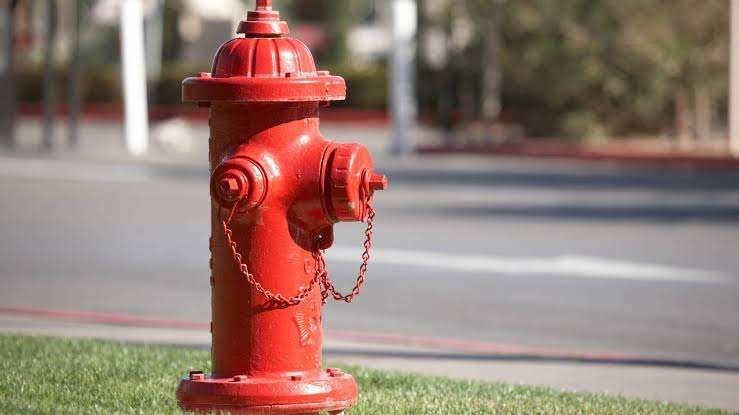
A fire hydrant is a connection point that provides access to a water supply for firefighting purposes.
Hydrant systems may be connected to a building’s dedicated water supply and can include components such as:
– Hydrant outlets
– Water storage
– Pumps
– Pipes
– Valves
– Hose equipment
– Pressure-control components
– Fire department connections where applicable
The exact design depends on the building and its fire-protection requirements.
A hydrant is not the same thing as a household water tap. Fire hydrant systems are designed as part of a planned fire-protection arrangement and should be designed, installed, inspected, and maintained by appropriately qualified professionals.
Does Every Home Need a Fire Hydrant?
The short answer is not necessarily.
The title “Fire Hydrants: Why Every Home Needs Them” highlights the importance of water-based fire protection, but individual homes have different requirements.
A small single-family house may not need the same type of hydrant system as:
– A high-rise apartment building
– A large residential complex
– A commercial building
– A warehouse
– A factory
– A hospital
– A school
– A large housing development
Building height, occupancy, construction, fire hazards, access for emergency vehicles, and local regulations can all affect the required protection.
The Pakistan Engineering Council lists the Building Code of Pakistan Fire Safety Provisions 2016 among its developed building codes and standards.
Therefore, homeowners should not install or remove a hydrant system based only on a general article. The appropriate requirement should be determined according to the property and applicable regulations.
Why Fire Hydrants Are Important
When a fire occurs, firefighters need access to suitable water supplies and safe access routes.
A properly planned hydrant system can form part of that infrastructure.
The Building Code of Pakistan Fire Safety Provisions 2016 specifically addresses fire department access and water supplies. It also contains requirements concerning fire apparatus access roads and privately owned hydrant systems.
This is particularly relevant to larger properties where firefighters may need reliable access to water while dealing with an emergency.
Hydrants are therefore not simply pieces of equipment placed around a property. They are part of a larger fire-protection system that needs proper planning and maintenance.
Fire Hydrants and Fire Alarm Systems Work Together
A hydrant system and a fire alarm system serve different purposes.
A fire alarm system is mainly concerned with detection and warning. A hydrant system is part of the water supply and firefighting infrastructure.
This difference is important.
For example, an alarm may alert occupants to a fire, while a hydrant system can provide an appropriate water connection for firefighting operations in buildings where such a system is required.
This means that installing a fire alarm system in Pakistan should not be viewed as a replacement for other fire-protection measures where those measures are required.
Likewise, a hydrant system should not be treated as a replacement for alarms, safe exits, emergency lighting, or evacuation planning.
A complete fire-safety strategy normally combines several layers of protection.
Main Parts of a Hydrant System
The design of a hydrant system can vary considerably. However, a typical system may contain several important components.
1. Water Storage
Some properties require dedicated water storage for firefighting purposes.
The required capacity depends on the building and applicable design requirements. A professional should determine the appropriate arrangement rather than relying on a general household water tank.
2. Pumps
Where necessary, pumps can help provide the water pressure required by the designed fire-protection system.
Pumps need proper installation, inspection, testing, and maintenance.
3. Pipes
Water must travel from its source to the required hydrant points through appropriately designed pipework.
Pipe sizing, routing, materials, pressure, and protection are matters for qualified professionals.
4. Valves
Valves control the movement of water through different parts of the system.
They must remain accessible and be maintained appropriately.
5. Hydrant Outlets
Hydrant outlets provide connection points for firefighting equipment.
Their location and accessibility should be determined during system design.
6. Fire Department Connections
Some buildings may include connections intended to support firefighting operations.
Their arrangement depends on the building’s design and applicable requirements.
Why Hydrant Location Matters
A hydrant is useful only when it can be accessed when needed.
For this reason, hydrant locations should be planned carefully.
They should not be hidden behind permanent obstructions or placed where normal activities can easily block access.
The Pakistan fire-safety provisions also address fire department access and require access roads and related arrangements to be maintained.
Property owners should therefore avoid treating fire-safety areas as ordinary storage spaces.
Vehicles, construction materials, rubbish, furniture, or other objects should not be allowed to interfere with designated emergency access.
Fire Department Access Is Part of the System
Having a hydrant does not automatically mean firefighters can use it effectively.
Emergency vehicles need suitable access to the property.
The Building Code of Pakistan Fire Safety Provisions 2016 includes requirements concerning access to structures, fire apparatus access roads, and clearances for firefighting vehicles.
This is especially important in:
– Housing societies
– Apartment complexes
– High-rise buildings
– Commercial areas
– Industrial properties
– Large private developments
Narrow entrances, blocked roads, parked vehicles, locked gates, and poor site planning can create difficulties during an emergency.
Good fire safety therefore considers the whole property rather than one individual device.
Fire Hydrants in Housing Societies
A private home may not require its own individual hydrant, but a larger residential development may have shared fire-protection infrastructure.
Housing societies and large residential communities can contain many buildings close together. A fire in one location can potentially create risks for nearby structures.
For such developments, fire department access, water supplies, hydrant locations, alarms, emergency routes, and other protective systems can all be important parts of the overall safety plan.
The exact requirements should be determined during planning and approved through the appropriate authority.
Fire Hydrants in Apartment Buildings
Apartment buildings have different safety considerations from detached houses.
There may be many residents, multiple floors, shared corridors, stairways, electrical systems, parking areas, and other common spaces.
In taller buildings, emergency access and firefighting infrastructure become especially important.
The Building Code of Pakistan Fire Safety Provisions 2016 contains specific provisions related to fire safety in buildings and fire department access.
Apartment management should therefore ensure that fire-protection systems are not ignored after construction.
Regular inspection and maintenance are important because equipment that is damaged, inaccessible, or poorly maintained may not perform as intended.
Hydrants Are Not a Substitute for Prevention
One common misunderstanding is that having a hydrant means a building is automatically safe from fire.
That is not correct.
Fire safety begins with reducing the chance of a fire occurring.
Families and property managers should pay attention to:
– Electrical safety
– Cooking safety
– Safe storage
– Gas appliance maintenance
– Emergency exits
– Smoke detection
– Fire alarms
– Emergency lighting where applicable
– Evacuation planning
– Regular safety inspections
Rescue 1122’s Community Safety Program emphasizes emergency preparedness, response, and prevention. Its activities include fire-safety education and preventive measures.
A hydrant is therefore one layer of protection rather than a complete fire-safety solution.
The Role of Fire Alarm Systems
Early warning is essential because occupants need time to leave a dangerous building.
A fire alarm system can provide warning when a fire condition is detected or when an alarm is manually activated, depending on the system design.
A suitable fire alarm system in Pakistan may include detection devices, alarm notification equipment, control equipment, and other components based on the building’s requirements.
For homes, the most important principle is early warning. For larger buildings, alarm systems can form part of a more comprehensive fire-protection arrangement.
Alarm systems should be designed and maintained according to applicable requirements and manufacturer instructions.
Inspection and Maintenance Matter
Installing a hydrant system is only the beginning.
Water-based fire-protection systems need ongoing attention. Maintenance can include inspection of equipment, checking accessibility, testing appropriate components, and addressing faults.
For larger properties, maintenance records can also be important.
The goal is to identify problems before an emergency occurs.
Property owners should not assume that equipment is working simply because it looks clean or has never been used.
Professional inspection can identify issues that may not be obvious during a basic visual check.
Keep Hydrant Areas Accessible
One of the simplest fire-safety practices is keeping emergency equipment accessible.
Hydrant locations should not become storage areas.
Do not allow:
– Boxes
– Waste
– Furniture
– Vehicles
– Building materials
– Advertising structures
– Other permanent or temporary obstructions
to interfere with designated emergency access.
This is especially important in busy residential communities where parking and storage can gradually reduce access routes.
Fire Safety for Families
Families should understand the difference between equipment intended for professional firefighting and the actions expected from ordinary occupants.
If a fire becomes dangerous, people should focus on warning others, leaving safely, and contacting emergency services.
Children should never be expected to operate hydrants, pumps, valves, or other firefighting infrastructure.
Parents and guardians can instead teach children basic safety habits:
– Recognize the sound of an alarm.
– Tell an adult if they notice smoke or fire.
– Know the safest way out of the home.
– Keep away from dangerous equipment.
– Never hide during an emergency.
– Go to the family’s meeting point after leaving.
Rescue 1122 also provides community safety education covering preventive fire measures and other emergency-safety topics.
Hydrant Systems and Emergency Services
Professional emergency services require suitable access to buildings and firefighting infrastructure.
In Punjab, Rescue 1122 operates a dedicated Fire Service and states that fire prevention and installation of fire hydrants in high-risk areas are among its activities.
The service also identifies fire emergencies among the emergencies managed through its integrated emergency response system.
This highlights an important point: fire protection involves cooperation between property owners, building professionals, emergency services, and authorities.
Common Fire Hydrant Mistakes
Several mistakes can reduce the effectiveness of a hydrant system.
Ignoring Maintenance
A system that is not inspected or maintained may develop problems over time.
Blocking Access
Even a properly designed hydrant can become difficult to use if vehicles or storage block the area.
Poor Planning
Hydrant systems should be designed for the property rather than installed randomly.
Treating a Hydrant as Complete Fire Protection
Hydrants are only one part of fire safety. Detection, alarms, evacuation routes, and prevention remain important.
Making Unapproved Changes
Changes to fire-protection systems should be evaluated and carried out by appropriately qualified professionals and in accordance with applicable requirements.
How to Improve Fire Safety at Home
For a typical family home, homeowners can focus first on basic prevention and early warning.
A useful checklist includes:
– Maintain electrical appliances and wiring.
– Keep cooking areas safe and organized.
– Avoid blocking doors and escape routes.
– Install appropriate smoke detection.
– Maintain alarm equipment according to instructions.
– Keep children away from dangerous equipment.
– Prepare a family evacuation plan.
– Identify a safe outdoor meeting location.
– Keep emergency contacts available.
– Arrange professional assessment where the property has higher fire risks.
If the property is part of a large housing development or apartment complex, management should also consider the condition and accessibility of shared fire-protection infrastructure.
When Should a Property Be Professionally Assessed?
A professional fire-safety assessment can be useful when:
– A new building is being designed.
– A major renovation is planned.
– The property has multiple floors.
– Many people occupy the building.
– The building contains significant fire hazards.
– A housing society is developing shared infrastructure.
– Existing fire-protection systems are old or unreliable.
– Local authorities require specific fire-safety measures.
Professional assessment helps ensure that the system matches the actual risks and building design.
Why Planning Is Better Than Waiting
Fire safety should be planned before an emergency occurs.
Pakistan’s fire-safety framework includes requirements for fire department access and water supplies, while Rescue 1122 emphasizes prevention and emergency preparedness as part of safer communities.
For homeowners, this means looking beyond individual products.
A safer property can include suitable alarms, clear escape routes, safe electrical systems, appropriate emergency access, and professionally designed firefighting infrastructure where required.
Conclusion
Fire hydrants can be an important part of fire protection, particularly for larger residential developments, high-risk properties, and buildings where a hydrant system is required by applicable regulations.
However, saying that every individual home must have its own fire hydrant would be misleading. Fire-protection needs vary according to the building, occupancy, risks, water supply, design, and local requirements.
For families, the most important approach is a layered one: prevent fires where possible, provide early warning, maintain clear escape routes, prepare an emergency plan, and ensure larger properties have appropriate firefighting infrastructure.
A fire alarm system in Pakistan can provide an important early-warning layer, while hydrants and other water-based systems can provide additional protection where professionally designed and required.
Good fire safety is not about relying on one piece of equipment. It is about creating a complete system in which prevention, detection, emergency access, firefighting infrastructure, maintenance, and evacuation planning work together.
FAQs
1. Does every home in Pakistan need a fire hydrant?
Not necessarily. Hydrant requirements depend on the building’s size, height, occupancy, fire risk, design, water supply, and applicable regulations. Larger buildings and high-risk properties may require more extensive fire-protection systems.
2. What is the purpose of a fire hydrant?
A fire hydrant provides an appropriate water connection for firefighting operations. It is normally part of a larger fire-protection and water-supply system rather than an independent safety measure.
3. Are fire hydrants and fire alarms the same thing?
No. A fire alarm is primarily used to detect or provide warning of a fire condition, while a hydrant is part of the firefighting water infrastructure. They can work together as different layers of fire protection.
4. Who should design a fire hydrant system?
A hydrant system should be planned and designed by appropriately qualified professionals according to the building’s requirements and applicable fire-safety provisions. In Pakistan, the relevant authority’s approval may also be required before construction.
5. How can homeowners improve fire safety without installing a hydrant?
Homeowners can focus on prevention, suitable smoke detection and alarms, safe electrical practices, clear escape routes, family evacuation planning, and regular maintenance. For larger or higher-risk properties, a professional fire-safety assessment can help identify additional requirements.