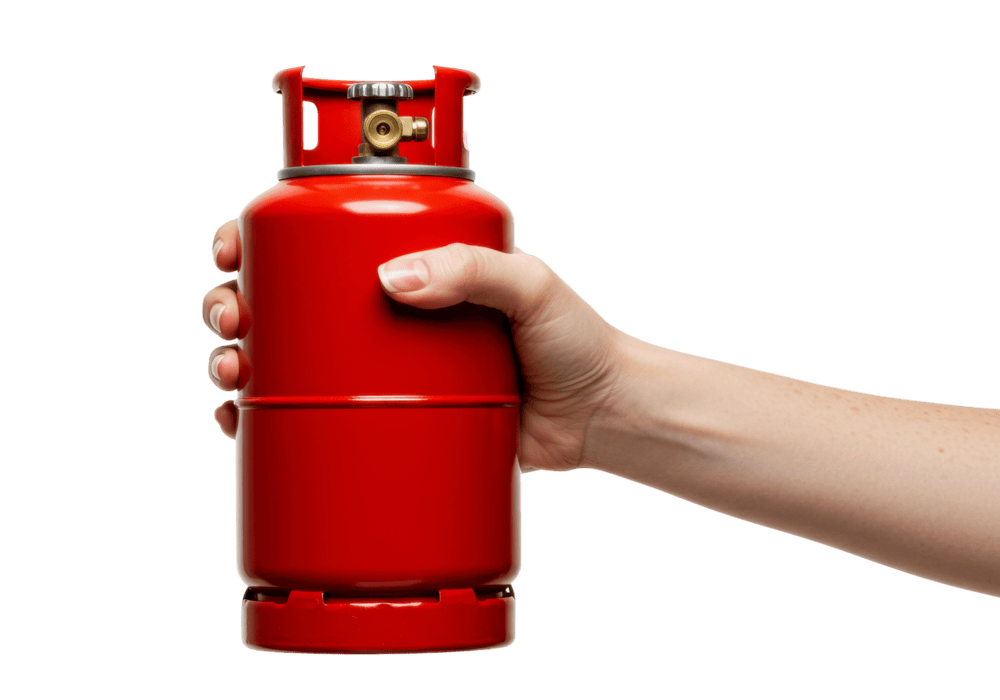
Gas cylinders are widely used in homes, restaurants, hotels, workshops, commercial kitchens, and many other places in Pakistan. They can provide an important source of fuel, but they also require careful safety management because a damaged cylinder, gas leak, poor ventilation, or nearby ignition source can create a serious emergency.
Gas-cylinder safety is therefore not only about preventing fires. It is also about recognizing hazards early, maintaining suitable surroundings, keeping evacuation routes available, and ensuring that people know what to do when an emergency occurs.
A complete fire-safety strategy should combine prevention with early warning and evacuation. A Fire alarm system in Pakistan can form an important part of this broader approach where a fire alarm system is required by the applicable building and fire-safety provisions.
Pakistan Engineering Council (PEC) maintains the Building Code of Pakistan Fire Safety Provisions 2016 and the Building Code of Pakistan 2021 as part of its published building codes and standards.
The following guide explains the importance of gas-cylinder safety and how responsible planning can reduce risks during an emergency.
1. Why Gas Cylinder Safety Matters
Gas-cylinder safety begins with understanding that fuel-related hazards can develop rapidly.
A cylinder itself is only one part of the overall safety picture. The surrounding environment, connected equipment, ventilation, electrical systems, ignition sources, storage arrangements, and human behaviour can all affect the level of risk.
For homes and businesses, prevention should focus on maintaining a safe environment and identifying problems before they become emergencies.
Important safety considerations include:
– Appropriate storage arrangements
– Good ventilation
– Regular inspection by qualified personnel
– Suitable equipment and connections
– Protection from physical damage
– Separation from inappropriate heat or ignition sources
– Clear emergency procedures
– Functional fire and alarm systems where applicable
No single safety measure can replace a complete fire-prevention strategy.
2. Gas Leaks Can Become an Emergency
A gas leak can create a dangerous situation, particularly in an enclosed or poorly ventilated area.
The most important principle is early recognition and immediate attention to safety.
People should not ignore unusual signs associated with a possible gas leak. Depending on the circumstances, warning signs may include an unusual gas odour or other indications of a problem with gas equipment.
If a person suspects a gas emergency, they should avoid experimenting with the equipment or attempting repairs themselves. The priority should be moving away from the hazard and following established emergency procedures, including contacting appropriate emergency services or qualified professionals.
Children should never be expected to investigate, repair, move, or disconnect a gas cylinder during an emergency.
3. Keep Gas Cylinders Away From Unnecessary Heat
Gas cylinders should be kept in locations appropriate for their intended use and protected from unnecessary exposure to heat.
Pakistan’s Directorate General of Civil Defence specifically advises keeping gas cylinders out of direct sunlight as part of its public safety awareness guidance.
This highlights an important principle: the environment around a cylinder matters.
Safety planning should consider:
– Direct sunlight
– Excessive heat
– Fire sources
– Poor ventilation
– Physical impact
– Crowded storage areas
– Uncontrolled access
A suitable location should be selected according to applicable safety requirements and professional guidance.
4. Ventilation Is an Important Safety Consideration
Ventilation is particularly important when dealing with gas-related hazards.
A confined space can allow leaked gas to accumulate, potentially increasing the danger.
For larger or specialized gas rooms, building-safety provisions can include specific ventilation requirements. The Building Code of Pakistan 2021, for example, contains provisions for certain gas rooms, including mechanical exhaust ventilation and negative-pressure arrangements in applicable hazardous-material settings.
For ordinary homes and businesses, the general lesson is simple: gas-related equipment should not be placed in unsuitable enclosed spaces without appropriate professional assessment.
Ventilation requirements can vary depending on the type of fuel, equipment, building, and application.
5. Never Ignore a Suspected Gas Emergency
People sometimes underestimate unusual smells or other signs because nothing appears to be burning.
That can be dangerous.
A gas-related emergency can exist before flames are visible. Early recognition gives occupants more time to move away from the hazard and obtain professional assistance.
The safest approach is to treat a suspected serious gas problem as an emergency rather than attempting to determine the cause through trial and error.
People should not:
– Investigate a suspected leak closely
– Attempt repairs without appropriate qualifications
– Use flames to search for a leak
– Operate equipment unnecessarily in a suspected hazardous area
– Allow children to approach the cylinder
– Delay evacuation when an immediate danger is suspected
Professional assistance should be obtained when equipment requires inspection or repair.
6. Fire Alarm Systems Provide Early Warning
A fire alarm system can help alert occupants when a fire condition is detected.
The Building Code of Pakistan Fire Safety Provisions 2016 contains requirements concerning fire alarm systems and audible and visible notification appliances. It also provides for emergency notification arrangements where required by the applicable provisions.
A Fire alarm system in Pakistan should therefore be considered as part of an overall life-safety strategy rather than as a replacement for gas-cylinder safety practices.
An alarm may provide valuable warning, but people still need:
– Clear evacuation routes
– Emergency procedures
– Suitable assembly arrangements
– Regular safety training
– Proper maintenance
– Responsible building management
Early warning and safe evacuation need to work together.
7. Gas Safety and Fire Detection Are Not the Same Thing
It is important to understand the difference between gas detection and fire detection.
A conventional smoke or heat detection system is designed for fire-related conditions. A gas detection system, where required for a particular application, is designed to detect specified gas hazards.
The Building Code of Pakistan 2021 includes specialized provisions for gas detection in certain hazardous-material applications. Those provisions describe gas detection systems that can provide audible and visual warnings and, in specified circumstances, activate gas-supply shutoff arrangements.
This does not mean every home or small business requires the same type of system.
The appropriate detection technology depends on the building, fuel, equipment, occupancy, risk assessment, and applicable requirements. Qualified professionals should determine the appropriate system for specialized installations.
8. Storage Areas Should Be Kept Organized
Poor organization can make an emergency more difficult.
Gas-related areas should not become cluttered with unnecessary materials, waste, combustible items, or unrelated equipment.
An organized environment makes it easier for responsible personnel to identify problems and maintain safe access.
Businesses should establish designated areas according to applicable requirements and ensure that unauthorized people, especially children, cannot access hazardous equipment.
Safety also includes preventing accidental damage caused by moving vehicles, heavy objects, or unsuitable storage practices.
9. Children Should Be Taught to Stay Away
Gas-cylinder safety education is especially important in homes and educational environments.
Children should learn basic safety principles such as:
– Stay away from gas cylinders and related equipment.
– Never play near fuel equipment.
– Never touch valves or connections.
– Tell a responsible adult if they notice something unusual.
– Follow evacuation instructions during an alarm.
– Do not return to an unsafe area.
Children should not be trained to repair gas equipment or manage an active gas emergency.
The goal of education should be recognition, prevention, communication, and evacuation.
10. Restaurants and Commercial Kitchens Need Extra Attention
Restaurants and commercial kitchens may use significant amounts of fuel and often operate for long hours.
These environments can contain multiple potential hazards, including cooking equipment, electrical appliances, combustible materials, ventilation systems, and fuel supplies.
Business operators should develop a comprehensive fire-safety programme that covers:
– Fuel equipment
– Cooking areas
– Electrical systems
– Fire detection
– Fire alarm systems
– Emergency exits
– Staff training
– Inspection and maintenance
– Emergency communication
Staff should understand the building’s evacuation arrangements and know how to respond to an alarm.
Any specialized gas equipment should be inspected and maintained by appropriately qualified personnel.
11. Keep Emergency Exits Clear
A gas emergency can require rapid evacuation.
For this reason, corridors, stairways, doors, and emergency exits should remain clear.
The Building Code of Pakistan includes requirements concerning means of egress and emergency evacuation arrangements. Fire alarm notification systems are also addressed within the Fire Safety Provisions.
Businesses should regularly inspect evacuation routes to make sure:
– Doors are accessible
– Corridors are unobstructed
– Exit signs remain visible
– Emergency lighting is maintained where required
– Assembly areas are identified
– Employees understand evacuation procedures
A clear exit can be just as important as an early warning.
12. Do Not Attempt DIY Repairs
One of the most important safety principles is knowing when not to intervene.
Gas equipment can involve pressure, fuel, valves, regulators, connections, and other components that require appropriate knowledge and qualifications.
A person without suitable training should not attempt to repair, modify, or troubleshoot gas-cylinder equipment.
DIY repairs may create additional hazards and can interfere with safety systems.
When equipment appears damaged or abnormal, the appropriate response is to keep people away from the hazard and seek assistance from qualified professionals.
13. Regular Inspection Helps Prevent Problems
Safety systems require maintenance.
Gas-related equipment should be inspected according to the manufacturer’s requirements, applicable regulations, and qualified professional guidance.
Inspections may help identify:
– Physical damage
– Corrosion
– Deteriorated components
– Unsuitable connections
– Problems with surrounding areas
– Ventilation concerns
– Equipment that requires replacement
The exact inspection requirements vary according to the equipment and application.
Businesses should keep appropriate maintenance records so that responsible personnel can understand when inspections and servicing have taken place.
14. Fire Alarm Maintenance Is Also Important
Installing a fire alarm system is only the beginning.
A system that is not maintained may fail to provide the expected warning during an emergency.
Maintenance programmes should cover relevant components according to the system design and applicable requirements.
PEC’s engineering framework recognizes installation, commissioning, and maintenance of fire detection, alarm, and suppression systems as a specialized engineering area.
For businesses, this reinforces the importance of using appropriately qualified professionals for specialized fire-protection work.
15. Emergency Plans Should Be Simple
A complicated emergency plan may be difficult to remember under stress.
Organizations should develop clear procedures covering:
1. How an emergency is reported
2. How occupants are warned
3. Which exits should be used
4. Where people should assemble
5. Who is responsible for contacting emergency services
6. How staff account for occupants
7. How vulnerable people are assisted
8. Who is authorized to manage technical equipment
The plan should be communicated to employees and reviewed periodically.
16. Fire Drills Improve Preparedness
A written plan is not enough if nobody knows how it works.
Appropriate fire drills can help employees and occupants become familiar with evacuation routes and assembly areas.
The Directorate General of Civil Defence provides fire-prevention and safety training and lists fire-safety courses through its training network in Pakistan. Its current training schedule includes Fire Prevention & Safety Courses in several cities.
Organizations can use appropriate training and exercises to improve awareness without asking untrained people to handle dangerous equipment.
17. Restaurants, Shops, and Offices Should Have Responsible Personnel
Every workplace should know who is responsible for fire-safety coordination.
Responsibilities can include:
– Checking that exits remain accessible
– Communicating emergency procedures
– Arranging appropriate inspections
– Maintaining safety records
– Coordinating evacuation drills
– Reporting hazards
– Ensuring employees understand alarm signals
Responsibility should be clearly assigned rather than assumed.
For larger properties, professional fire-safety assessments may be appropriate.
18. What to Do During a Serious Gas Emergency
During a suspected serious gas emergency, the priority should be people, not property.
Occupants should move away from the danger and follow the building’s emergency plan.
People should not remain in a hazardous area simply to investigate the source, collect belongings, or attempt repairs.
If evacuation is required:
– Follow designated emergency routes.
– Move to the established assembly location.
– Keep away from the affected area.
– Follow instructions from emergency responders.
– Do not return until the area has been declared safe by the appropriate authority.
Children should immediately tell a responsible adult and follow evacuation instructions.
19. Why Businesses Need a Complete Fire-Safety Strategy
Gas-cylinder safety should not exist separately from other safety measures.
A complete strategy may include:
– Fire prevention
– Gas-safety management
– Fire detection
– Fire alarms
– Emergency lighting
– Emergency exits
– Fire protection systems
– Staff training
– Evacuation planning
– Routine inspection
– Professional maintenance
The Building Code of Pakistan recognizes multiple fire and life-safety systems, and PEC continues to publish and maintain relevant building-code resources.
This integrated approach helps ensure that one safety measure does not become the only line of defence.
20. Creating a Gas-Cylinder Safety Checklist
Property managers can use a simple checklist as part of their broader safety programme:
Gas-Cylinder Safety Checklist
– Is the cylinder located in an appropriate area?
– Is it protected from unnecessary heat and direct sunlight?
– Is the surrounding area organized and free from inappropriate materials?
– Is adequate ventilation provided where required?
– Are children and unauthorized persons kept away?
– Are emergency exits clear?
– Are alarm systems maintained?
– Are emergency procedures documented?
– Do employees know the evacuation route?
– Are inspections and maintenance records available?
– Are damaged or questionable components referred to qualified professionals?
The checklist should complement, not replace, applicable regulations and professional inspection.
21. The Importance of Professional Fire-Safety Support
Fire safety involves technical decisions that may depend on building size, occupancy, fuel type, equipment, construction, and local requirements.
For complex commercial or industrial properties, professional assessment can help determine suitable fire detection, alarm, suppression, ventilation, and emergency arrangements.
PEC recognizes fire detection, alarm, and suppression system installation, commissioning, and maintenance as a specialized engineering field.
Organizations should therefore avoid treating fire protection as a purely do-it-yourself project.
Gas Cylinder Safety in Pakistan
Gas-cylinder safety is particularly important in Pakistan because cylinders may be used in homes, commercial kitchens, restaurants, businesses, and industrial environments.
The safest approach is based on prevention, professional maintenance, early warning, and evacuation readiness.
The Directorate General of Civil Defence also operates training facilities in cities including Karachi, Lahore, Islamabad, Quetta, Peshawar, Faisalabad, and Muzaffarabad, supporting broader fire-prevention and emergency-preparedness education.
For businesses considering fire-protection solutions, “Fire Safety Trading” (https://Firesafetytrading.com.pk) provides a relevant starting point for exploring fire-safety equipment and systems in Pakistan.
Final Thoughts
Gas-cylinder safety can save lives because prevention reduces the likelihood of an emergency becoming a major incident.
The most important principles are straightforward: maintain suitable surroundings, avoid unauthorized handling, ensure appropriate inspection, keep evacuation routes clear, educate occupants, and use suitable detection and alarm systems where required.
A Fire alarm system in Pakistan can form an important part of an integrated fire-safety programme, but an alarm should work alongside safe building design, emergency exits, evacuation planning, maintenance, and trained personnel.
Most importantly, people should know when not to intervene. Gas emergencies can involve serious hazards, and untrained individuals—especially children—should move away from danger and seek help rather than attempting repairs or handling the equipment.
Good fire safety is not about waiting for an emergency. It is about preparing before one happens.
Frequently Asked Questions
1. Why is gas-cylinder safety important?
Gas-cylinder safety helps reduce the possibility of fires, gas-related emergencies, and other hazards. Proper storage, suitable surroundings, inspection, professional maintenance, and emergency planning are important parts of prevention.
2. Can a fire alarm system detect a gas leak?
A conventional fire alarm system is primarily designed for fire-related detection and notification. Specialized gas detection systems are designed for particular gas hazards and may be required in certain applications. The appropriate system depends on the building and risk assessment.
3. What should children do if they suspect a gas emergency?
Children should not touch, move, repair, or investigate gas equipment. They should immediately move away from the suspected hazard, tell a responsible adult, and follow the building’s evacuation instructions.
4. How often should gas-cylinder equipment be inspected?
Inspection and maintenance schedules depend on the type of cylinder, equipment, installation, manufacturer requirements, and applicable regulations. Qualified professionals should determine the appropriate inspection and servicing requirements.
5. Why are emergency exits important during a gas-related emergency?
A serious gas emergency may require people to leave an area quickly. Clear emergency exits and established evacuation routes help occupants move away from danger and reach a safer location.