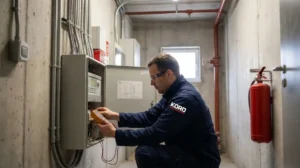
Fire alarms are one of the most important safety installations in any home, office, factory, or commercial building in Pakistan. They give people the earliest possible warning of smoke or fire, which means more time to evacuate safely and less damage to property. But when people start researching fire alarms, one question comes up again and again: what are the two types of fire alarms? In this guide, we will break down the two main types of fire alarm systems in simple language, explain how they work, and cover the fire alarm system price in Pakistan so you can plan your safety budget with confidence.
Whether you are protecting a small retail shop in a local market or a multi-floor corporate building, understanding these two categories will help you have a more informed conversation with any fire safety supplier and avoid paying for more, or less, system than your building actually needs.
What Are the Two Main Types of Fire Alarm Systems?
Fire Safety Trading (Pvt)
ToggleWhen fire safety professionals talk about the two types of fire alarms, they are usually referring to Conventional Fire Alarm Systems and Addressable Fire Alarm Systems. Both types detect smoke or heat and trigger an alarm, but they work in very different ways and suit different kinds of buildings.
1. Conventional Fire Alarm System
A conventional fire alarm system is the simpler and more traditional option. The building is divided into different zones, and each zone has its own wiring circuit connecting several smoke detectors, heat detectors, and manual call points back to a central control panel. When a detector in a zone senses smoke or heat, it sends a signal to the panel, and the panel lights up the zone where the problem was detected.
This type of system does not tell you the exact detector that triggered the alarm, only the general area, or zone. That makes it a good fit for smaller buildings such as shops, small offices, guest houses, and single-floor homes, where finding the source of an alarm within a zone is quick and easy. Conventional systems are also more budget-friendly, which is one reason they remain popular across Pakistan.
2. Addressable Fire Alarm System
An addressable fire alarm system works on the same basic idea, but with one major upgrade: every single detector and call point is given its own unique address on the circuit. When an alarm is triggered, the control panel identifies the precise device that raised the alert, right down to the individual room or corridor.
This is a huge advantage in large or multi-story buildings such as hospitals, shopping malls, factories, hotels, and corporate towers, where knowing the exact location of a fire saves valuable time during an emergency. Addressable systems are also easier to expand and maintain over the years, since technicians can pinpoint faults device by device instead of testing an entire zone.
Other Ways Fire Alarms Are Classified
Apart from conventional and addressable systems, you may also come across two more categories worth knowing about, since these terms are often searched alongside the topic of fire alarm types:
- Wireless Fire Alarm Systems – these use radio signals instead of cables to connect detectors with the control panel, making them ideal for heritage buildings or sites where running new wiring is difficult.
- Intelligent Fire Detection Systems – an advanced version of the addressable system where each detector has built-in processing power to analyse conditions and reduce false alarms.
For most homeowners and business owners in Pakistan, however, the real decision usually comes down to the two core types: conventional versus addressable.
Smoke Detectors vs Heat Detectors: What’s Inside Every Fire Alarm System
Whether you choose a conventional or an addressable system, the detectors themselves are what actually sense a fire. It helps to know the difference between the two most common kinds:
- Smoke detectors – these react to smoke particles in the air using optical or ionisation sensing, and they are usually the first line of defence in bedrooms, offices, and corridors.
- Heat detectors – these respond when the surrounding temperature rises above a set point, or rises very quickly, and are better suited to kitchens, garages, and workshops where smoke or steam from normal activity could otherwise trigger false alarms.
Many buildings in Pakistan use a mix of both, along with manual call points, so that people can also trigger the alarm by hand if they spot a fire before the detectors do.
Signs Your Building Needs a New or Upgraded Fire Alarm System
It is not always obvious when a fire alarm system needs attention. A few warning signs to watch for include:
- Detectors that are more than eight to ten years old, since sensors lose accuracy with age.
- Frequent false alarms, which often point to dust build-up or a failing sensor.
- A building that has been extended, renovated, or had extra rooms added since the system was first installed.
- No documented maintenance or testing records for the past year.
- A control panel that shows fault lights but has never been inspected by a technician.
If any of these apply to your property, it is worth arranging a professional inspection before relying on the system in an actual emergency.
Fire Alarm System Price in Pakistan
One of the most searched questions after understanding the types of fire alarms is the fire alarm system price in Pakistan. The honest answer is that there is no single fixed price, because the cost depends on several factors specific to your building and requirements.
Here are the main factors that affect the fire alarm system price in Pakistan:
- Type of system – conventional systems are generally cheaper than addressable or intelligent systems.
- Building size and number of zones or devices required.
- Brand and quality of the control panel, detectors, and sounders.
- Number of floors and complexity of wiring or cabling.
- Whether the project also needs design, consultancy, or NOC documentation.
- Ongoing testing, servicing, and annual maintenance contracts.
A small shop or single-room office with a basic conventional panel and a handful of detectors will cost far less than a multi-floor commercial plaza fitted with an addressable system covering dozens of zones. Because every site is different, the most reliable way to know your exact fire alarm system price in Pakistan is to share your building layout and requirements with a certified supplier and request a written quotation, rather than relying on a generic online figure.
Why Regular Fire Alarm Maintenance Matters
Buying and installing a fire alarm system is only half the job. A system that is not tested and serviced regularly can fail silently, leaving a building completely unprotected without anyone realising it. Batteries lose charge, dust builds up inside smoke detectors, and wiring connections can loosen over time.
That is why routine inspection is just as important as installation. Professional fire alarm maintenance and testing services make sure every detector, sounder, and control panel in your building is working exactly as it should, so your fire alarm system is ready the moment it is needed.
A good maintenance routine typically includes testing and calibrating detectors, checking the control panel and annunciators, verifying battery health, inspecting wiring, and keeping a proper fire safety logbook. Most fire safety standards recommend weekly checks by building staff along with a full professional inspection at regular intervals throughout the year.
Choosing the Right Fire Alarm System for Your Building
If you are still deciding between the two types of fire alarms, here is a simple way to think about it:
- Choose a conventional system if you run a small shop, clinic, guest house, or single-floor home and want a cost-effective, reliable option.
- Choose an addressable system if you manage a large commercial building, factory, hospital, hotel, or multi-story plaza where pinpointing the exact location of a fire is critical.
A qualified fire safety consultant can inspect your premises, calculate the number of zones or devices required, and recommend the system type that best matches both your safety needs and your budget.
10 Frequently Asked Questions About Fire Alarm Types and Pricing
- What are the two main types of fire alarms?
The two main types of fire alarm systems are conventional fire alarm systems, which detect fire by zone, and addressable fire alarm systems, which identify the exact device that triggered the alarm.
- Which type of fire alarm is better for a small building?
A conventional fire alarm system is usually the better and more affordable choice for small shops, clinics, guest houses, and single-floor homes.
- Which type of fire alarm is best for large commercial buildings?
Addressable fire alarm systems are recommended for large or multi-story buildings such as hospitals, hotels, malls, and factories because they pinpoint the exact location of an alarm.
- What is the average fire alarm system price in Pakistan?
The fire alarm system price in Pakistan varies widely based on system type, building size, number of devices, and brand. A written quotation based on your building layout gives the most accurate figure.
- Does the price of a fire alarm system include installation?
Most suppliers in Pakistan quote a combined price covering equipment, cabling, and installation, but it is always best to confirm what is included before signing a contract.
- How often should a fire alarm system be tested?
Fire alarm systems should be checked weekly by building staff and undergo a full professional inspection and service at regular intervals throughout the year to stay compliant with fire safety standards.
- Can an old fire alarm system be upgraded instead of replaced?
Yes, many existing fire alarm systems can be inspected, repaired, or upgraded with additional devices instead of a full replacement, which can reduce overall cost.
- What devices are included in a typical fire alarm system?
A typical fire alarm system includes smoke detectors, heat detectors, a control panel, manual call points, sounders, and in many cases strobe lights for visual alerts.
- Do wireless fire alarm systems cost more than wired systems?
Wireless fire alarm systems can cost more per device upfront, but they often save money on installation because they avoid extensive cabling work, especially in older buildings.
- How do I get an accurate fire alarm system price for my building in Pakistan?
The most accurate way is to share your building size, floor plan, and safety requirements with a certified fire safety company so they can prepare a customised quotation for your project.
Final Thoughts
Understanding the two types of fire alarms, conventional and addressable, is the first step toward choosing the right protection for your property. Once you know which system fits your building, the next priority is working with a trusted supplier who can guide you on accurate pricing and keep your system properly maintained for years to come.
Fire safety is not a one-time purchase, it is an ongoing responsibility. A well-chosen system, installed correctly and tested on schedule, gives everyone inside a building the best possible chance of staying safe if the worst happens. Take the time to assess your property honestly, ask suppliers for a clear breakdown of costs, and never skip the annual inspection just to save a small amount of money in the short term.
If you want expert guidance on system selection, installation, or ongoing fire alarm maintenance and testing in Pakistan, reach out to a certified fire safety provider for a free consultation and customised quotation tailored to your building.