
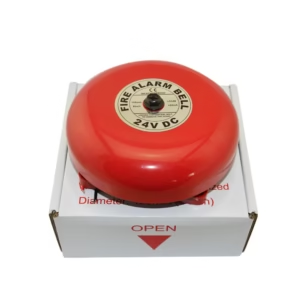
Best Fire Alarm Bells for Buildings in Pakistan

Fire safety is one of the most critical considerations for buildings, whether residential, commercial, industrial, or institutional. In Pakistan, increasing urbanization and rising construction activity mean that safety systems must keep pace with development. Among all fire safety devices, Best Fire Alarm Bells play a central role in alerting occupants quickly, giving them time to evacuate and minimize loss of life and property.
This comprehensive guide explores everything you need to know about fire alarm bells — from why they matter, how they work, what types are best suited for different buildings, what standards to follow in Pakistan, and how to choose the right systems that will protect your property effectively. By the end of this article, you will have a clear roadmap to choosing the right fire alarm bell system.

Before we begin, if you are looking to install a reliable fire alarm system in your building, you can check out premium solutions at this link: https://firesafetytrading.com.pk/fire-alarm-system/.

What Are Fire Alarm Bells and Why Are They Important?

A fire alarm bell is an audible signaling device that alerts people when a fire emergency is detected. Unlike sirens or voice evacuation systems, bells emit a distinct ringing sound designed to capture attention instantly. In crowded buildings, this type of alert is crucial because it can cut through background noise and ensure that people recognize the danger without confusion.

The Basic Function

Fire alarm bells are connected to a fire alarm control panel (FACP). When a smoke detector, heat detector, or manual call point detects fire, it sends a signal to the control panel. The control panel then triggers the alarm bells, producing a loud sound to warn occupants.

Why Fire Alarm Bells Matter in Pakistan

Buildings in Pakistan, especially in major cities like Karachi, Lahore, Islamabad, and Rawalpindi, continue to rise taller and accommodate more people. Rapid urban expansion increases the risk of fire emergencies due to electrical faults, kitchen fire incidents, industrial hazards, and more.

Fire alarm bells play an essential role because:

• They provide immediate notification.

• They are loud and effective even in noisy environments.

• They work alongside other fire protection devices.

• They are cost‑effective and easy to maintain.

In Pakistan, where emergency response times can vary depending on traffic and accessibility, the early warning from a fire alarm bell can save lives.

Key Components of a Fire Alarm System

Before selecting the Best Fire Alarm Bells, it’s important to understand the major components of a fire detection and alarm system.

Fire Detection Devices

Fire detection devices sense signs of fire such as heat or smoke. Common types include:

Smoke Detectors – Detect combustion particles.

Heat Detectors – Detect a rapid rise in temperature.

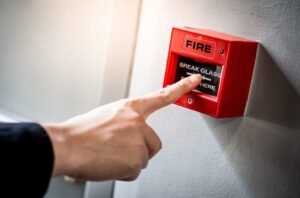
Manual Call Points / Pull Stations – Allow people to manually trigger the alarm.

Control Panel

The control panel receives signals from detectors and initiates alerts. It is the system’s “brain,” responsible for managing inputs and outputs.

Notification Devices

These include bells, horns, sirens, and speakers that alert occupants.

Fire alarm bells are part of this group. They are reliable and effective where visual alerts or voice messages alone may not be enough.

Power Supply

Fire alarm systems require reliable power with battery backup in case of electricity failure.

Wiring and Cabling

Quality wiring ensures that signals transmit quickly and correctly. In Pakistan, wiring standards should meet local fire safety codes.

Understanding Types of Fire Alarm Bells

Fire alarm bells come in different designs and specifications. The choice of bell depends on application, volume requirement, installation environment (indoor or outdoor), and building size.

1. Electromechanical Fire Alarm Bells

These are the most traditional type of fire alarm bells. They contain mechanical components that strike a bell to produce sound.

Benefits:

• Strong, sharp ringing sound.

• Reliable and simple technology.

• Cost‑effective.

Limitations:

• Less adaptable to complex sound patterns.

• May require periodic mechanical maintenance.

2. Electronic Fire Alarm Bells

Electronic bells use electronic circuits to generate alert sound.

Benefits:

• Can produce multiple tones.

• Easy to integrate with modern control panels.

• Often lighter and more compact.

Limitations:

• Slightly higher cost than basic mechanical bells.

• Quality depends on manufacturing standards.

3. Weather‑Resistant Bells (for Outdoors)

Fire alarm bells installed outdoors need to withstand Pakistan’s harsh climate — high temperatures, dust, humidity, and seasonal rains.

Features:

• UV resistant casing.

• Waterproofing for rainy seasons.

• Rust‑proof materials.

4. High‑Decibel Alarm Bells

Some large buildings require alarm bells with higher sound output so that alerts can reach distant areas or large spaces like warehouses or auditoriums.

Note: Sound level is measured in decibels (dB). For open areas or large buildings, higher dB rating is recommended.

How to Choose the Best Fire Alarm Bells for Your Building

Selecting the right fire alarm bells depends on several factors. Understanding these ensures that you choose devices that comply with safety standards and deliver optimal performance.

Coverage Area

First, identify how much space the alarm bell needs to cover.

• Small offices or homes: Standard bells are sufficient.

• Mid‑sized commercial spaces: Bells with higher sound output.

• Warehouses or large facilities: High‑decibel bells with multiple units.

Noise Level Requirements

Different spaces have different ambient noise levels.

• Quiet environments (offices): 75–85 dB may be adequate.

• Noisy environments (factories): Consider 90 dB or above.

Indoor vs Outdoor

Outdoor bells need better protection against weather. Ensure bells have IP (Ingress Protection) ratings indicating dust and water resistance.

Integration with Control Panel

Ensure compatibility with your fire alarm control panel. Brands often list compatible devices.

Local Regulations and Standards

In Pakistan, fire safety codes are influenced by international practices. Ensure products meet recognized standards such as UL (Underwriters Laboratories) or CE certifications.

Ease of Maintenance

Choose devices that are easy to test and maintain. Regular servicing keeps systems functional and compliant.

Budget and Quality

Balance cost with quality. Extremely cheap bells may fail during critical moments. Invest in reliable products from reputable suppliers.

Top Fire Alarm Bell Brands Available in Pakistan

Pakistan’s fire safety market offers multiple brands — from international to local manufacturers. Here are some options often recommended by fire safety professionals:

1. Edwards / System Sensor

Known for high reliability and compatibility with many systems.

2. Hochiki

A Japanese brand with strong performance and durability.

3. Apollo

British‑made detectors and bells with excellent quality.

4. Local Pakistani Brands

Many local brands offer cost‑effective alternatives, but always check quality certifications.

5. Combined Horn & Bell Units

These devices provide visual and audible alerts and are suitable for larger spaces.

Fire Alarm Bell Specifications Pakistani Buyers Should Know

When reviewing product specifications, focus on the following parameters:

Sound Output (Decibels)

Louder bells are needed for larger areas.

Voltage Requirements

Most systems in Pakistan run on 24 V DC. Verify power compatibility.

Weather Protection Rating (IP Rating)

For outdoor use, a higher rating like IP66 is ideal.

Mounting Type

Wall‑mounted bells are common, but ceiling mounting may be required for some buildings.

Material Build

Metal bells tend to be more durable than plastic ones.

Installation Best Practices for Fire Alarm Bells

Correct installation is crucial for the system’s efficiency and compliance. Poor installation can result in delayed alerts or false alarms.

Positioning

Alarm bells should be placed where they can cover maximum area. Corners or central locations are often ideal.

Wiring

Use quality fire‑rated cables. Ensure secure connections and avoid loose wiring that can cause faults.

Testing After Installation

Once installed, perform a full system test. Confirm that bells respond when detectors are triggered.

Regular Maintenance

Fire alarm systems should be tested every 6 months. Regular maintenance ensures bells and detectors are fully functional.

Fire Alarm Bell Maintenance in Pakistan’s Climate

Pakistan’s weather ranges from extreme heat to monsoon humidity. These conditions can affect fire safety devices if not properly maintained.

Heat and Dust Challenges

High temperatures and dust accumulation can affect electronic components. Regular cleaning and protective casing help prolong life.

Monsoon and Moisture

Interior moisture may lead to corrosion or false alarms. Outdoor bells should be waterproof.

Seasonal Inspection

Conduct pre‑monsoon and pre‑winter inspections to ensure all equipment functions as intended.

Common Misconceptions about Fire Alarm Bells

There are misconceptions that can compromise safety decisions. Let’s clarify them:

Myth 1: A Fire Alarm Speaker Is Better Than a Bell

Answer: Both have their place. Bells are universal and effective for most buildings. Speakers may be needed for voice evacuation in complex facilities.

Myth 2: One Bell Is Enough for Any Building

Answer: Larger buildings need multiple bells to ensure coverage. A single bell cannot cover multi‑storey spaces.

Myth 3: They Are Noisy and Disturbing

Answer: Bells are meant to be loud — that is their purpose. However, they should be installed strategically to balance alerting function with comfort.

Fire Alarm Bells vs. Other Notification Devices

Understanding how alarm bells compare to other systems helps choose the best solution.

Bells vs Sirens

Bells: Simple, loud, effective.

Sirens: More aggressive sound patterns, sometimes used in industrial settings.

Bells vs Voice Evacuation Systems

Voice systems give instructions (“exit through nearest door”).

Bells provide a universal alert signal.

Often, high‑end systems combine both.

Fire Alarm Systems in Pakistan — Codes & Standards

While Pakistan does not yet have a single unified fire code enforced nationwide, many buildings follow international standards, including:

• NFPA (National Fire Protection Association)

• UL and CE certifications

These standards ensure that fire alarm bells and other devices perform reliably under stress.

Affordable Yet Reliable Fire Alarm Bells for Pakistani Buildings

Price is often a deciding factor, especially for small businesses and residential buyers. Pakistan offers a range of options:

• Mid‑range bells with IP protection.

• International brands with proven performance.

• Local brands with cost advantages.

The key is to ensure that the device meets safety standards and has warranty support.

Why Professional Consultation Matters

Selecting and installing fire alarm bells isn’t just about picking a device. You need expert assessment of your building layout, occupancy type, and hazard risk profile. Professional fire safety consultants can:

• Conduct risk assessments.

• Customize system design.

• Advise on standards and local regulations.

• Provide after‑sales support.

If you want a reliable system installer in Pakistan, explore the options at https://firesafetytrading.com.pk/fire-alarm-system/.

Case Study: Fire Alarm Bell Implementation in a Commercial Building

Let’s consider a real‑world example where proper fire alarm bell selection made a difference.

A nine‑storey commercial building in Lahore was experiencing multiple electrical incidents. The building manager installed a networked fire alarm system with high‑decibel bells on each floor, connected to centralized control. Regular testing and maintenance ensured the system reacted without fail when simulated fire drills were run.

Result: Staff quickly evacuated during a small fire incident without panic due to clear alerts. The supplier also provided follow‑up service every quarter.

This example highlights that the Best Fire Alarm Bells are not just devices — they are parts of a proactive safety strategy.

Cost Factors of Fire Alarm Bells in Pakistan

Several elements determine final cost:

• Brand and quality.

• Decibel rating.

• Weather protection.

• Installation complexity.

• Integration with control panels.

Expect higher prices for international brands and bells with advanced features, but these often offer longer life and reliability.

Top Installation Mistakes to Avoid

Avoid these common errors:

• Under‑estimating required sound coverage.

• Improper wiring or loose connections.

• Installing bells too far from high‑risk areas.

• Using indoor bells outdoors without weather protection.

• Ignoring maintenance.

Integration with Other Fire Safety Measures

A fire alarm bell is just one part of a fire safety ecosystem. To protect your building comprehensively, pair bells with:

Fire extinguishers.

• Smoke and heat detectors.

• Fire sprinkler systems.

• Emergency lighting.

• Clear evacuation signage.

Together they create a robust defense against fire emergencies.

Conclusion

In Pakistan’s growing urban landscape, protecting lives and property is not optional, it’s essential. The Best Fire Alarm Bells are those that deliver clear, reliable alerts, integrate seamlessly into your fire detection system, and stand up to local environmental conditions.

Whether you manage an office, factory, apartment building, school, or hotel, choosing the right bells ensures that your fire safety system performs when it matters most. Consider coverage area, decibel ratings, weather resistance, and compliance with recognized standards.

Finally, partnering with experienced suppliers and installers ensures that the investment in fire safety delivers real protection. To explore trusted fire alarm systems suitable for your building, visit https://firesafetytrading.com.pk/fire-alarm-system/.

Frequently Asked Questions (FAQs)

1. What makes a fire alarm bell one of the best choices for building safety?
Fire alarm bells provide immediate, easily recognizable sound alerts that are effective across different building types. Their reliability and simplicity make them essential for any fire alarm system.

2. How loud should a fire alarm bell be for commercial buildings in Pakistan?
Commercial spaces typically require bells with a sound output between 85–100 dB, depending on size and ambient noise levels.

3. Can fire alarm bells be used outdoors in Pakistan’s climate?
Yes, but outdoor bells must have weather‑resistant casing and high IP ratings to withstand dust, heat, and rain.

4. Are electronic bells better than electromechanical ones?
Electronic bells offer flexible tones and modern integration, while electromechanical bells are durable and cost‑effective. Choice depends on building requirements.

5. How often should fire alarm bells be tested?
Testing should occur at least every six months to ensure proper function.

6. Can one fire alarm bell cover an entire building?
No, large buildings require multiple bells strategically placed to ensure uniform coverage.

7. Do fire alarm bells require a special power supply?
They usually operate on a 24 V DC system with battery backup to ensure functionality during power outages.

8. What standards should fire alarm bells meet in Pakistan?
International standards like UL and CE are good indicators of product reliability and performance.

9. How much does a quality fire alarm bell cost in Pakistan?
Prices vary by brand, sound level, and features. International brands cost more, but local options can be reliable if certified.

10. Where can I get professional fire alarm system solutions in Pakistan?
A reputable source for comprehensive fire alarm systems, including bells, is available at https://firesafetytrading.com.pk/fire-alarm-system/.

Manual Call Point vs Automatic Fire Alarm Devices: A Complete Guide for Pakistan

Fire safety is a crucial concern in Pakistan, where residential, commercial, and industrial spaces are at constant risk of fire hazards. Installing an effective fire alarm system can save lives, reduce property damage, and ensure compliance with safety regulations. Among the essential components of fire detection systems are Manual Call Points (MCPs) and Automatic Fire Alarm Devices (AFADs). Understanding the difference between these two and knowing when to use them is vital for business owners, facility managers, and homeowners alike.

What is a Manual Call Point?

A Manual Call Point is a fire safety device designed to allow individuals to manually trigger a fire alarm when they detect a fire or smoke. Typically installed in easily accessible locations, such as near exits or along corridors, MCPs are crucial in providing immediate alerts to occupants and emergency services.

Manual Call Points are straightforward in design, often requiring the user to press or break a glass panel to activate the alarm. Despite advances in automated fire detection technology, MCPs remain indispensable because they give humans the power to act quickly in emergency situations, even before the fire reaches automatic sensors.

Key Features of Manual Call Points

  • Human Activation: Requires someone to spot the fire and operate the device.

  • Visibility: Usually installed in prominent locations for easy access.

  • Reliability: Simple mechanical or electronic mechanism reduces chances of failure.

  • Integration: Works with central fire alarm panels to alert the entire building.

In Pakistan, MCPs are widely used in offices, schools, hospitals, and industrial facilities due to their simplicity and efficiency.

What are Automatic Fire Alarm Devices?

Automatic Fire Alarm Devices (AFADs) are sensors that detect fire-related phenomena like smoke, heat, or flame automatically, without human intervention. They are designed to respond immediately to fire conditions, often before humans even notice the threat.

AFADs come in various types:

  • Smoke Detectors: Sense smoke particles in the air.

  • Heat Detectors: Trigger when a specific temperature is reached or a rapid rise in temperature occurs.

  • Flame Detectors: Detect the presence of flames using optical or ultraviolet sensors.

Automatic fire alarms are ideal for early detection, especially in large or high-risk areas where a manual response might be delayed.

Key Features of Automatic Fire Alarm Devices

  • Immediate Response: Detects fire instantly and alerts occupants.

  • Continuous Monitoring: Works 24/7 without the need for human intervention.

  • Advanced Technology: Often integrated with fire suppression systems for automatic action.

  • Flexibility: Can be tailored for different environments, such as warehouses, server rooms, or kitchens.

In Pakistan, AFADs are increasingly adopted in modern commercial buildings, industrial plants, and high-rise apartments.

Manual Call Point vs Automatic Fire Alarm Devices: Main Differences

Understanding the distinctions between MCPs and AFADs helps in designing a comprehensive fire safety strategy.

Feature Manual Call Point Automatic Fire Alarm Device
Activation Human-operated Sensor-based, automatic
Response Time Depends on human action Immediate upon detecting fire indicators
Cost Generally lower Higher, depends on technology
Installation Easy, requires minimal wiring Requires careful planning and sensor calibration
Coverage Limited to installed points Can cover larger areas continuously
Maintenance Minimal Needs periodic testing and calibration

While both devices serve the same goal of alerting people about fire hazards, they are best used together to maximize safety. Manual Call Points empower occupants to raise alarms quickly, while automatic devices ensure early detection even when no one is around.

Why Manual Call Points are Essential in Pakistan

Despite technological advancements, MCPs remain critical in the Pakistani context due to several reasons:

  1. Reliability in Power Outages: Many areas in Pakistan experience electricity shortages. Manual Call Points often work mechanically or have battery backups, making them dependable during outages.

  2. Low Maintenance: MCPs require less technical expertise for maintenance compared to automatic sensors.

  3. Cost-Effective: Budget constraints in many Pakistani businesses and schools make MCPs a practical choice.

  4. Legal Compliance: Many fire safety regulations in Pakistan mandate the installation of MCPs in commercial buildings and public spaces.

For more information on integrating fire safety solutions in your facility, you can visit this link.

Advantages of Automatic Fire Alarm Devices in Pakistan

Automatic devices complement MCPs by offering features that are particularly valuable in high-risk areas:

  • Early Detection: Essential for preventing fire escalation in factories and warehouses.

  • 24/7 Protection: Useful for office buildings, hospitals, and data centers that require round-the-clock monitoring.

  • Integration with Suppression Systems: Many AFADs can directly trigger fire suppression systems, minimizing damage.

  • Remote Monitoring: Modern systems allow real-time alerts via mobile or computer systems.

AFADs are increasingly adopted in urban centers like Karachi, Lahore, and Islamabad, where large commercial complexes and high-rise buildings are more prone to fire hazards.

How to Choose Between MCPs and Automatic Fire Alarm Devices

Selecting the right fire alarm strategy depends on your building type, budget, and safety requirements. Consider the following:

  1. Building Size: Small offices may rely more on MCPs, while large industrial facilities benefit from AFADs.

  2. Occupancy Levels: High-occupancy areas need automatic sensors for early warning.

  3. Fire Risk: Facilities dealing with flammable materials should invest in AFADs.

  4. Budget: MCPs are cost-effective, while AFADs require higher upfront investment but provide enhanced safety.

  5. Regulatory Requirements: Compliance with Pakistan’s National Fire Protection regulations may dictate specific installations.

The ideal approach often combines Manual Call Points and Automatic Fire Alarm Devices for a comprehensive safety system.

Installation Guidelines for Manual Call Points in Pakistan

Installing MCPs correctly is vital to ensure quick response during emergencies. Here are best practices:

  • Install MCPs near exits, staircases, and corridors.

  • Position them at a height of 1.4 meters from the floor for easy access.

  • Ensure clear signage so occupants can locate them quickly.

  • Regularly test MCPs to verify proper functioning.

  • Integrate them with the central fire alarm panel for instant notifications.

Installation Guidelines for Automatic Fire Alarm Devices

For AFADs, installation is more technical:

  • Smoke detectors should be installed on ceilings or high walls.

  • Heat detectors must be placed where temperature rise is most likely.

  • Flame detectors should have a clear line of sight to high-risk areas.

  • Avoid locations near air vents or humid areas to prevent false alarms.

  • Conduct regular system checks and maintenance to ensure sensor accuracy.

Combining Manual Call Points and Automatic Devices

A combination of both systems provides a layered defense against fires:

  • MCPs allow humans to respond immediately if they spot a fire.

  • AFADs detect fires early, even when the building is empty.

  • Integration ensures that alarms, notifications, and suppression systems work together efficiently.

For example, in a commercial building in Lahore, MCPs near exits allow employees to raise alarms, while smoke detectors in server rooms and kitchens ensure continuous monitoring.

Maintenance and Safety Checks

Regular maintenance is essential to keep fire alarm systems reliable:

  • Test MCPs monthly to ensure they trigger alarms correctly.

  • Inspect AFAD sensors for dust, corrosion, or any obstruction.

  • Check battery backups in case of power failures.

  • Train staff on proper usage of MCPs and evacuation procedures.

  • Document all maintenance and testing for legal compliance.

Fire Safety Regulations in Pakistan

Pakistan has implemented fire safety regulations that require proper installation of fire alarm systems:

  • Building codes mandate MCPs in public buildings, offices, and educational institutions.

  • Industrial facilities must use a combination of manual and automatic devices.

  • Fire suppression systems, linked with AFADs, are compulsory in high-risk environments.

Compliance with these regulations not only ensures safety but also reduces legal liabilities in case of fire incidents.

Benefits of Installing Fire Alarm Systems in Pakistan

  • Life-Saving: Early detection and prompt alerting prevent casualties.

  • Property Protection: Reduces damage by initiating early suppression measures.

  • Insurance Advantages: Many insurance providers require certified fire alarm systems.

  • Peace of Mind: Occupants feel secure knowing a reliable system is in place.

  • Regulatory Compliance: Avoid fines and penalties by adhering to national fire safety laws.

Future Trends in Fire Alarm Technology in Pakistan

  • Smart Fire Alarms: Integrated with IoT for remote monitoring and control.

  • Wireless Systems: Reduce installation complexity and allow flexible placement.

  • AI-Based Detection: Minimize false alarms and detect fires more accurately.

  • Integration with Building Management Systems: Ensures coordinated emergency response.

10 Frequently Asked Questions (FAQs)

  1. What is a Manual Call Point?
    A device that allows individuals to manually trigger a fire alarm when they detect a fire.

  2. Where should MCPs be installed?
    Near exits, corridors, staircases, and other easily accessible locations.

  3. Are MCPs mandatory in Pakistan?
    Yes, in public buildings, schools, offices, and certain industrial facilities.

  4. How do Automatic Fire Alarm Devices work?
    They detect fire-related signs like smoke, heat, or flames and automatically trigger an alarm.

  5. Can MCPs and AFADs be used together?
    Absolutely. Combining both ensures early detection and human-triggered alerts.

  6. Do MCPs require electricity to function?
    Some operate mechanically, while others may need low-voltage power.

  7. How often should fire alarm systems be tested in Pakistan?
    Monthly testing for MCPs and quarterly or semi-annual maintenance for AFADs is recommended.

  8. What types of AFADs are available in Pakistan?
    Smoke detectors, heat detectors, and flame detectors are commonly used.

  9. Can AFADs trigger fire suppression systems?
    Yes, many modern systems are integrated to activate sprinklers or gas suppression systems.

  10. Where can I buy quality Manual Call Points and fire alarm devices in Pakistan?
    Trusted suppliers like Fire Safety Trading offer certified fire safety equipment.

Installing the right combination of Manual Call Points and Automatic Fire Alarm Devices is essential for protecting lives and property in Pakistan. With careful planning, proper installation, and regular maintenance, you can create a fire-safe environment in any residential, commercial, or industrial building.

Also Read: