What is a Fire Alarm Zone?

When we talk about fire safety in commercial buildings, offices, and even residential projects in Pakistan, the term “fire alarm zone” often comes up. Many people hear this term while discussing a fire alarm installation, during building inspections, or while checking the fire alarm system price in Pakistan, but they don’t always know what it really means. Understanding zones is not just technical knowledge—it directly affects how quickly people can respond in an emergency.

Understanding the Concept of a Fire Alarm Zone

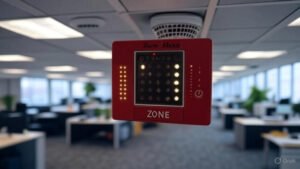
A fire alarm zone is simply a specific section of a building or property that has been separated for fire detection purposes. When a detector, call point, or device in that zone is activated, the fire alarm control panel shows exactly where the problem is. This helps emergency responders or building staff quickly locate the source of fire or smoke.

For example, in a hospital in Islamabad, one zone might cover the emergency ward, another zone might cover the pharmacy area, and another might cover the patient rooms. If a smoke detector in the pharmacy is triggered, the control panel will clearly show “Pharmacy Zone” so that staff do not waste time searching the whole building.

Why Zoning is Important

Fire safety engineers in Pakistan design zones to make the system practical, reliable, and easy to manage. Without zoning, a fire alarm would simply ring without telling you where the fire is. In a large building like a university or shopping mall, that would create panic instead of helping.

Key reasons zoning matters:

  1. Accurate Location Identification – Staff know exactly where to send people to investigate.

  2. Faster Response Time – Fire brigades or safety teams can reach the right spot quickly.

  3. Reduced Panic – Occupants can evacuate in an organized way when they know which area is affected.

  4. System Maintenance – Zones also help when checking or repairing the system, as each area can be isolated and tested separately.

How Fire Alarm Zones Are Designed in Pakistan

The number and size of zones depend on the building type, local safety codes, and international standards. In Pakistan, many buildings follow guidelines similar to BS 5839 (a British standard), but adjusted to meet local conditions.

  • Small Offices or Shops: A small building may have just one zone.

  • Schools, Hospitals, or Hotels: Each floor or wing becomes a separate zone.

  • High-Rise Buildings: Zoning is usually done per floor, sometimes with additional zones for special areas like basements, kitchens, or plant rooms.

By doing this, fire alarm systems in Islamabad can handle everything from a two-room office to a twenty-story building.

Types of Fire Alarm Systems and Zoning

There are two main types of fire alarm systems commonly used in Pakistan:

  1. Conventional Fire Alarm Systems
    In this system, zones are wired separately. The control panel shows which zone is active, but it cannot identify the exact device. For example, if Zone 3 is triggered, the staff will know the fire is somewhere in that area, but they need to check which detector caused it. Conventional systems are often cheaper and are suitable for small to medium-sized projects.

  2. Addressable Fire Alarm Systems
    These are advanced systems where every device has an address. The control panel not only shows the zone but also pinpoints the exact detector or call point. For example, instead of just showing “Zone 2,” it may show “Zone 2 – Room 210 – Smoke Detector.” Addressable systems are more expensive but highly effective for larger projects.

When you compare fire alarm system price in Pakistan, the difference between conventional and addressable systems is one of the biggest factors.

Fire Alarm Zones and Cost Considerations

Many clients in Islamabad ask us: Does adding more zones increase the fire alarm system price in Pakistan? The answer is: yes, to some extent. Each additional zone requires more wiring, devices, and sometimes a larger control panel. However, well-planned zoning actually saves money in the long run.

Imagine a warehouse divided into three zones. If only one zone needs maintenance, the other two can continue operating. This prevents unnecessary downtime and makes the system more reliable. For businesses, reliability is worth more than the initial saving.

Practical Examples of Zoning in Islamabad

  • Shopping Mall in Blue Area: Each floor was divided into zones, plus separate zones for food court kitchens. This helped quickly identify smoke incidents in the cooking areas without disturbing other shops.

  • Private School in Rawalpindi: Classrooms and laboratories were zoned separately. This made sense because labs carry more fire risk.

  • Corporate Office in F-7: The basement car park had its own zone, while each office floor was zoned separately. This allowed security staff to manage emergencies more efficiently.

Integration with Other Safety Systems

Fire alarm zones can also be connected with other building safety systems. For example, when Zone 1 detects smoke, the fire suppression system in that area can automatically activate, or the ventilation system can shut down to stop smoke spread.

This integration is becoming more common in Pakistan, especially in high-value projects where businesses cannot afford downtime or property loss.

Fire Alarm System Price in Pakistan – What to Expect

Prices vary widely based on system type, building size, and brand. In general:

  • Conventional Systems: These are more affordable and can be installed in small offices, shops, and residential buildings.

  • Addressable Systems: These cost more but are necessary for larger projects like universities, hospitals, or industrial units.

In Islamabad, the fire alarm system price in Pakistan typically depends on:

  • Number of zones

  • Type of detectors (smoke, heat, or multi-sensor)

  • Size and brand of control panel

  • Extra features like voice evacuation or integration with sprinklers

A basic setup for a small office may cost less, while a full system for a multi-story building can go much higher. For exact pricing, it’s always best to consult professionals who can survey the building and give an accurate estimate.

Choosing the Right Partner for Fire Alarm Installation

If you are planning to install a fire alarm system in Islamabad, working with a reliable company is more important than just finding the cheapest quote. A professional company ensures:

  • Proper zoning design

  • Compliance with Pakistani and international fire safety codes

  • Quality installation with tested equipment

  • Regular maintenance and support

At Fire Safety Trading, we specialize in fire alarm installation, maintenance, and testing. We design zoning in a way that ensures maximum safety and compliance. Our team also provides detailed cost breakdowns so clients can clearly understand the fire alarm system price in Pakistan before starting.

Frequently Asked Questions (FAQs)

Q1: How many fire alarm zones can a building have?
It depends on the size and design of the building. A small office might have just one zone, while a hospital or university can have dozens of zones to cover each floor and special areas like kitchens or basements.

Q2: What is the maximum size of a fire alarm zone?
Standards usually recommend that a single zone should not cover more than 2,000 square meters. In Pakistan, this can vary based on building layout and fire safety requirements.

Q3: Which is better for zoning – conventional or addressable fire alarm systems?
Both systems work with zones, but addressable systems provide more detail by identifying the exact device. Conventional systems only show the zone. The choice depends on building size, budget, and compliance needs.

Q4: Does zoning increase the fire alarm system price in Pakistan?
Yes, adding more zones increases cost because of extra wiring, detectors, and control panel capacity. However, zoning makes the system more reliable and easier to maintain, which saves money in the long run.

Q5: Where can I get fire alarm system installation in Islamabad?
You can contact Fire Safety Trading for fire alarm system installation, maintenance, and refilling services in Islamabad and Rawalpindi.

Conclusion

A fire alarm zone is not just a technical feature—it is the foundation of an effective fire safety strategy. By dividing a building into zones, fire alarms make emergencies easier to manage, reduce panic, and allow faster response. Whether you are setting up a small office system or a large hospital network in Islamabad, understanding zoning is essential.

When looking at the fire alarm system price in Pakistan, remember that zoning directly impacts performance, safety, and long-term reliability. Investing in a properly zoned fire alarm is not just about meeting legal requirements; it is about protecting lives and property.

For professional guidance, installation, or maintenance, you can always reach out to Fire Safety Trading. Our experts in Islamabad are ready to help you design the right system for your needs.

How to Use a Fire Alarm Call Point?

Fire alarms are among the most important safety devices in any building. They are designed to give an early warning so people can evacuate before a fire becomes uncontrollable. In Pakistan, especially in cities like Islamabad where commercial buildings, offices, schools, and residential complexes are growing rapidly, the need for reliable fire safety equipment has increased. One important part of a fire alarm system is the manual call point, often referred to as a fire alarm call point.

In this article, we will explain in detail how to use a fire alarm call point, why it is necessary, and how it connects with the overall fire alarm system. We will also highlight the importance of maintenance and how costs, such as the fire alarm system price in Pakistan, should be considered when planning safety measures.

What is a Fire Alarm Call Point?

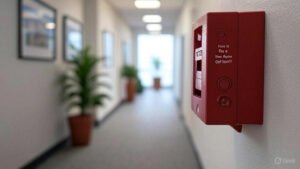
A fire alarm call point is a small, wall-mounted device that allows anyone to manually trigger the fire alarm system in case of an emergency. It is usually placed near exits, staircases, corridors, and common areas where people can easily access it.

Unlike smoke or heat detectors that activate automatically, the call point requires a person to push or break the glass to send a signal. Once activated, the fire alarm system sets off sirens and flashing lights, alerting everyone in the building.

Why Fire Alarm Call Points Are Important

In many fire incidents, automatic detectors may not immediately pick up smoke or heat, especially if the fire starts in a hidden corner. In such cases, a person spotting the fire first can raise the alarm quickly through the manual call point.

Some major benefits include:

  • Quick Response: Immediate activation ensures faster evacuation.

  • Safety Assurance: Reduces the chances of fire spreading unnoticed.

  • Compliance with Safety Standards: Most building safety regulations in Pakistan require functional call points as part of fire alarm systems.

For businesses in Islamabad, this is not just about safety, it is also about fulfilling regulatory compliance and protecting both property and lives.

How to Use a Fire Alarm Call Point (Step by Step)

Using a fire alarm call point is straightforward, but it must be done correctly to ensure the system responds as intended. Here is the process:

1. Locate the Call Point Quickly

When a fire is noticed, do not waste time. Move towards the nearest manual call point, usually marked with a red box and labeled “Break Glass” or “Press Here.”

2. Activate the Call Point

  • If it has a break glass type, press firmly on the center until the glass breaks.

  • If it has a push-button type, press the button firmly.

This action will send an immediate signal to the fire alarm control panel.

3. Wait for the Alarm

Within seconds, the alarm sirens and flashing lights should activate throughout the building, alerting everyone.

4. Evacuate Safely

Once the alarm is raised, follow the evacuation plan of the building. Do not attempt to collect belongings or delay.

5. Do Not Reset Without Authorization

Only trained staff or fire safety professionals should reset the call point after the incident or drill.

Common Mistakes People Make

Despite being a simple device, misuse or misunderstanding of fire alarm call points is common in Pakistan. Some issues include:

  • Ignoring the Call Point: People often look for security staff instead of using the device directly. This wastes valuable time.

  • Testing Without Permission: Children or untrained staff sometimes press the button as a joke, which creates unnecessary panic.

  • Not Reporting Damaged Units: A broken or blocked call point may fail during an actual fire.

This is why regular maintenance and awareness training are so important.

Maintenance of Fire Alarm Call Points

A call point is only effective if it works properly when needed. Businesses and property owners in Islamabad should arrange scheduled fire alarm maintenance. During maintenance, technicians check:

  • Glass condition (not broken or missing)

  • Button functionality

  • Connection with the fire alarm control panel

  • Proper positioning (not blocked by furniture or decorations)

At Fire Safety Trading, we provide fire alarm maintenance in Islamabad and across Pakistan, ensuring your system is fully functional at all times.

Fire Alarm Systems and Their Costs in Pakistan

While discussing fire alarm call points, it is also important to understand how they fit into the overall fire alarm system. In Pakistan, the fire alarm system price in Pakistan depends on several factors:

  1. Type of System: Conventional, addressable, or wireless.

  2. Size of the Building: Larger facilities require more detectors and call points.

  3. Brand and Quality: Reliable international brands may cost more but offer long-term safety.

  4. Installation and Maintenance: Professional installation ensures reliability, while maintenance prevents costly failures.

For example, in Islamabad, a small office may need only a basic conventional fire alarm system, while a shopping mall or hospital requires an addressable system with multiple call points, detectors, and panels.

Investing in a quality system may seem like an expense at first, but it provides long-term safety, compliance with building laws, and peace of mind.

Where to Install Fire Alarm Call Points in a Building

According to international fire safety guidelines, which are also followed in Pakistan:

  • Call points should be installed at all building exits.

  • They should be placed along escape routes and stairwells.

  • Height should be around 1.4 meters from the ground, making them easily accessible to everyone.

  • The maximum distance between two call points should not exceed 30 meters.

Proper installation ensures that wherever a fire starts, someone nearby can activate the alarm without delay.

Fire Alarm Call Point Training for Staff

Simply installing a system is not enough. Employees, tenants, and residents must know how and when to use a fire alarm call point. In Islamabad, many businesses now arrange fire safety training sessions that include:

  • How to recognize fire hazards

  • When to use call points vs. extinguishers

  • Evacuation procedures after raising the alarm

  • Reporting system faults to the maintenance team

This training reduces panic during emergencies and ensures faster evacuation.

Final Thoughts

A fire alarm call point is one of the simplest yet most effective tools for fire safety. Knowing how to use it properly can save lives and prevent major damage. For businesses and residents in Islamabad, installing reliable fire alarm systems, keeping them maintained, and ensuring everyone knows how to use the call points is essential.

When evaluating safety measures, do not overlook the costs. The fire alarm system price in Pakistan varies, but it is a small investment compared to the potential loss in case of a fire. At Fire Safety Trading, we provide complete solutions—from installation to maintenance—so your property always remains protected.

If you are in Islamabad and want to learn more about fire alarm maintenance, visit Fire Safety Trading and ensure your system is always ready when needed.