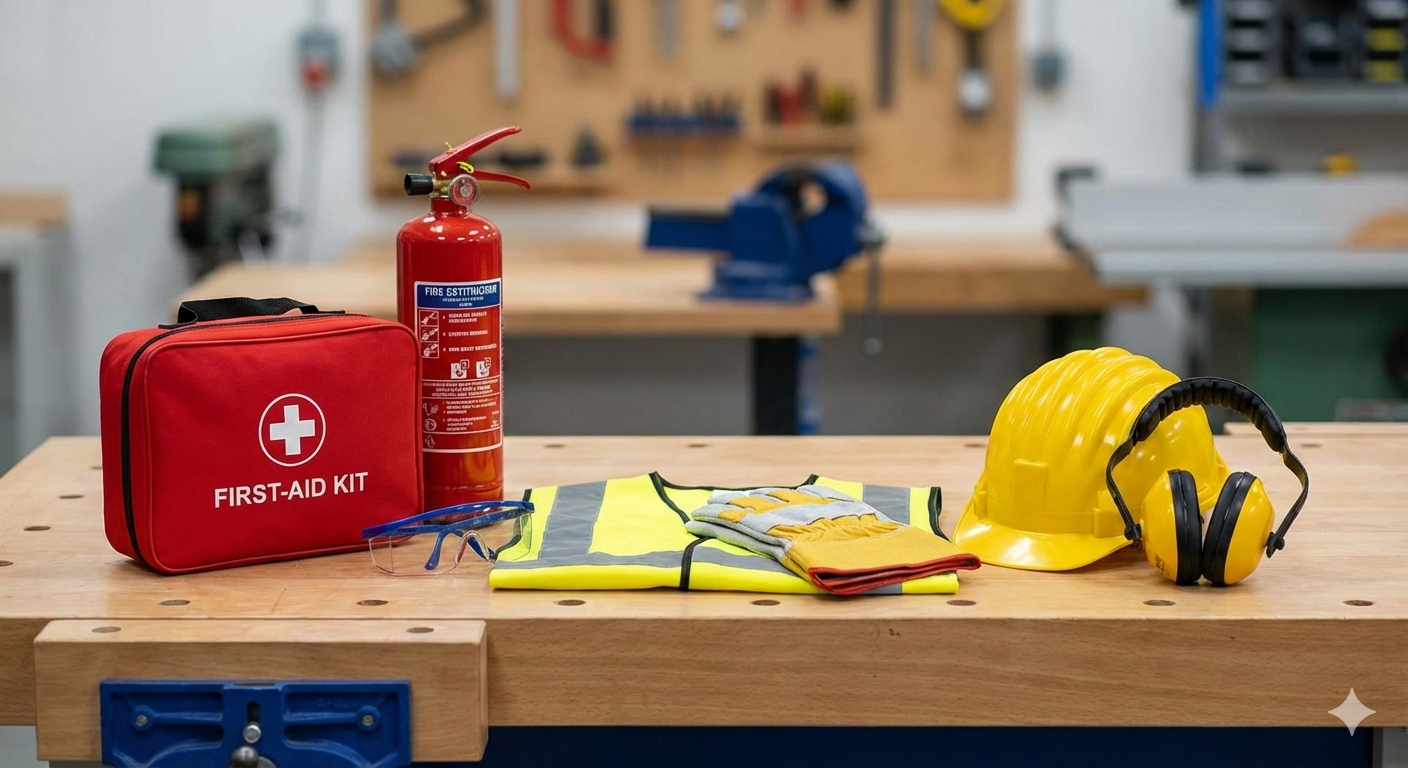
Ensuring workplace safety is not just a legal requirement but also a moral responsibility of every employer. A safe working environment protects employees, reduces accidents, and ensures smooth business operations. Whether you run a small office, a manufacturing plant, or a large industrial facility, equipping your workplace with the right safety tools is essential. This article will explore the top safety equipment every workplace must have, along with guidance on maintenance and sourcing services like fire extinguisher refilling.
1. Fire Extinguishers
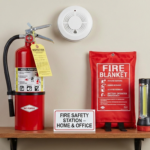
Fire extinguishers are the first line of defense against fire incidents in any workplace. Every office or industrial facility must have multiple types of fire extinguishers, such as water, foam, powder, and CO2, depending on the nature of materials present. Regular maintenance of these extinguishers is equally crucial.
For instance, if your fire extinguisher runs out or loses pressure, it cannot protect your employees. Many businesses in Pakistan now search for reliable “fire extinguisher refilling service near me” to ensure their safety equipment is always functional. Choosing a professional service guarantees that the extinguisher is properly refilled, checked for leaks, and compliant with safety standards.
CO2 fire extinguishers are particularly important for electrical fires, common in offices and workshops. If you are specifically looking for a “CO2 fire extinguisher refilling near me,” make sure the service provider uses genuine CO2 cylinders and checks the extinguisher for any damage before refilling. Keeping a log of these services helps maintain workplace safety compliance.
2. First Aid Kits
Accidents can happen even with all preventive measures in place. A well-stocked first aid kit can provide immediate relief and prevent minor injuries from becoming serious. Every workplace should have kits that include bandages, antiseptic solutions, scissors, adhesive tapes, gloves, and painkillers.
Regularly check your first aid kits to replace expired medicines and supplies. Assign a responsible person for monitoring these kits to ensure they are always ready for use. In industries like manufacturing or construction, additional items such as burn creams and splints may be necessary.
3. Safety Signage and Emergency Instructions
Clear safety signage can prevent accidents and guide employees during emergencies. Workplaces must display signs indicating fire exits, hazardous areas, and emergency contact numbers. Instructions for operating safety equipment like fire extinguishers should be visible and easy to understand.
Emergency evacuation maps should be placed at strategic locations, and employees should be trained to follow them. Regular drills help everyone understand their roles during emergencies, reducing panic and injuries.
4. Personal Protective Equipment (PPE)
Depending on the nature of your workplace, personal protective equipment (PPE) is essential to safeguard employees from various hazards. PPE includes helmets, gloves, safety shoes, goggles, face shields, ear protection, and masks.
In chemical labs, respiratory masks protect workers from inhaling harmful substances, while gloves and goggles prevent chemical burns. Construction workers require helmets and safety shoes to avoid injuries from falling objects. Employers must ensure PPE is available, properly maintained, and replaced when worn out.
5. Fire Safety Systems
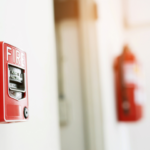
Beyond portable fire extinguishers, workplaces should install comprehensive fire safety systems. Smoke detectors, heat sensors, and sprinkler systems provide early warnings and control fire spread.
Routine checks and servicing of these systems are necessary to ensure they work correctly during emergencies. Hiring certified technicians for inspection helps prevent false alarms and ensures compliance with fire safety regulations.
6. Emergency Lighting
Power outages during an emergency can make evacuation chaotic. Emergency lighting ensures that exit routes remain visible, reducing confusion and potential injuries. Install backup batteries or generators to maintain lighting during critical situations.
7. Fire Extinguisher Refilling and Maintenance
Even the best fire safety equipment is useless if not maintained properly. Fire extinguishers lose pressure over time and need professional refilling. Many businesses often search for “fire extinguisher refilling shop near me” to locate nearby service providers. Regular refilling and inspection ensure that extinguishers operate efficiently during a fire.
A professional refilling service not only replenishes the extinguishing agent but also checks seals, gauges, and hoses for damage. For workplaces using CO2 extinguishers, choosing a trusted “CO2 fire extinguisher refilling near me” service is critical. This ensures the extinguisher works properly and adheres to safety standards.
8. Fire Blankets
Fire blankets are a simple yet effective safety tool, especially in kitchens, laboratories, or chemical-handling areas. They can smother small fires by cutting off oxygen supply. Employees should be trained on how to use fire blankets properly and keep them easily accessible.
9. Eyewash Stations
In workplaces where employees handle chemicals, dust, or other irritants, eyewash stations are vital. These stations provide immediate flushing of eyes to prevent damage from chemical splashes or debris. Regular maintenance and testing ensure that eyewash stations are always ready for emergencies.
10. Safety Barriers and Guards
In industrial and manufacturing settings, machinery can pose significant risks. Installing safety guards, barriers, and warning systems prevents accidental contact with moving parts. Clearly marking dangerous areas with barriers reduces the risk of injuries.
11. Training and Safety Programs
Having safety equipment alone is not enough. Employees must be trained to use them effectively. Regular workshops, drills, and awareness programs educate staff on emergency procedures, proper handling of equipment, and first aid measures.
Workplace safety training should also cover proper use of fire extinguishers, including CO2 types. Knowing the difference between water, foam, powder, and CO2 extinguishers ensures the correct response during a fire incident.
12. Regular Inspections and Audits
A workplace safety strategy is incomplete without regular inspections and audits. Checking all safety equipment, reviewing emergency plans, and updating safety procedures are crucial for maintaining a safe environment.
Hiring certified professionals for inspections adds credibility and ensures compliance with local regulations. If a fire extinguisher needs refilling, don’t wait until the last moment. Searching for “fire extinguisher refilling service near me” in advance ensures you have reliable options ready.
Conclusion
Workplace safety is an ongoing commitment that requires investment in the right equipment, employee training, and regular maintenance. Essential safety tools such as fire extinguishers, PPE, first aid kits, emergency lighting, and fire blankets can save lives and prevent serious accidents.
Regular servicing, such as “CO2 fire extinguisher refilling near me” or visiting a “fire extinguisher refilling shop near me,” ensures your equipment remains functional and compliant. By prioritizing safety, you not only protect your employees but also enhance productivity and trust within your organization.
Creating a safe workplace is a continuous process. With proper planning, equipment, and awareness, any workplace can minimize risks and handle emergencies efficiently. Remember, preparedness today can prevent disasters tomorrow.
Read More Articles:


