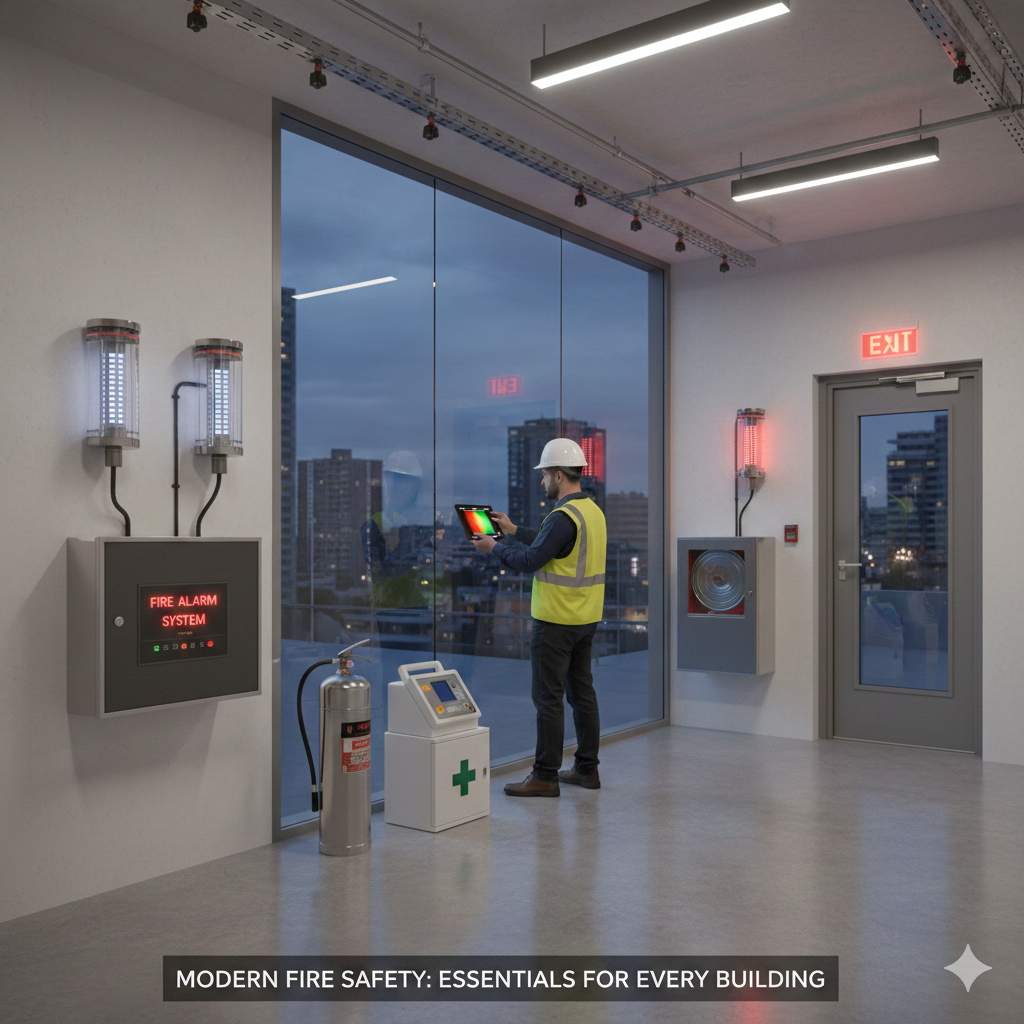
Fire safety is no longer optional; it is an essential part of building design and management. Every year, countless lives and properties are lost due to inadequate fire protection measures. Whether it’s a residential complex, office building, school, or industrial site, the right fire safety equipment can make the difference between a minor incident and a devastating tragedy. Modern advancements in fire safety technology have made it possible to protect buildings more effectively than ever before. In this article, we will explore the essential modern fire safety equipment every building should have, how they work, and why they are crucial.
Importance of Fire Safety Equipment
Fire safety equipment is designed to prevent fires, alert occupants, and minimize damage if a fire occurs. Modern buildings, especially high-rises, face unique challenges such as rapid fire spread due to the use of synthetic materials, dense occupancy, and complex electrical systems. Without proper fire safety equipment, a small fire can escalate quickly.
Investing in reliable fire safety equipment not only protects lives but also reduces financial losses from property damage and business interruption. In Pakistan, the need for modern fire safety solutions has increased as urban areas grow and industrial activities expand. A well-equipped building ensures compliance with local fire safety regulations and promotes peace of mind for occupants and property owners alike.
1. Fire Alarm Systems
Fire alarm systems are the first line of defense in any fire emergency. They detect smoke, heat, or flames and immediately alert building occupants. Modern fire alarm systems come in different types:
-
Smoke Detectors: These detect smoke particles in the air and trigger alarms. Advanced smoke detectors can differentiate between cooking smoke and a genuine fire, reducing false alarms.
-
Heat Detectors: These sensors activate when a specific temperature is reached, making them suitable for areas like kitchens or boiler rooms.
-
Manual Call Points: These allow occupants to raise an alarm manually in case they spot a fire before automated systems detect it.
A modern fire alarm system often integrates with other fire safety equipment, such as sprinklers and emergency lighting, ensuring a coordinated response. In addition, many systems are now connected to mobile apps, sending real-time alerts to property managers or local fire departments.
2. Fire Extinguishers
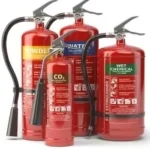
Fire extinguishers are among the most basic yet vital fire safety equipment in any building. They provide the means to control small fires before they escalate. Modern extinguishers are categorized based on the type of fire they can handle:
-
Water-Based Extinguishers: Effective against ordinary combustibles like paper and wood.
-
Foam Extinguishers: Suitable for flammable liquids like oil and gasoline.
-
CO2 Extinguishers: Ideal for electrical fires, leaving no residue behind.
-
Dry Powder Extinguishers: Multipurpose, effective against most types of fires, including chemical and electrical fires.
Placement of fire extinguishers is critical. They should be easily accessible, near exits, and distributed across every floor. Regular inspection and maintenance are also essential to ensure they function when needed.
3. Fire Sprinkler Systems
Automatic fire sprinkler systems are a cornerstone of modern fire protection. They detect heat and release water to control or extinguish a fire before it spreads. Sprinklers are particularly effective in high-rise buildings, hotels, hospitals, and commercial complexes.
Modern sprinkler systems come with advanced features such as:
-
Pre-Action Sprinklers: Activated only when both smoke and heat are detected, reducing accidental water damage.
-
Deluge Systems: Used in high-risk areas like chemical plants, where rapid water release is necessary.
-
Smart Sprinklers: Integrated with building management systems to monitor performance and detect faults automatically.
Sprinklers not only save lives but also limit property damage and reduce insurance premiums, making them a cost-effective investment.
4. Fire Doors and Escape Routes
Fire doors are essential passive fire protection measures. Unlike active equipment, fire doors work silently to contain fire and smoke, providing crucial time for evacuation. They are made from fire-resistant materials and designed to close automatically in case of a fire.
Every building must have clearly marked escape routes equipped with:
-
Emergency Exit Signs: Illuminated and visible even in smoke-filled areas.
-
Emergency Lighting: Battery-operated lights to guide occupants during power failures.
-
Unobstructed Corridors: Clear pathways free from obstacles to allow fast evacuation.
Fire doors combined with proper escape routes dramatically increase the chances of survival in a fire emergency.
5. Fire Hose Reels and Hydrants
Fire hose reels and hydrants are critical for large buildings where manual firefighting may be necessary before firefighters arrive. Modern systems include:
-
Fire Hose Reels: Mounted inside buildings for immediate use, connected to the water supply. They are ideal for combating small fires in offices, schools, or commercial spaces.
-
Fire Hydrants: Positioned outside buildings, they provide high-pressure water for professional firefighting teams.
Routine maintenance is essential to ensure hoses, valves, and hydrants function correctly during emergencies.
6. Smoke and Heat Ventilation Systems
In modern multi-story buildings, smoke can spread rapidly, causing disorientation and suffocation. Smoke and heat ventilation systems are designed to extract smoke and hot gases from the building, keeping escape routes clear and reducing fire damage.
These systems may include:
-
Natural Ventilation: Roof or window vents that open automatically.
-
Mechanical Ventilation: Fans and ducts that actively remove smoke from hallways and staircases.
Properly designed ventilation systems improve the efficiency of other fire safety equipment, such as sprinklers and alarms.
7. Fire Suppression Systems
Some areas, like server rooms, laboratories, and industrial kitchens, require specialized fire suppression systems. Unlike sprinklers, these systems use gas, foam, or chemicals to extinguish fires without water damage.
-
Clean Agent Systems: Use inert gases or chemical agents safe for electronics and sensitive equipment.
-
Wet Chemical Systems: Designed for cooking oil fires, common in commercial kitchens.
-
Foam Suppression Systems: Ideal for flammable liquid storage areas.
These systems are crucial for buildings housing valuable assets that water could damage.
8. Emergency Communication Systems
Modern buildings must have efficient communication systems to guide occupants during a fire. Public address (PA) systems, intercoms, and emergency alert software allow building managers to give real-time instructions.
Integration with mobile alerts, voice messages, and digital signage ensures everyone, including visitors unfamiliar with the building layout, can evacuate safely.
9. Fire Safety Signage
Clear, visible fire safety signage is often underestimated but is crucial during emergencies. Signs indicate:
-
Fire extinguisher locations
-
Emergency exits
-
Assembly points outside the building
Signs must comply with international standards, be visible in low light, and use universally recognized symbols to overcome language barriers.
10. Fire Safety Maintenance and Training
Even the most advanced fire safety equipment is useless without regular maintenance and trained personnel. Fire safety programs in modern buildings should include:
-
Routine Inspections: Fire alarms, extinguishers, sprinklers, and hydrants must be checked periodically.
-
Drills and Training: Occupants should know how to use fire extinguishers, follow evacuation routes, and respond calmly during emergencies.
-
Record Keeping: Documenting inspections and training ensures accountability and compliance with local regulations.
In Pakistan, many fires exacerbated by negligence and lack of awareness. A proactive approach combining modern equipment and proper training significantly reduces risks.
Conclusion
Modern fire safety equipment is no longer a luxury; it is a necessity. From fire alarms and sprinklers to specialized suppression systems and emergency communication, every building should invest in comprehensive protection measures. A combination of active and passive fire safety equipment ensures lives saved, property has preserved, and businesses remain operational after incidents.
For building owners, managers, and developers in Pakistan, adopting modern fire safety equipment is both a legal responsibility and a moral duty. By investing in quality systems, conducting regular maintenance, and training occupants, the risk of fire-related disasters can minimized. A fire-safe building is not just a regulatory requirement—it is a promise to protect life and property.
Invest in modern fire safety equipment today, and secure a safer tomorrow for everyone in your building.
Also Read:


