
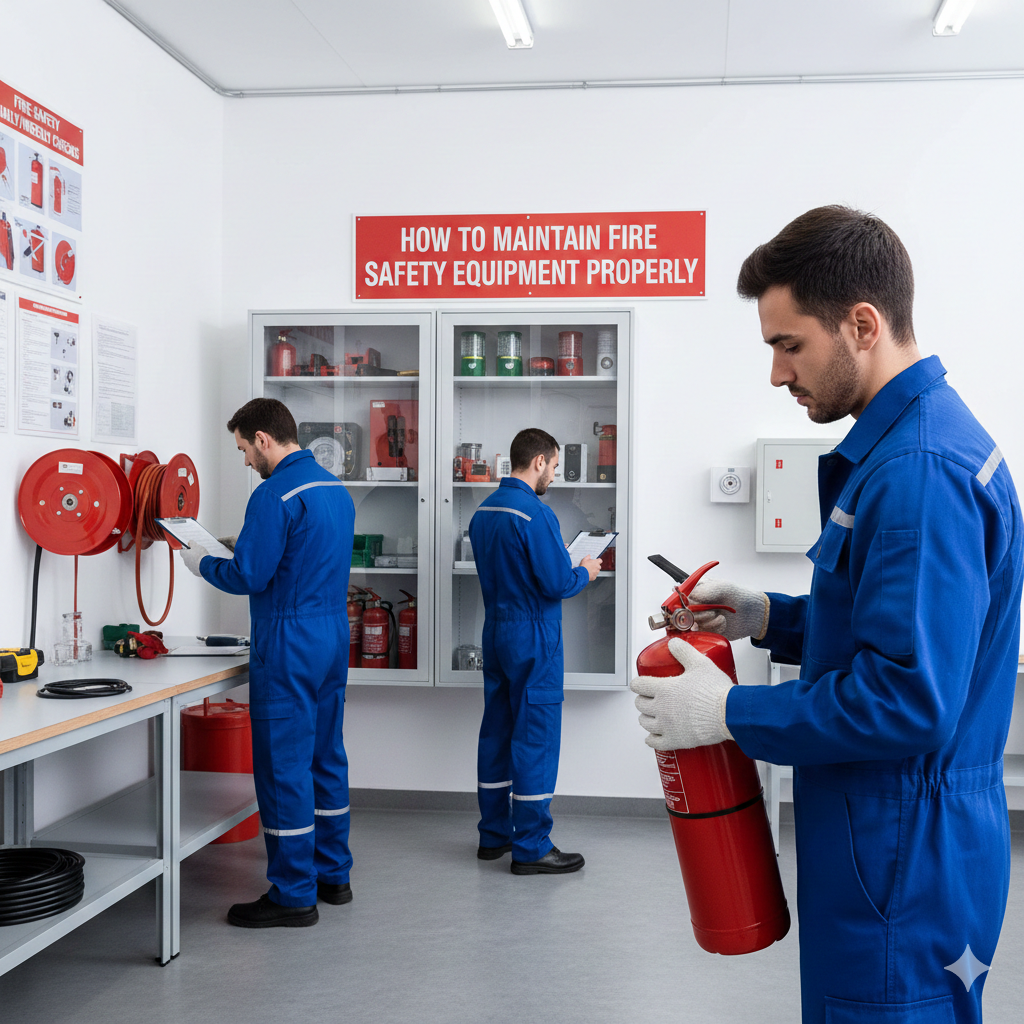
Fire safety equipment plays a critical role in protecting lives and property from the devastating effects of fire. From homes to offices, factories, and public buildings, proper fire safety equipment can be the difference between a minor incident and a major disaster. However, simply installing fire safety devices is not enough. Regular maintenance is essential to ensure that they function effectively when needed. This article will guide you through the best practices for maintaining fire safety equipment properly, keeping your environment safe, and complying with safety regulations.
Understanding Fire Safety Equipment
Before diving into maintenance practices, it’s essential to understand what constitutes fire safety equipment. Common types include fire extinguishers, smoke alarms, fire blankets, sprinkler systems, emergency exit signs, and fire hoses. Each of these devices serves a unique purpose in preventing fire-related damage and protecting human life. Knowing their functions helps in prioritizing maintenance and ensuring they are ready for use during emergencies.
1. Fire Extinguishers Maintenance
Fire extinguishers are the most common type of fire safety equipment found in homes and workplaces. They are designed to tackle small fires before they escalate. Proper maintenance of fire extinguishers involves several steps:
-
Regular Inspection: Check the pressure gauge monthly to ensure it is in the operable range. Look for any visible signs of damage, corrosion, or leakage. Ensure the safety pin is intact and the nozzle is not blocked.
-
Annual Servicing: Certified professionals should service fire extinguishers at least once a year. They will check the internal mechanisms, refill or recharge the extinguisher if necessary, and replace any worn-out parts.
-
Hydrostatic Testing: Every 5 to 12 years, depending on the type, fire extinguishers should undergo hydrostatic testing. This ensures the cylinder can safely hold pressure without risk of bursting.
Neglecting fire extinguisher maintenance can render them useless during a fire emergency, putting lives and property at risk.
2. Smoke Alarms and Fire Detection Systems
Smoke alarms and fire detection systems are early warning devices that alert occupants to fire hazards. Their maintenance is critical because a non-functioning alarm can delay evacuation and response. Key maintenance steps include:
-
Regular Testing: Test smoke alarms monthly by pressing the test button. This ensures the alarm is functioning and audible.
-
Battery Replacement: Replace batteries at least once a year, or sooner if the alarm starts beeping to indicate low battery.
-
Cleaning: Dust and debris can interfere with the sensor. Clean the alarm gently using a vacuum cleaner or a soft brush to remove any particles.
-
Professional Inspection: For complex fire detection systems in commercial buildings, schedule professional inspections annually to check wiring, sensors, and control panels.
Maintaining smoke alarms ensures early detection, allowing for timely evacuation and reducing the potential for injuries and property damage.
3. Fire Sprinkler Systems
Fire sprinkler systems are highly effective in controlling fires automatically before they spread. Maintaining these systems requires careful attention:
-
Monthly Visual Checks: Inspect sprinkler heads for leaks, corrosion, or obstructions. Ensure that the system’s control valves are open and accessible.
-
Annual Professional Inspection: A certified technician should inspect the entire system, including the water supply, valves, pipes, and sprinkler heads.
-
Testing and Flushing: Conduct water flow tests to ensure sprinklers operate correctly. Pipes may need flushing periodically to remove sediment that could block water flow.
Proper maintenance of sprinkler systems ensures rapid response in case of fire, minimizing damage and safeguarding lives.
4. Fire Hoses and Hydrants
Fire hoses and hydrants are essential for delivering water to fight large fires, especially in commercial or industrial settings. Maintaining them involves:
-
Regular Inspections: Check hoses for cracks, leaks, or signs of wear. Ensure couplings are secure and functional.
-
Pressure Testing: Test the water pressure in hoses periodically to confirm they can deliver water effectively.
-
Hydrant Maintenance: Fire hydrants should be inspected regularly for blockages, leaks, and corrosion. Clear any debris around them to ensure easy access during emergencies.
Neglecting hose and hydrant maintenance can result in reduced water flow or failure during firefighting operations.
5. Fire Blankets and Other Safety Equipment
Fire blankets are particularly useful for small kitchen fires or for wrapping around a person whose clothing has caught fire. Their maintenance is straightforward but essential:
-
Check Integrity: Ensure the blanket is clean, dry, and free from holes or tears.
-
Accessibility: Keep fire blankets in an easily accessible location and ensure everyone in the household or workplace knows where they are.
Other fire safety equipment, such as emergency exit signs, fire doors, and personal protective equipment (PPE), also requires regular checks to confirm they are functional and compliant with safety regulations.
6. Documentation and Compliance
Maintaining fire safety equipment is not just about physical checks. Proper record-keeping and compliance with local fire safety regulations are equally important:
-
Maintenance Logs: Keep detailed records of inspections, tests, servicing, and replacements. This documentation helps track the equipment’s condition and ensures timely maintenance.
-
Regulatory Compliance: Many countries, including Pakistan, have fire safety laws requiring regular equipment maintenance and inspections. Ensure your facility complies with these regulations to avoid penalties and ensure safety.
7. Training and Awareness
Even the best-maintained fire safety equipment is ineffective if people do not know how to use it. Training and awareness programs are essential for maximizing safety:
-
Staff Training: Conduct regular training sessions on how to operate fire extinguishers, use fire blankets, and follow evacuation procedures.
-
Fire Drills: Organize fire drills periodically to ensure that everyone knows how to respond in an emergency.
-
Signage and Instructions: Place clear instructions near fire safety equipment to guide users in case of emergencies.
Proper training ensures that maintenance efforts translate into real-world effectiveness during a fire incident.
8. Common Mistakes to Avoid
Many people assume that fire safety equipment requires minimal attention, which is a dangerous misconception. Common mistakes include:
-
Ignoring monthly inspections for devices like smoke alarms and fire extinguishers.
-
Delaying professional servicing or hydrostatic testing of extinguishers.
-
Overlooking cleaning and dust removal for detection systems.
-
Blocking access to emergency exits, fire extinguishers, or hydrants.
-
Not keeping proper maintenance records or following local safety regulations.
Avoiding these mistakes ensures that fire safety equipment remains reliable and effective at all times.
Conclusion
Maintaining fire safety equipment properly is a responsibility that cannot be ignored. From fire extinguishers and smoke alarms to sprinkler systems and fire hoses, every piece of equipment plays a vital role in protecting lives and property. Regular inspections, professional servicing, proper documentation, and training are key components of an effective fire safety strategy. By adopting these practices, you not only comply with safety regulations but also ensure peace of mind knowing that you are prepared for any fire emergency. Fire safety equipment is only as effective as its maintenance; investing time and effort in this process is an investment in safety, protection, and prevention.


