

Fire alarm systems are one of the most important safety tools used in homes, offices, factories, hospitals, and shopping malls. Their main job is very simple: detect fire early and warn people so they can escape safely. For beginners, understanding how these systems work can help you realize why they are so important and how they protect lives and property.
This guide explains everything in simple words, making it easy to understand how fire alarm systems function and what happens when a fire starts.
Basic Working Principle of a Fire Alarm System
A fire alarm system works on a simple idea: detect danger and send a warning. The system constantly checks the environment for signs of fire, such as smoke, heat, or flames. When it notices anything unusual, it activates loud alarms and flashing lights to alert everyone inside the building.
The system works automatically and does not need human help to operate. It stays active 24 hours a day, even when people are sleeping or the building is closed.
Main Components of a Fire Alarm System
A fire alarm system is made up of different parts that work together as a team.
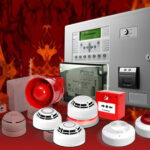
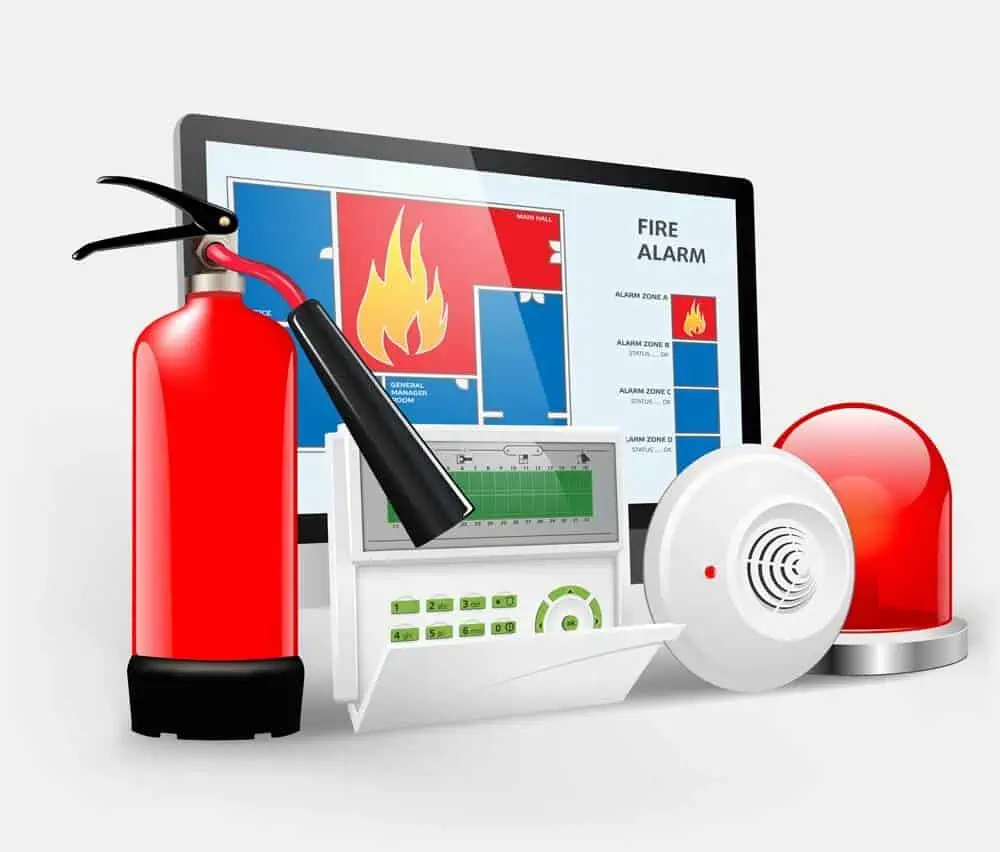
Smoke detectors are devices that detect smoke particles in the air. When smoke enters the detector, it sends a signal to the control panel.
Heat detectors sense rapid temperature changes or when the temperature crosses a certain limit. They are used in areas like kitchens and boiler rooms where smoke detectors may give false alarms.
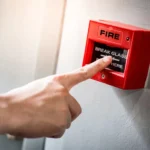
Manual call points are red emergency buttons installed on walls. If someone sees a fire, they can break the glass and press the button to trigger the alarm manually.
The fire alarm control panel is the brain of the system. It receives signals from detectors and manual call points. When it receives a danger signal, it activates the alarm devices.
Alarm sounders and bells produce loud sounds to alert people. Flashing strobe lights are also used, especially for people with hearing difficulties.
Power supply units keep the system running. These include main electrical power and backup batteries to ensure the system works even during power failures.
Step-by-Step: What Happens When a Fire Starts
When a fire begins, smoke spreads in the air or the temperature rises. The smoke detector senses the smoke, or the heat detector senses the temperature rise. The detector immediately sends a signal to the fire alarm control panel.
The control panel quickly processes this signal and activates alarms throughout the building. Sirens, hooters, bells, and flashing lights start working. At the same time, in advanced systems, the control panel may notify the nearest fire station automatically.
People inside the building hear the alarm and follow emergency exit routes to leave the building safely.
Types of Fire Alarm Systems for Beginners to Know
Conventional fire alarm systems divide the building into zones. When an alarm goes off, it shows which zone is affected but not the exact point.
Addressable fire alarm systems are smarter. Every device has its own unique address. The control panel can show the exact location of the fire.
Wireless fire alarm systems use radio signals instead of cables. These are useful in buildings where wiring is difficult.
Smart fire alarm systems can be connected to mobile apps and monitoring centers. They allow remote monitoring and instant notifications.
Why Fire Alarm Systems Are Important
Fire alarm systems help save lives by giving early warnings. Without an alarm, people may not realize there is a fire until it becomes very dangerous.
They reduce panic because people clearly understand when they need to evacuate.
They also reduce property damage by allowing faster action and quicker arrival of fire services.
In offices and factories, fire alarm systems protect employees and expensive equipment.
Common Mistakes Beginners Should Avoid
Many people think smoke alarms and fire alarm systems are the same. A smoke alarm is a single device, while a fire alarm system is a complete network of devices.
People often ignore regular testing. A fire alarm system should be tested regularly to ensure it works properly.
Some people disable alarms due to false alarms, which can be very dangerous.
Simple Maintenance Tips
Fire alarm systems need basic care to work properly. They should be tested monthly. Batteries should be checked regularly. Dust and dirt should be cleaned from detectors. Professional inspection should be done once or twice a year.
Final Thoughts
Fire alarm systems are simple in concept but powerful in action. They work by detecting smoke and heat and immediately warning people through loud alarms and lights. For beginners, understanding how these systems work helps in making better safety decisions for homes and workplaces.
A working fire alarm system is not just a device. It is a life-saving shield that stays alert day and night to protect people from fire dangers.
More Articles:


