

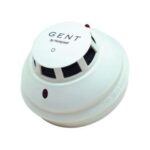

Effective fire detection is a cornerstone of protecting lives and property in homes, workplaces, and public buildings. Among the most respected names in fire safety, Honeywell smoke detectors are widely trusted for their reliability, accuracy, and long-term performance. These devices serve as early warning systems that can save lives by detecting smoke at its earliest stages and alerting occupants before a small problem becomes a major disaster.
This article explains why Honeywell smoke detectors are trusted for fire safety, how they work, and what features make them well suited for residential and commercial environments.
Why Early Smoke Detection Matters
Fires often start without obvious signs. Smoke can develop long before flames are visible, and toxic gases can spread quickly through enclosed spaces. Early detection significantly increases the likelihood of safe evacuation, reduces property damage, and gives emergency responders crucial time to act. Smoke detectors are most effective when they identify combustion at an early stage, triggering alarms that alert people to potential danger.
Honeywell smoke detectors are designed to detect smoke reliably and consistently, providing that critical early warning across a wide range of environments.
How Honeywell Smoke Detectors Work
Smoke detectors sense particles in the air that indicate the presence of fire. Honeywell uses proven sensing technologies to ensure accurate and fast detection.
Photoelectric Detection
Photoelectric sensors use a light source and a photoelectric sensor within a chamber. When smoke enters this chamber, light is scattered toward the sensor, causing the detector to activate the alarm. This method is particularly effective at detecting smouldering fires that produce visible smoke.
Ionisation Detection
Ionisation detectors use a small radioactive source to create an electrical current within a sensing chamber. When smoke particles disrupt this current, the detector triggers an alarm. This technology is more responsive to fast-flaming fires that generate smaller particles.
Dual-Sensor Technology
Some Honeywell models combine both photoelectric and ionisation detection in a single unit. Dual-sensor detectors offer broader coverage, making them suitable for environments with mixed fire risks.
Each technology plays a role in identifying different fire types quickly and accurately, making Honeywell smoke detectors versatile and dependable for diverse fire scenarios.
Key Features That Build Trust
Honeywell smoke detectors include features that enhance safety and reliability:
Reliable Early Detection
Honeywell detectors are calibrated to respond to the right level of smoke density, ensuring early warning without excessive false alarms.
Low False Alarm Rates
Advanced sensing systems and signal processing reduce false triggers from non-fire conditions such as steam, dust, or ordinary cooking smoke.
Durable Construction
Honeywell products use high-quality materials designed to withstand everyday wear and environmental conditions, ensuring long-term performance.
Clear Alarm Signals
Audible alarms are loud and unmistakable, making them noticeable even in larger spaces and through closed doors. Visual indicators help confirm detector status at a glance.
Easy Testing and Maintenance
Built-in test buttons allow simple regular checks, and clear indicators show when maintenance or battery replacement is needed.
Compatibility With Fire Safety Systems
Many Honeywell smoke detectors are designed to integrate with wider fire alarm systems, especially in commercial buildings. This enables central monitoring, coordinated alarms, and connection with automatic suppression systems.
Trusted in Residential Environments
In homes, Honeywell smoke detectors are widely recommended for bedrooms, hallways, living areas, and kitchens (installed at recommended distances to minimise nuisance alarms). Early smoke detection in residential settings provides families with vital seconds or minutes to evacuate safely and take protective action.
Homes can use battery-powered standalone detectors or hardwired models with battery backup for uninterrupted protection. In multi-level residences, detectors on every floor and near sleeping areas form a basic and effective fire safety network.
Proven in Commercial and Public Buildings
Commercial settings such as offices, hotels, schools, hospitals, and retail stores require smoke detection systems that go beyond standalone devices. Honeywell smoke detectors integrate seamlessly with fire alarm control panels, providing:
Centralised Monitoring
Each detector communicates with a main panel to indicate exact location and status.
Addressable Detection
Addressable detectors have unique identifiers that pinpoint the source of smoke, enabling faster response.
Zone Alerts
Buildings with multiple zones can manage alerts efficiently, directing emergency action where needed.
System Integration
Integration with fire alarm systems, public address networks, emergency lighting, and sprinkler controls enhances overall safety response.
This level of integration is critical in complex buildings where rapid incident assessment and coordinated response can save lives and reduce damage.
Installation and Maintenance
Proper installation and maintenance are essential for reliable performance. Honeywell recommends:
Strategic Placement
Install detectors near ceilings and high on walls, where smoke naturally accumulates first. Avoid areas near vents, fans, or sources of steam that could trigger false alarms.
Regular Testing
Monthly testing using the built-in test function ensures the alarm circuit and sensor are working correctly.
Battery Replacement
Replace batteries as indicated by the detector or at least once a year for battery-powered models.
Professional Inspection
In commercial installations, annual inspections by trained technicians verify system integrity, sensitivity levels, and power continuity.
These practices help maintain detector readiness and reliability over time.
Compliance and Standards
Honeywell smoke detectors meet recognised international standards for fire safety performance. Compliance with safety codes and certification requirements confirms that detectors will perform consistently when needed most. This reliability has made Honeywell a trusted brand in fire safety installations across residential, commercial, and industrial environments.
Final Thoughts
Honeywell smoke detectors are trusted for fire safety because they combine advanced detection technologies, robust construction, reliable performance, and compatibility with broader fire alarm systems. Whether protecting a family home or an entire commercial building, Honeywell smoke detectors provide early warning and peace of mind when it matters most.
Investing in qualified smoke detection products and professional installation ensures that smoke hazards are detected quickly and accurately, significantly enhancing overall safety. With regular testing, proper placement, and routine maintenance, Honeywell smoke detectors remain a dependable partner in fire risk protection for years to come.
also read:


