


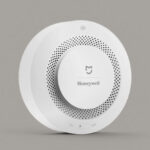
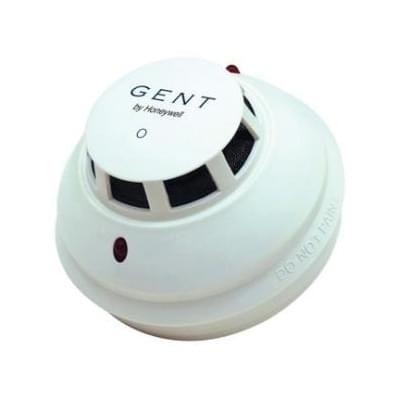
Ensuring robust fire safety in offices and workplaces is essential for protecting employees, visitors, assets, and business continuity. The first critical step in any effective fire protection strategy is early detection typically through smoke detection systems. Honeywell smoke detectors are trusted globally for their advanced detection capabilities, reliable performance, and compatibility with comprehensive fire alarm systems. This article explains why Honeywell smoke detectors are ideal for offices and workplaces, how they work, key specifications, installation best practices, and how they enhance fire safety in organisational environments.
Understanding the Role of Smoke Detectors in the Workplace
Fires in offices and workplaces can start from multiple sources, including electrical faults, overheated equipment, kitchen areas, paper and fabric storage, or maintenance work. Unlike residential environments, workplaces often include larger spaces, shared facilities, multiple occupancy levels, and diverse fire risk zones. Early fire detection helps protect not only property but also human life and operational continuity.
Unlike standalone residential alarms, workplace fire detection systems need to be integrated, scalable, and compliant with safety regulations. Honeywell smoke detectors, from basic units to advanced addressable devices, provide solutions that meet these requirements.
How Honeywell Smoke Detectors Work
Honeywell employs industry‑recognised technologies in its smoke detectors to ensure rapid and accurate fire detection under varied conditions:
Photoelectric Detection: A light source and sensor are enclosed in an optical chamber. Smoke particles entering the chamber scatter the light toward the sensor, triggering an alarm. This technology is especially effective for detecting smouldering or slow‑burning fires, which are common in office settings containing paper, furniture, and fabric.
Ionisation Detection: Uses a small amount of radioactive material to ionise air in a sensing chamber. When smoke particles disrupt this ionised environment, the change triggers the alarm. This technology responds faster to fast‑flaming fires.
Dual‑Sensor Models: These combine both technologies to improve overall detection coverage. Dual sensors are particularly useful in workplaces with mixed fire risks.
Types of Honeywell Smoke Detectors for Workplaces
Honeywell offers a range of detectors designed to fit different workplace needs and fire safety system scales:
Basic Commercial Smoke Detectors
These provide reliable smoke detection in small offices or individual rooms. They are easy to install, either battery powered or hardwired with battery backup. Basic models are cost‑effective for small businesses that need dependable fire detection without complex integration.
Photoelectric and Dual‑Sensor Smoke Detectors
Photoelectric units minimise false alarms from dust and steam, making them ideal for open office areas and corridors. Dual‑sensor units combine technologies to detect both smouldering and fast‑flaming fires, increasing overall fire detection reliability.
Addressable Smoke Detectors
In medium and large workplaces, addressable detectors communicate with a central fire alarm control panel. Each detector has a unique identifier, allowing safety teams to locate the exact source of smoke quickly. This precision is critical in large offices, multi‑floor buildings, and facilities with divided zones.
Integrated Smoke Detectors with Sounders
Some models include both detection and audible alarms in a single unit. These are useful in environments where visual and local audio warnings are required alongside centralised alarm notifications.
Key Specifications for Workplace Safety
When selecting Honeywell smoke detectors for offices and workplaces, consider the following technical specifications and features:
Detection Technology
Photoelectric, ionisation, or dual‑sensor options based on risk assessment. Dual sensors provide the broadest coverage for mixed fire risks.
Sensitivity and Response Time
Commercial detectors are calibrated to detect smoke at early stages while reducing nuisance alarms. Sensitivity levels can often be adjusted via the fire alarm control panel.
Alarm Output and Signalling
Audible outputs typically range from 85 dB to over 100 dB, sufficient to alert occupants in open work areas and common spaces.
Addressable Communication
Addressable systems ensure that individual detector locations are tracked and monitored centrally. This enables faster response and detailed event logging.
Compliance Standards
Honeywell detectors comply with international safety standards such as EN54 and UL. Compliance ensures performance reliability and acceptance by building and fire safety inspectors.
Integration with Fire Alarm Systems
Honeywell detectors are designed to work with fire alarm control panels and building safety systems. This allows for coordinated alarm signalling, automated emergency lighting activation, and integration with suppression systems.
Why Professional Installation Matters
Correct installation is essential to ensure that Honeywell smoke detectors function as intended. Professional installation services include:
Fire Risk Assessment
A detailed evaluation of office layout, occupancy levels, potential fire hazards, and escape routes. This assessment informs the number and type of detectors required.
Strategic Placement
Detectors are placed in high‑risk areas, corridors, entrance/exits, near electrical rooms, and common spaces. Ceiling placement is preferred because smoke rises naturally, ensuring early detection.
Wiring and Network Setup
In larger deployments, detectors may be integrated into a central fire alarm system. This requires proper wiring, power backups, panel configuration, and testing.
Configuration and Testing
After installation, detectors are tested to ensure they trigger correctly. Addressable systems are verified for communication accuracy and correct zone mapping.
Documentation and Compliance
Installation services often include certification, compliance documentation, and user manuals. These are important for fire safety audits, insurance, and regulatory requirements.
Placement Best Practices for Offices
Workspace Layout Considerations
Place detectors in open areas, hallways, break rooms, kitchens, and server or electrical equipment rooms. Avoid installation near HVAC vents or areas prone to steam or dust generation that may cause false alarms.
Multi‑Storey Buildings
Install detectors on every floor, near stairwells, exit routes, and lift lobbies. Ensure detectors are interconnected so that an alert on one floor activates alarms across the building.
Partitioned Offices
In offices with cubicles or closed rooms, each section should have adequate smoke detection coverage. Addressable detectors help pinpoint the exact location of smoke in partitioned spaces.
Maintenance and Testing Requirements
Routine testing and maintenance keep Honeywell smoke detectors ready to respond:
Monthly Function Tests
Use the test button or simulation tools to confirm that each detector activates. Monthly tests verify sensors and alarm circuits.
Quarterly Inspections
Professional inspections check device sensitivity, wiring integrity, and power continuity. Dust and debris are cleaned from sensing chambers to maintain performance.
Annual System Evaluation
A comprehensive annual evaluation by certified technicians ensures that detectors, alarm panels, and integrated systems meet safety standards.
Training and Awareness
Workplaces should conduct fire safety training for employees. This includes instructing occupants on evacuation routes, alarm sounds, and basic fire response procedures.
Benefits of Honeywell Smoke Detection Systems in Workplaces
Early and Accurate Warning
Honeywell detectors provide reliable early detection, enabling timely evacuation and safer responses to fire incidents.
Reduced False Alarms
Advanced sensing chambers and signal processing technologies reduce false triggers from non‑fire conditions like steam or dust, increasing system credibility.
Integrated Safety Response
When connected to fire alarm panels, detectors coordinate with other safety mechanisms such as automated fire doors, sprinklers, and emergency lighting.
Compliance and Documentation
Honeywell systems help organisations meet local fire safety regulations, building codes, and insurance requirements.
Scalability and Flexibility
From small offices to large corporate campuses, Honeywell smoke detectors scale easily and can be expanded as workplace needs evolve.
Cost Considerations and Value
Investing in a quality smoke detection system involves upfront costs for detectors, installation, control panels, and professional services. However, the value provided in terms of safety, compliance, and reduced risk outweighs the initial expenditure. Honeywell’s reputation for durability and long‑term performance also helps reduce maintenance costs over time.
Conclusion
Honeywell smoke detectors are an excellent choice for offices and workplaces that prioritise fire safety, regulatory compliance, and reliable early detection. With a range of models suited for different environments, advanced sensing technologies, and compatibility with fire alarm systems, Honeywell provides comprehensive solutions that protect assets and save lives.
Professional installation, regular testing, and strategic placement ensure that these systems perform reliably when needed most. Whether for a small office, multi‑floor building, or large commercial facility, Honeywell smoke detection systems deliver dependable performance, minimise false alarms, and offer peace of mind to employers and occupants alike.
Also Read:


