

Ensuring effective fire safety begins with installing the right smoke detectors in the right locations. A reliable smoke detector works only when it is professionally installed, correctly configured, and integrated into the overall fire safety strategy of your building. Honeywell smoke detector installation services offer a comprehensive solution that includes expert assessment, precise installation, testing, and ongoing support, making them ideal for homes, offices, schools, factories, warehouses, and commercial complexes.
This article explains what Honeywell smoke detector installation services include, why professional installation matters, key steps involved, pricing considerations, and how these services improve fire safety outcomes.
Why Professional Installation Matters
Many people underestimate the importance of professional installation for smoke detectors. Installing a detector without proper planning can result in:
• Ineffective detection or delayed response
• False alarms in inappropriate locations
• Inadequate coverage for critical fire risk areas
• Poor integration with fire alarm systems
• Higher maintenance costs due to improper placement
Honeywell smoke detector installation services ensure that detectors are placed strategically, meet safety standards, and function as part of an overall fire protection system tailored to your specific building layout and use.
Types of Honeywell Smoke Detector Installation Services
Installation services can vary based on the type of detector and the environment:
Residential Installation – Basic standalone detectors or interconnected units for homes and small apartments.
Commercial Installation – Addressable smoke detectors integrated into fire alarm control panels for large buildings.
Industrial Installation – Heavy‑duty detectors for warehouses, factories, or areas with environmental challenges.
System Integration – Installation as part of a comprehensive fire alarm and suppression system.
Each installation type has specific requirements, and Honeywell professionals are trained to address these differences accurately.
What Installation Services Typically Include
A professional Honeywell smoke detector installation service generally includes the following components:
1. Site Evaluation and Risk Assessment
Before installation begins, a qualified technician conducts a thorough assessment of the building. This includes identifying potential fire sources, high‑risk zones, escape routes, electrical panels, and areas requiring early detection. The assessment determines the number and type of detectors needed, as well as their optimal placement.
2. Selection of the Right Detector Model
Honeywell smoke detectors come in different technologies such as photoelectric, ionisation, dual‑sensor, and addressable models. Based on the risk profile and environment, the technician recommends the most suitable models for reliable detection and minimal false alarms.
3. Design of the Detection System Layout
Following the assessment, a detailed layout plan is created, specifying where each detector, alarm sounder, and detector network component should be installed to achieve full coverage and compliance with safety standards.
4. Professional Installation and Wiring
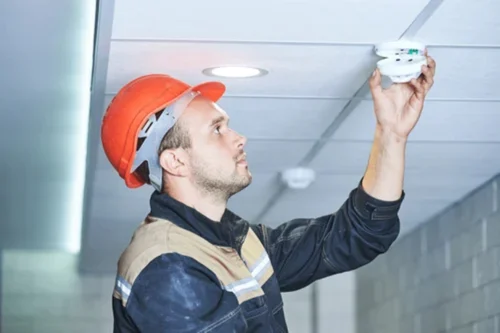
For standalone detectors, the technician mounts units at recommended positions (ceilings or high walls). In commercial settings, the installation includes wiring detectors to a fire alarm control panel, setting up power supplies with battery backups, and configuring communication between devices.
5. Configuration and Integration
Once installed, the detectors are configured to work with smoke alarm panels or networked systems. This can include linking detectors to automated alarm systems, public address systems, emergency lighting, and notification alerts to monitoring stations.
6. Testing and Quality Assurance
After installation, each detector is tested to ensure it triggers correctly under simulated smoke conditions. The technician verifies alarm output levels, power continuity, sensitivity, and communication with connected systems to certify correct operation.
7. User Training and Handover
Professional installers provide guidance on basic operation, testing procedures, and maintenance needs. Users receive instructions on how to perform monthly tests, replace batteries if applicable, and understand alarm indications.
8. Documentation and Compliance Certification
For commercial properties, installation services often include formal documentation such as placement layouts, compliance checklists, and certification of standards met. This documentation is essential for safety audits, insurance records, and regulatory compliance.
Benefits of Professional Honeywell Smoke Detector Installation
Professional installation delivers several key advantages:
Accurate Detection Coverage
Strategic placement ensures detectors are where they will detect smoke earliest, reducing risk and improving response time.
Reduced False Alarms
Correct installation and calibration minimise nuisance alarms caused by steam, dust, or normal environmental changes.
Integration with Fire Alarm Systems
In commercial environments, detectors are integrated with alarm panels and monitoring systems, improving response coordination.
Compliance with Safety Standards
Professional installation meets regulatory requirements and safety codes, helping building owners avoid penalties.
Long‑term Reliability and Support
Installed systems are thoroughly tested, supported with maintenance plans, and backed by warranty services when available.
Installation Considerations for Different Environments
Homes and Apartments
Honeywell installers typically recommend detectors in hallways, sleeping areas, living rooms, and near kitchen exits. Ceiling installation is preferred since smoke rises.
Offices and Commercial Spaces
Detectors are installed in corridors, offices, meeting rooms, server rooms, and utility areas. Integration with central fire alarm systems ensures coordinated alerts and easier management.
Warehouses and Industrial Sites
Environmental conditions such as dust, heat, and humidity influence detector choice and placement. Industrial installations may use specialised housings and advanced detectors designed to operate reliably in challenging environments.
Educational and Healthcare Facilities
In places with high occupancy and vulnerable populations, Honeywell installers ensure comprehensive coverage and integration with paging systems, emergency lighting, and evacuation protocols.
Maintenance and After‑Installation Services
Installation is only the beginning of an effective fire safety strategy. Honeywell smoke detector installation services often include follow‑up maintenance and support:
Routine Testing and Inspections
Scheduled monthly or quarterly tests ensure that detectors continue to work reliably.
Battery Replacement and Sensor Cleaning
Periodic maintenance includes replacing batteries in battery‑powered units and cleaning detectors to prevent dust buildup.
Software and Firmware Updates
Networked addressable systems may require occasional updates to maintain compatibility and performance.
System Upgrades and Expansion
As building requirements change, additional detectors or integration with broader safety systems can added by certified technicians.
Cost Considerations
The cost of Honeywell smoke detector installation services varies based on several factors:
Number of detectors required
Type of detectors (basic, dual‑sensor, addressable)
Whether standalone or integrated into a fire alarm system
Building size and complexity of wiring
Additional features such as interconnection, monitoring service, or integration with suppression systems
While professional installation adds to upfront cost compared to DIY setups, the value in terms of performance, reliability, compliance, and long‑term safety far outweighs the initial expenditure.
Choosing the Right Service Provider
When selecting a Honeywell smoke detector installation service, consider the following:
Certified and trained technicians
Experience with residential and commercial installations
Warranty and after‑sales support availability
Ability to provide compliance documentation
Clear pricing and scope of work
Choosing a reputable service provider ensures safety standards met and provides peace of mind in critical situations.
Conclusion
Honeywell smoke detector installation services offer a complete fire safety solution, from initial assessment and detector selection to installation, testing, and ongoing maintenance. For homes and commercial buildings alike, professional installation ensures that smoke detectors perform as intended and respond promptly in case of fire. Investing in expert installation and support enhances overall fire safety, reduces risk, and helps protect lives and property.
Whether you are securing a small residence or a large commercial facility, Honeywell smoke detector installation services deliver reliable detection, regulatory compliance, and long‑term performance. With the right installation strategy, your fire safety system becomes a dependable first line of defence against fire hazards.
Also Read:


