

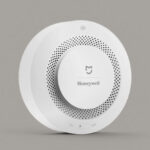

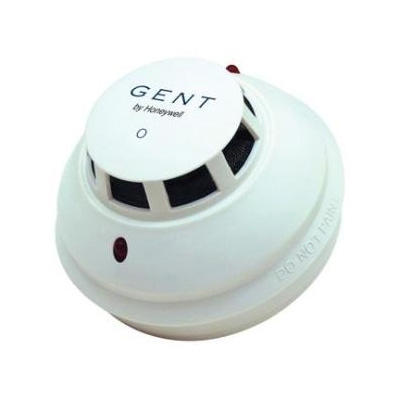
Smoke detectors are a critical component of any effective fire safety strategy. They provide early warning of fire hazards, enabling occupants to respond quickly, reduce damage, and save lives. Honeywell smoke detectors are widely trusted for their reliability, performance, and compatibility with advanced fire safety systems. To ensure these devices function optimally, proper installation and regular maintenance are essential.
This article explains how Honeywell smoke detectors should be installed and maintained, what best practices to follow, and why professional service can make a significant difference in overall fire safety.
Why Installation and Maintenance Matter
A smoke detector that is poorly installed or not maintained can fail when it is needed most. Incorrect placement can delay detection, while neglected devices may suffer from reduced sensitivity, dead batteries, or sensor contamination. Honeywell smoke detector installation and maintenance practices are designed to make sure devices detect smoke early and operate reliably over time.
Proper installation ensures accurate detection coverage and integration with building fire safety infrastructure. Regular maintenance sustains performance and reduces the risk of false alarms and malfunction.
Professional Installation: The First Step in Fire Safety
Correct installation is the foundation of a dependable smoke detection system. Honeywell smoke detector installation services should follow these key steps:
Site Assessment and Risk Evaluation
Before installing detectors, a thorough site assessment should be completed. This evaluation identifies:
• High-risk areas (such as electrical rooms or kitchens)
• Primary escape routes and common spaces
• Locations with equipment that may generate heat or smoke
• Ceiling heights and airflow patterns
A professional installer uses this information to plan optimal detector placement, ensuring early detection in the areas where it matters most.
Selecting the Right Detector Model
Honeywell offers several types of smoke detectors:
Photoelectric Detectors – Ideal for detecting smouldering fires that produce visible smoke.
Ionisation Detectors – More responsive to fast-flaming fires.
Dual-Sensor Detectors – Combine both technologies for broader coverage.
Addressable Detectors – Provide unique identifiers and connect to central fire alarm panels.
Professional installers help choose the right detector type based on the specific environment, occupancy, and fire risk profile.
Strategic Placement
The effectiveness of a smoke detector depends on where it is installed. General placement guidelines include:
• Mount detectors on ceilings, as smoke rises naturally.
• In rooms with sloped ceilings, install at the highest point.
• Place detectors near bedrooms and common areas in homes.
• In workplaces, install detectors in corridors, near equipment, and at building exits.
• Avoid placing detectors near windows, air vents, or humid areas such as bathrooms, which can cause false alarms.
Proper placement ensures the earliest possible detection of smoke under real fire conditions.
Wiring and Integration
In commercial settings, Honeywell smoke detectors are often integrated with a fire alarm control panel. Installation includes:
• Running detector wiring to the control panel
• Providing backup power (battery or auxiliary supply)
• Programming detector addresses in addressable systems
• Testing activation signals and alarm notification circuits
Integration allows central monitoring, coordinated alarms, and connection with other safety systems such as sprinklers and emergency lighting.
Testing After Installation
Once installed, each detector must be tested to confirm:
• Proper alarm activation
• Power and backup battery function
• Communication with fire alarm panels (where applicable)
• Correct sensitivity and response behaviour
Professional installers document test results, ensuring that every device is functional and compliant with safety standards.
Routine Maintenance Ensures Long-Term Reliability
Even well-installed smoke detectors require ongoing care. Honeywell smoke detector maintenance includes the following:
Monthly Testing
Most Honeywell smoke detectors have a built-in test button. Pressing this button checks:
• Alarm sound output
• Sensor functionality
• Power status
Monthly testing confirms that detectors are active and ready to respond in an actual emergency.
Battery Replacement
Battery-powered detectors or hardwired units with battery backup need regular battery checks. A best practice is to:
• Replace batteries annually
• Replace immediately when a low-battery warning chirps
• Use only manufacturer-recommended battery types
Failing batteries are one of the most common reasons smoke detectors become non-functional.
Cleaning and Sensor Maintenance
Dust, cobwebs, and grime can accumulate in the detector chamber and reduce sensitivity. Maintenance technicians should:
• Gently vacuum the detector exterior
• Use a soft brush to remove dust near the sensing chamber
• Avoid harsh cleaners or liquids that could damage internal components
Routine cleaning keeps sensors responsive and reduces the likelihood of false alarms.
Professional Inspections
In commercial and larger residential properties, periodic inspections by trained technicians are recommended. These inspections often include:
• Full system diagnostics
• Sensitivity checks
• Wiring and panel integrity testing
• Battery health and backup power testing
Annual or semi-annual professional servicing helps detect wear, ageing components, or service issues before they become critical.
Record Keeping and Compliance
Maintenance activities should be documented, especially in workplaces and commercial buildings. A maintenance log typically includes:
• Installation date and location of each detector
• Monthly test results
• Battery replacement dates
• Cleaning and inspection records
• Professional servicing notes
Keeping accurate records supports fire safety compliance, helps with insurance requirements, and provides a history of device health over time.
Common Issues and Troubleshooting
Even with good installation and maintenance, some issues can arise. Common signs of problems include:
Frequent False Alarms
Often caused by dust accumulation, improper placement near ventilation, or high humidity. Cleaning and relocating the detector usually resolves the issue.
No Alarm When Tested
This indicates power or sensor failure. Immediate battery replacement or professional inspection is necessary.
Intermittent Chirping
This usually signals low battery or a loose connection in hardwired systems.
Timely attention to these signs helps maintain confidence in the fire detection system.
Benefits of Professional Installation and Maintenance
Honeywell smoke detector installation and maintenance services deliver several key advantages:
Maximum Detection Coverage
Properly placed and maintained detectors ensure early and accurate smoke detection.
Reduced Risk of Malfunction
Regular servicing minimises the chance of device failure during emergencies.
Compliance With Safety Standards
Professional installation and documentation support adherence to building codes and fire safety regulations.
Extended Device Lifespan
Routine care keeps detectors operating efficiently for their full service life.
Peace of Mind
Residents and building managers can be confident that their fire safety systems are functional and dependable.
Conclusion
Honeywell smoke detector installation and maintenance represent a vital investment in fire safety. Correct installation ensures that smoke detectors are positioned and configured to detect smoke early, while regular maintenance sustains sensitivity, reduces false alarms, and extends device life.
Whether for residential properties, offices, or larger commercial buildings, professional installation and consistent care of Honeywell smoke detectors help protect lives, property, and business continuity. With strategic planning, routine testing, and documented maintenance, building occupants benefit from a reliable fire detection system that performs when it matters most.
Also Read:


