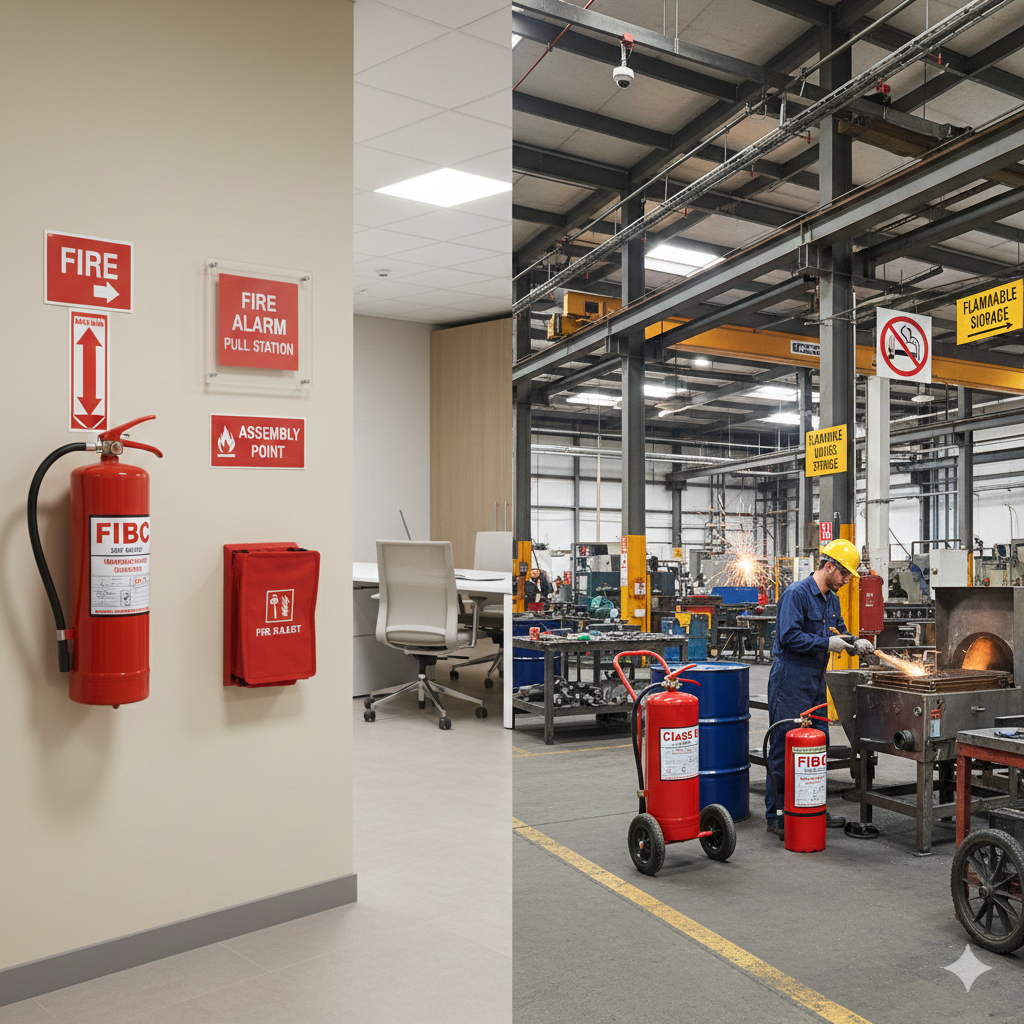
Fire accidents in offices and factories can cause serious injuries, damage property, and even lead to fatalities. Ensuring proper fire safety is not just a legal requirement but also a responsibility towards employees and assets. The right fire safety equipment can prevent disasters, minimize damage, and save lives. In this article, we will explore the best fire safety equipment for offices and factories, their importance, and how to use them effectively.
Why Fire Safety Equipment is Essential
Every office or factory has potential fire hazards, whether it’s electrical wiring, machinery, flammable chemicals, or cooking areas. Fire safety equipment acts as the first line of defense during emergencies. Without proper tools, even a small fire can quickly turn into a large-scale disaster.
Having proper fire safety equipment in place ensures:
-
Quick response to fire incidents
-
Protection of lives and property
-
Compliance with local fire safety regulations
-
Reduced financial loss due to fire damage
Investing in fire safety equipment is not just a legal obligation; it is also a smart step for long-term safety.
Types of Fire Safety Equipment
Fire safety equipment can be broadly classified into three categories: detection devices, fire suppression systems, and protective tools. Each type plays a crucial role in preventing and managing fire emergencies.
1. Fire Extinguishers
Fire extinguishers are the most common and essential fire safety equipment in any office or factory. They are portable devices used to extinguish small fires before they spread. There are different types of fire extinguishers suitable for different fire hazards:
-
Water Fire Extinguishers: Ideal for fires caused by paper, wood, or textiles. They should not be used on electrical or oil fires.
-
Foam Fire Extinguishers: Suitable for flammable liquids and solids. They create a barrier between the fuel and the fire.
-
CO2 Fire Extinguishers: Best for electrical fires as they do not leave residue and are non-conductive.
-
Dry Powder Fire Extinguishers: Multipurpose extinguishers that work on most types of fires, including flammable liquids and electrical fires.
It is crucial to place fire extinguishers in easily accessible locations and train staff on how to use them correctly.
2. Fire Alarms and Smoke Detectors
Early detection of fire can prevent major damage. Fire alarms and smoke detectors are vital fire safety equipment that provide immediate alerts during fire emergencies. Smoke detectors sense smoke particles and trigger alarms, giving occupants enough time to evacuate.
In offices and factories, smoke detectors should be installed in hallways, near electrical rooms, and close to areas with flammable materials. Fire alarms should be loud and connected to the main control panel to alert everyone simultaneously.
3. Fire Sprinkler Systems
Fire sprinkler systems are an advanced fire safety equipment designed for large offices and factories. These systems automatically detect heat and release water to control or extinguish fires. Sprinklers are particularly effective in factories where machinery and chemicals increase fire risks.
Installing a sprinkler system reduces the chances of fire spreading rapidly and helps in minimizing property damage. Regular maintenance and testing are essential to ensure their functionality during emergencies.
4. Fire Blankets
Fire blankets are simple yet effective fire safety tools, especially in kitchens, laboratories, or areas handling flammable chemicals. They are made of fire-resistant material and can smother small fires by cutting off oxygen supply. Fire blankets are particularly useful for clothing fires or small equipment fires in offices and factories.
5. Emergency Exit Signs and Lighting
In a fire emergency, quick evacuation is critical. Emergency exit signs and lighting are part of essential fire safety equipment that guides people to safety. Illuminated exit signs and backup emergency lights ensure that even if power fails, employees can find the nearest exits safely.
Proper signage should be installed in every corridor, stairwell, and assembly area to avoid confusion during panic situations.
6. Fire Hose Reels
Fire hose reels are effective for controlling fires in factories and large office spaces. Unlike portable fire extinguishers, hose reels provide a continuous supply of water, allowing trained personnel to tackle larger fires. They are usually installed near exits and should be regularly inspected to ensure they are in working condition.
7. Personal Protective Equipment (PPE)
In factories handling chemicals, electrical equipment, or heavy machinery, personal protective equipment is a vital part of fire safety. Fire-resistant gloves, helmets, jackets, and masks protect workers from burns and smoke inhalation. Investing in PPE along with other fire safety equipment can significantly reduce the risk of injuries during a fire emergency.
8. Fire Safety Signage and Training Materials
Having fire safety equipment alone is not enough. Offices and factories must also provide fire safety signage and training materials to ensure that employees know how to respond during emergencies. Fire drills, instructional posters, and manuals help staff understand evacuation routes, usage of fire extinguishers, and basic firefighting techniques.
Choosing the Right Fire Safety Equipment for Offices and Factories
Selecting the right fire safety equipment depends on several factors including the type of business, office layout, number of employees, and potential fire hazards. Here are some tips for choosing the most suitable equipment:
-
Conduct a fire risk assessment to identify potential hazards.
-
Choose fire extinguishers appropriate for the type of fire likely to occur.
-
Install smoke detectors and alarms in strategic locations.
-
Ensure sprinklers cover all high-risk areas in factories.
-
Provide PPE for staff working in hazardous areas.
-
Regularly inspect and maintain all fire safety equipment.
Maintenance of Fire Safety Equipment
Proper maintenance of fire safety equipment is crucial to ensure its effectiveness. Regular inspections, testing, and timely replacements are necessary. For instance:
-
Fire extinguishers should be checked monthly for pressure and integrity.
-
Smoke detectors and alarms should be tested quarterly.
-
Sprinkler systems need annual inspection and servicing.
-
Fire blankets and hoses should be inspected for wear and tear.
Neglecting maintenance can lead to equipment failure during emergencies, which can have disastrous consequences.
Legal Requirements and Compliance
In Pakistan, offices and factories are required to comply with local fire safety regulations. Authorities may conduct inspections to ensure that all fire safety equipment is installed, maintained, and accessible. Non-compliance can lead to fines, business shutdowns, or legal action. Investing in high-quality fire safety equipment ensures compliance and enhances the safety of employees.
Conclusion
Investing in the best fire safety equipment for offices and factories is a critical step in protecting lives, property, and business continuity. From fire extinguishers and smoke detectors to sprinkler systems and personal protective equipment, each tool plays an essential role in fire prevention and management. Regular maintenance, employee training, and compliance with regulations further enhance workplace safety. By prioritizing fire safety, businesses can reduce risks, build trust with employees, and ensure a secure working environment.
Remember, a fire can happen anytime, but with proper fire safety equipment in place, offices and factories can respond quickly and effectively, minimizing damage and protecting lives.
Also Read:


