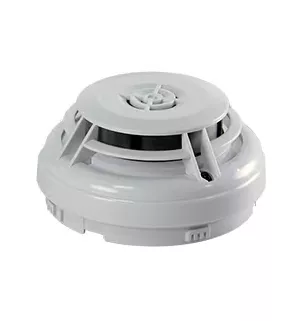
Ensuring fire safety in commercial buildings is more than a regulatory requirement. It directly impacts life safety, business continuity, insurance compliance, and asset protection. A critical component of any commercial fire safety strategy is a reliable smoke detection system. Honeywell smoke detection systems are trusted globally for their high performance, rapid response, and integration flexibility, making them a preferred choice for offices, shopping complexes, warehouses, hotels, and industrial facilities.
This article explains how Honeywell smoke detection systems work, key specifications, advantages in commercial environments, installation considerations, and maintenance essentials to achieve optimal fire safety outcomes.
Why Smoke Detection Systems Matter in Commercial Buildings
Commercial buildings often contain large open areas, multiple rooms, corridors, and complex utilities. Equipment racks, electrical panels, HVAC systems, storage facilities, kitchens, and machinery zones all represent potential fire risk areas. Early detection of smoke — often present long before flames — is critical for initiating alarms, evacuations, and automated suppression systems.
Honeywell smoke detection systems are designed to:
• Detect early signs of smoke across different fire types.
• Integrate with fire alarm control panels for centralised monitoring.
• Coordinate alerts with emergency response mechanisms such as sprinklers, alarms, and public address systems.
• Reduce false alarms through advanced sensing technologies.
For commercial environments where rapid and accurate response is essential, Honeywell detectors combine sensitivity with reliability.
Types of Honeywell Smoke Detectors for Commercial Use
Honeywell offers a range of smoke detection technologies tailored for commercial settings:
Photoelectric Smoke Detectors
Photoelectric sensors detect visible smoke particles typical of smouldering fires, such as those from wiring insulation, furniture, or slow‑burning materials. These are ideal for areas where smouldering fires are more likely than fast‑flaming ones.
Ionisation Smoke Detectors
Ionisation sensors are more responsive to fast‑burning fires that produce small combustion particles. These detectors are suited to environments where flammable liquids or fast‑flaming combustible materials may be present.
Dual‑Sensor Smoke Detectors
Dual models combine both photoelectric and ionisation technologies to detect a wider range of fire conditions. For commercial buildings with diverse fire risks, dual sensors provide broader detection coverage.
Addressable Smoke Detectors
In larger facilities, addressable detectors communicate with a central fire alarm panel. Each detector has a unique identifier, allowing precise localisation of the fire source. This is essential for high‑rise buildings, campuses, or multi‑zone commercial structures where pinpoint detection expedites emergency response.
Integrated Smoke and Sounder Units
These devices include both smoke detection and built‑in alarm sounders. Integrated units are effective in noisy environments by providing immediate local alerts while communicating with the fire alarm system.
Core Specifications Relevant to Commercial Systems
Understanding technical specifications helps in selecting the appropriate Honeywell smoke detection system for different building types.
Sensitivity Range
Commercial detectors are calibrated to detect smoke at defined optical densities, ensuring prompt activation without over‑sensitivity. Sensitivity settings are often adjustable via fire alarm control panel programming.
Alarm Output Levels
Typical outputs range from 85 dB to 110 dB. Higher outputs are necessary in large or noisy spaces to ensure occupants are alerted effectively.
Certification Standards
Honeywell detectors comply with international fire safety standards such as EN54 and UL. Compliance ensures consistent performance and acceptance by safety inspectors and insurance requirements.
Addressable Capability
Addressable detectors send unique signals to the control panel, enabling advanced monitoring, logging, diagnostics, and precise alarm location identification.
Integration Compatibility
Honeywell smoke detectors can integrate with:
• Fire alarm control panels
• Sprinkler systems
• Emergency lighting
• Building management systems (BMS)
• Central monitoring stations
This interoperability ensures a coordinated safety response.
Advantages of Honeywell Smoke Detection Systems in Commercial Settings
Early and Accurate Detection
Honeywell systems are engineered to detect even trace levels of smoke at early stages, enabling faster response and reducing damage potential.
Reduced False Alarms
Sophisticated optical and multi‑sensor technologies minimise false triggers from steam, dust, or environmental changes, which is vital in high‑traffic commercial environments.
Scalability and Flexibility
Honeywell systems scale from small offices to sprawling commercial complexes. Addressable networks allow hundreds of detectors and zones to be monitored with precision.
Centralised Control and Monitoring
When connected to a fire alarm panel, all detectors communicate centrally. Fire safety managers can see exactly where smoke was first detected and initiate appropriate action, whether evacuation, suppression, or alerting emergency responders.
Compliance and Certification
Meeting international fire safety standards helps commercial building owners comply with local codes, safety audits, and insurance requirements.
Customisable to Building Layouts and Risk Profiles
Honeywell systems can be configured according to building design, occupancy levels, and fire risk mapping. High‑risk areas such as electrical rooms, kitchens, or storage zones can be monitored individually.
Installation and Integration Best Practices
To achieve effective fire detection, installation must follow best practices:
Risk Assessment First
A professional fire risk assessment should precede installation. This identifies high‑risk zones, determines detector density, and establishes integration requirements with fire alarm and suppression systems.
Correct Placement
Smoke detectors should be installed at strategic locations: near ceilings, main corridors, stairwells, electrical rooms, and utility spaces. Avoid placing detectors too close to vents, fans, or areas with heavy dust unless using specialised models.
Zoning and Addressing
In addressable systems, detectors should be grouped logically into zones that reflect building layout and fire response planning. Each detector address should be programmed into the control panel for precise location identification.
Power Supply and Backup
Commercial systems typically use mains power with battery backup. Ensuring redundancy in power supply prevents detector malfunction during power outages.
Integration with Fire Safety Infrastructure
Detectors must be connected to fire alarm control panels, sprinkler systems, alarm sounders, and building management systems. Integration ensures that a smoke detection event triggers coordinated alerts and response actions.
Maintenance and Testing Requirements
Commercial smoke detection systems require routine maintenance to remain effective:
Regular Testing
Monthly tests ensure detectors are responding and communication with the control panel is intact.
Annual Professional Inspection
Certified technicians should inspect detectors, wiring, and control panels at least once a year, verifying sensitivity levels, power supply status, and compliance with safety standards.
Cleaning and Sensor Checks
Smoke detectors can accumulate dust and debris over time. Cleaning detector chambers and sensor ports keeps sensitivity consistent.
Documentation and Log Keeping
Maintain records of tests, inspections, replacements, and system updates. These logs are valuable for safety audits and compliance reviews.
Honeywell Smoke Detection in Action
In offices, Honeywell detectors provide continuous monitoring of workspaces, meeting rooms, and common areas. Early detection reduces the risk of injuries and supports safe evacuation.
In hotels, detectors in guest room corridors, service areas, and kitchens ensure that a fire event is quickly detected and reported to central safety control.
In shopping centres, addressable Honeywell systems help security teams locate smoke events precisely, enabling targeted evacuation and minimising disruption to unaffected areas.
In factories and warehouses, detectors can be paired with specialised units designed for dusty or industrial conditions, ensuring sensitive detection in challenging environments.
Cost Considerations and Long‑Term Value
Commercial smoke detection systems require initial investment in detectors, control panels, wiring, and installation. While upfront costs vary with building size and complexity, the long‑term value of early fire detection and reduced risk of damage far outweighs expenses. Honeywell systems are known for durability and reliability, helping reduce maintenance costs and false alarms over time.
Conclusion
Honeywell smoke detection systems provide a robust and reliable solution for fire safety in commercial buildings. With advanced detection technologies, scalable architecture, easy integration with fire alarm systems, and compliance with international standards, Honeywell detectors ensure early detection and rapid response to smoke events. Whether for offices, hotels, shopping centres, warehouses, or industrial facilities, Honeywell systems enhance overall safety, support regulatory compliance, and protect lives and property effectively.
Choosing the right Honeywell smoke detection system, planning strategic installation, and ensuring regular maintenance creates a dependable fire safety foundation for any commercial environment.
Also Read: