Ensuring safety at work is not just a legal requirement, it is a responsibility every employer and employee must take seriously. Workplace accidents can cause serious injuries, affect productivity, and even result in legal consequences. One of the most effective ways to minimize risks is by investing in the right workplace safety equipment. This guide provides a detailed overview of safety gear, helping you make informed decisions when buying protective equipment for your workplace.
Why Workplace Safety Equipment is Essential
Fire Safety Trading (Pvt)
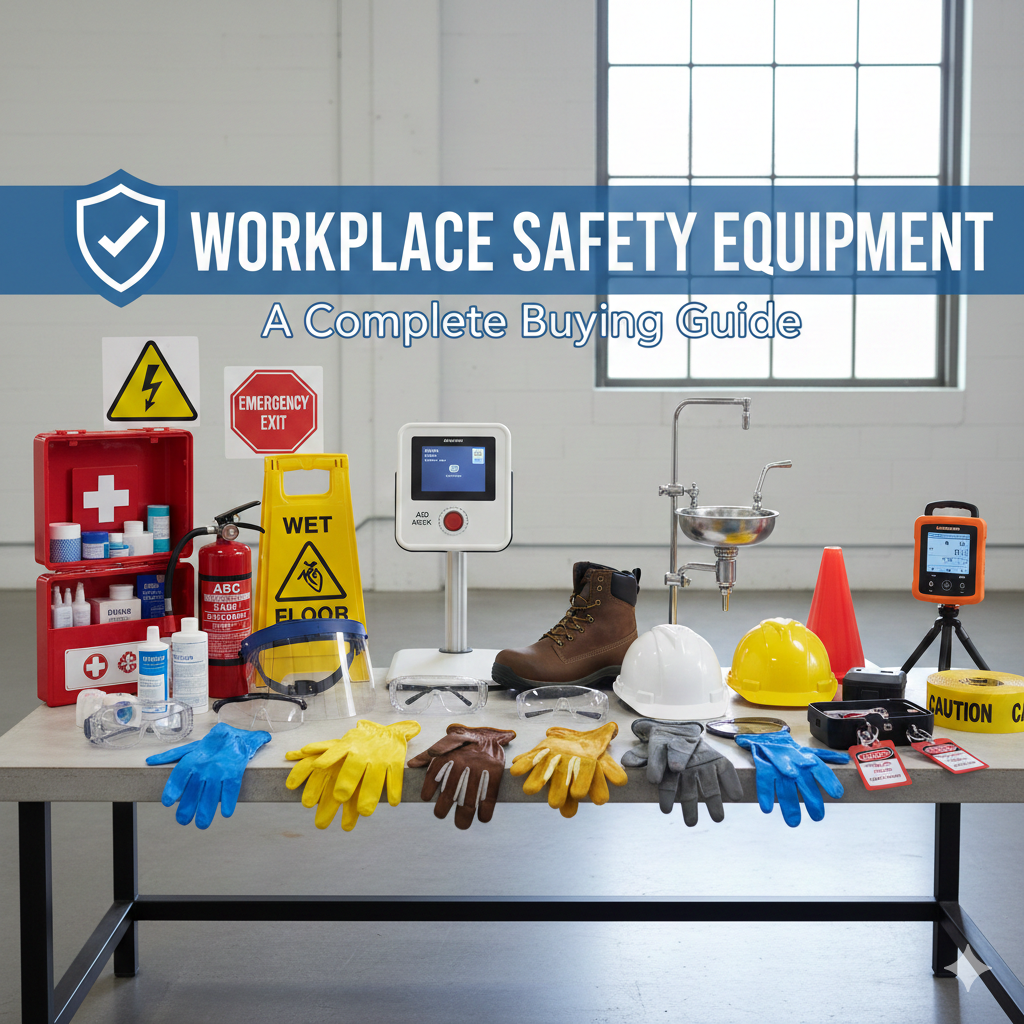
ToggleWorkplace safety equipment plays a vital role in protecting employees from hazards. Whether you work in construction, manufacturing, chemical industries, or offices, appropriate safety gear can prevent injuries such as cuts, burns, falls, and exposure to harmful substances. For example, helmets protect against head injuries, gloves prevent cuts and chemical burns, and safety shoes reduce the risk of foot injuries.
Beyond physical protection, using safety equipment also boosts morale and confidence among workers. Employees feel valued when employers prioritize their health and safety, which can improve productivity and reduce absenteeism.
Understanding Different Types of Workplace Safety Equipment
Safety equipment comes in various forms, designed to protect different parts of the body. Knowing the right type of equipment for your work environment is crucial. Here’s a breakdown of essential workplace safety gear:
1. Head Protection
Helmets and hard hats are essential in workplaces where there is a risk of falling objects or head injuries. Modern safety helmets are lightweight, durable, and often come with adjustable straps for comfort. Some helmets also feature visors to protect the eyes from dust, chemicals, or sparks.
When buying head protection, consider the material, comfort, and certification. Look for helmets that meet international safety standards to ensure reliable protection.
2. Eye and Face Protection
Eye injuries are common in many industries, especially those involving chemicals, welding, or woodworking. Safety goggles, face shields, and protective glasses can prevent accidents ranging from minor irritations to permanent vision damage.
Safety goggles should fit snugly, be scratch-resistant, and offer anti-fog features for long working hours. Face shields provide additional protection against chemical splashes and flying debris, making them ideal for laboratories and heavy industries.
3. Hearing Protection
Prolonged exposure to loud machinery can cause permanent hearing loss. Earplugs and earmuffs are essential workplace safety equipment in noisy environments.
Choose ear protection based on noise levels and duration of exposure. Some advanced earmuffs even come with communication features, allowing workers to interact without removing protective gear.
4. Respiratory Protection
Dust, fumes, and harmful gases are significant hazards in industries like construction, mining, and chemical manufacturing. Respirators and masks help prevent inhalation of dangerous particles.
When selecting respiratory equipment, consider the type of hazard, level of filtration, and comfort. High-quality masks with replaceable filters ensure long-term safety and better airflow.
5. Hand Protection
Hands are often exposed to sharp objects, chemicals, extreme temperatures, and machinery. Gloves designed for specific risks can prevent injuries and improve grip.
For chemical handling, choose gloves made of nitrile or rubber. Heat-resistant gloves are essential in kitchens, foundries, and metalworking industries. Cut-resistant gloves provide protection in construction and manufacturing settings.
6. Foot Protection
Workplace accidents affecting feet are common but often overlooked. Safety shoes and boots protect against heavy objects, punctures, slips, and electrical hazards.
When buying safety footwear, consider the sole material, toe protection (steel or composite), slip resistance, and comfort for long hours. Proper fitting is critical to prevent blisters and foot fatigue.
7. Body Protection
Work environments with risks like sparks, chemicals, or extreme weather require protective clothing. Lab coats, aprons, high-visibility jackets, and full-body suits help minimize exposure to hazards.
Materials and design matter. Flame-resistant clothing is necessary for welding or chemical plants, while reflective jackets are vital for construction sites or night shifts.
8. Fall Protection
Falls are among the leading causes of workplace injuries, particularly in construction and maintenance work. Harnesses, lanyards, and safety nets prevent fatal accidents.
Ensure fall protection equipment complies with safety regulations, fits well, and is regularly inspected for wear and tear. Proper training on how to use this equipment is also essential.
How to Choose the Right Workplace Safety Equipment
Buying the right safety gear requires careful consideration. Here are key factors to guide your purchasing decisions:
-
Risk Assessment: Identify hazards in your workplace. Different industries require different safety solutions. Conducting a proper risk assessment helps determine what protective equipment is necessary.
-
Compliance with Standards: Look for products that meet local and international safety standards. Certified equipment ensures reliability and legal compliance.
-
Quality and Durability: High-quality safety gear may cost more upfront but saves money in the long run by providing better protection and lasting longer.
-
Comfort and Fit: Employees are more likely to wear equipment consistently if it is comfortable. Adjustable straps, lightweight materials, and ergonomic designs improve compliance.
-
Maintenance and Replacement: Safety gear requires regular inspection and replacement. Consider ease of maintenance and availability of spare parts before purchasing.
-
Budget Considerations: While cost is important, do not compromise safety for savings. Investing in high-quality equipment reduces the risk of accidents and potential liabilities.
Tips for Maintaining Workplace Safety Equipment
Proper maintenance ensures safety equipment continues to function effectively. Here are practical tips:
-
Regular Inspection: Check for cracks, wear, or damage before use. Replace equipment immediately if defects are found.
-
Cleaning: Keep gear clean according to manufacturer instructions. Contaminated gloves or helmets can reduce protection.
-
Proper Storage: Store equipment in dry, ventilated areas to prevent corrosion or deformation.
-
Training Employees: Workers should know how to wear and use equipment correctly. Proper training reduces misuse and accidents.
Investing in Safety Pays Off
Some employers may view safety equipment as an added expense, but the benefits outweigh the costs. Accidents can lead to medical bills, legal fines, lost productivity, and reputational damage. By investing in workplace safety equipment, businesses create a safer environment, improve employee satisfaction, and enhance overall efficiency.
Future Trends in Workplace Safety Equipment
Safety technology is evolving rapidly. Smart helmets with sensors, wearable devices monitoring worker health, and advanced respirators with real-time air quality alerts are becoming more common. Staying updated on these innovations can help businesses improve safety standards and reduce risks further.
Conclusion
Choosing the right workplace safety equipment is crucial for protecting employees, complying with laws, and maintaining a productive work environment. From headgear and gloves to fall protection and respiratory equipment, every piece plays a role in minimizing hazards.
When buying safety gear, focus on quality, compliance, and comfort, and ensure proper maintenance and training. A proactive approach to workplace safety not only prevents accidents but also builds a culture of care and responsibility. Investing in safety today saves lives, reduces costs, and strengthens your business for the future.
Workplace safety is not optional, it’s essential. Equip your team with the right protective gear, and create a work environment where safety comes first.
Also Read: