Working as an electrician or technician can be rewarding, but it comes with significant risks. Electricity is unpredictable, and even a small mistake can result in serious injuries or worse. That is why having the right safety tools is not just important—it is essential. Using proper safety gear protects professionals from accidents and ensures they can perform their tasks efficiently. In this article, we will explore the must-have safety tools for electricians and technicians, explaining why each tool is necessary and how to use it effectively.
1. Insulated Gloves
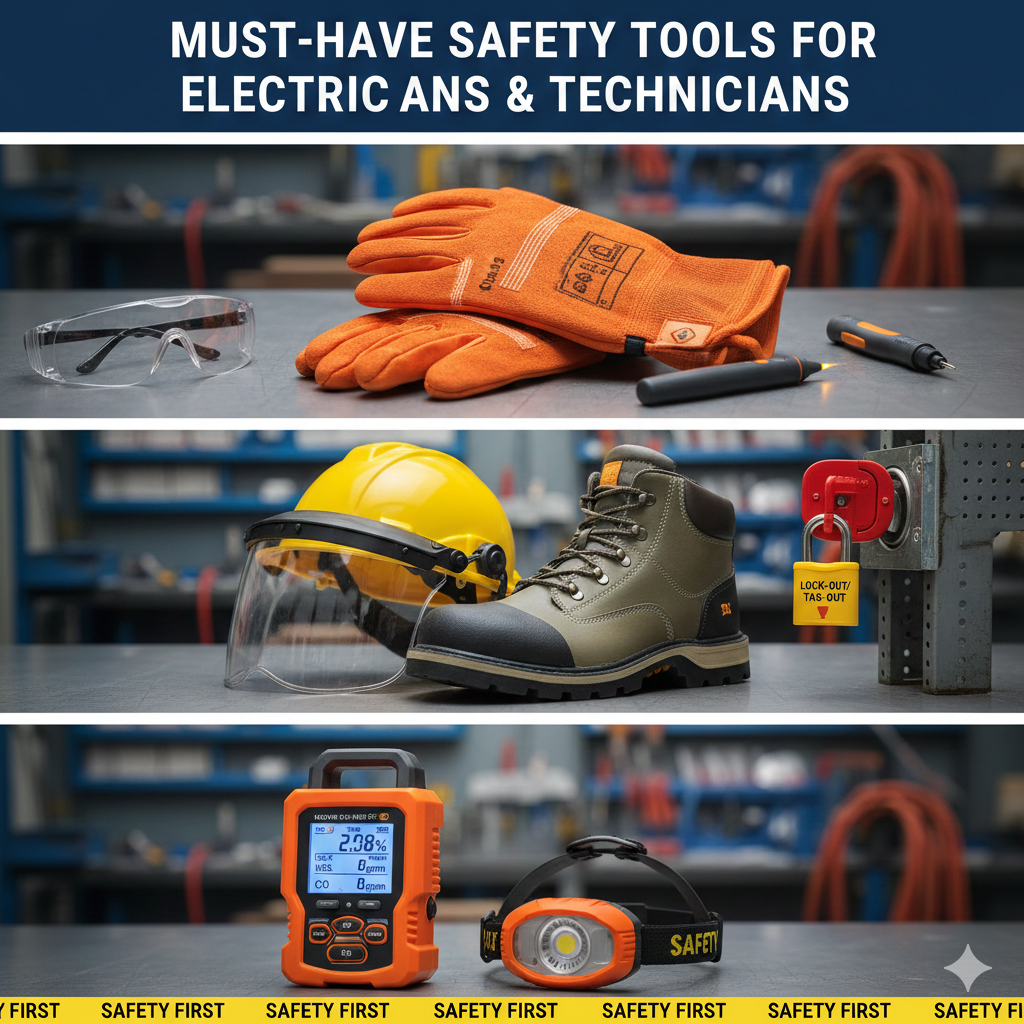
One of the most critical pieces of safety equipment for electricians is insulated gloves. These gloves are designed to protect against electric shocks while handling live wires or equipment. They are made from rubber or other insulating materials and are often tested for different voltage levels.
Electricians must always wear insulated gloves when working on live circuits, even if the power is supposed to be turned off. The gloves provide a layer of protection against accidental contact with live components. There are different classes of gloves, categorized by the voltage they can safely handle. For example, Class 0 gloves protect up to 1,000 volts, while Class 4 gloves can protect up to 36,000 volts. Choosing the correct class based on your work environment is crucial.
2. Safety Glasses and Face Shields
Eye protection is essential for electricians and technicians. Sparks, flying debris, and accidental splashes of chemicals or solder can cause severe eye injuries. Safety glasses or goggles made from shatterproof materials help prevent these accidents.
For tasks with higher risks, such as grinding, welding, or cutting, face shields provide full-face protection. These shields prevent burns and injuries to the eyes, face, and neck. Always ensure that your safety glasses or shields are rated for impact resistance and meet international safety standards.
3. Voltage Testers and Multimeters
Electricians cannot work safely without knowing the status of electrical circuits. Voltage testers and multimeters are essential tools for checking live wires and measuring electrical parameters such as voltage, current, and resistance.
A voltage tester is used to detect the presence of electricity without making direct contact with live wires. It provides a quick indication, reducing the risk of electric shocks. Multimeters, on the other hand, offer more detailed measurements and are invaluable for troubleshooting electrical systems. Using these tools properly can prevent accidents and ensure that circuits are de-energized before maintenance.
4. Insulated Tools
Screwdrivers, pliers, and wrenches used by electricians should always be insulated. Standard tools can conduct electricity, which increases the risk of shocks if they touch live parts. Insulated tools have handles covered with materials that prevent electrical conduction, keeping the user safe.
When selecting insulated tools, look for tools rated for the specific voltage you will encounter. High-quality insulated tools often have certification marks to indicate compliance with safety standards. Using these tools in combination with gloves provides double protection.
5. Protective Clothing
Electricians working in high-risk environments, such as industrial or construction sites, should wear protective clothing. Flame-resistant (FR) clothing is particularly important when working with high voltage or equipment prone to sparks and arcs.
FR shirts, pants, and jackets are made from materials that resist ignition and self-extinguish if they catch fire. Pairing protective clothing with gloves, helmets, and eye protection reduces the chances of severe burns or injuries. For technicians working outdoors, clothing with reflective strips can also improve visibility, enhancing safety in low-light conditions.
6. Safety Helmets and Hard Hats
Head protection is often overlooked, but it is vital for electricians and technicians working in construction sites or areas with overhead hazards. Safety helmets or hard hats protect against falling objects, accidental bumps, and electric shocks.
Some helmets are designed with non-conductive materials to provide protection against electricity. It is important to choose a helmet that fits properly and meets safety standards. Adjustable straps and chin straps ensure that the helmet stays secure during work, offering consistent protection.
7. Ear Protection
Electricians and technicians sometimes work in noisy environments, such as industrial plants or construction sites. Prolonged exposure to high-decibel noise can cause permanent hearing damage. Ear protection, including earplugs and earmuffs, helps prevent hearing loss.
Modern ear protection devices are designed to reduce noise while still allowing the user to hear important signals and conversations. Choosing the right type of ear protection based on your environment ensures comfort and safety.
8. Lockout/Tagout Devices
Lockout/tagout (LOTO) devices are essential for ensuring that electrical equipment is completely de-energized before maintenance or repair. These devices prevent accidental energization of circuits, which can lead to serious injuries or fatalities.
LOTO devices include locks, tags, and chains that isolate energy sources. Before starting work, the technician locks the power source in the “off” position and attaches a tag indicating that maintenance is in progress. This safety procedure is mandatory in many industrial settings and significantly reduces workplace accidents.
Electricians and technicians often work with electrical systems that can spark or overheat, creating a fire hazard. Having a fire extinguisher nearby is crucial for quick response in case of fire.
It is important to use the correct type of fire extinguisher for electrical fires, such as a Class C extinguisher. Water-based extinguishers are not suitable for electrical fires, as they can conduct electricity and worsen the situation. Training in the proper use of fire extinguishers is equally important to ensure quick and safe response during emergencies.
10. First Aid Kits
Even with the best safety equipment, accidents can happen. Having a well-stocked first aid kit nearby can make a significant difference in emergency situations. Kits should include bandages, antiseptics, burn treatment supplies, and emergency contact information.
Technicians should be trained in basic first aid, including how to treat electrical burns, cuts, and minor shocks. Quick intervention can prevent minor injuries from becoming severe and can save lives in critical situations.
11. Insulated Mats and Work Platforms
Working on live electrical panels or wet surfaces increases the risk of electric shock. Insulated mats and work platforms provide an extra layer of protection. These mats made from materials that prevent electrical conduction and should be used whenever there is a risk of contact with live circuits.
For technicians working on elevated platforms, ensuring that ladders and scaffolds insulated is equally important. This reduces the risk of shock and enhances overall safety during maintenance work.
12. Safety Signage and Barriers
Proper safety tools also include awareness measures. Safety signs, warning labels, and physical barriers help prevent accidental entry into hazardous areas. Clear signage indicating high-voltage zones or ongoing maintenance work informs other workers and visitors about potential risks.
Using barricades and warning tape around the work area ensures that only authorized personnel enter, reducing the chance of accidents. This is especially important in busy industrial or construction sites.
Conclusion
Safety is the most important aspect of electrical and technical work. Investing in the right safety tools for electricians and technicians is not optional—it is mandatory. From insulated gloves and tools to protective clothing, helmets, and fire safety equipment, each item plays a crucial role in preventing accidents and saving lives.
Regular inspection and maintenance of safety gear are equally important. Damaged or worn-out equipment can fail when it has needed most, putting the user at risk. Training and awareness, combined with high-quality safety tools, create a safe and efficient work environment for electricians and technicians.
By prioritizing safety and using the recommended tools, professionals can reduce workplace accidents, enhance productivity, and maintain confidence in performing complex electrical tasks. Whether you a seasoned electrician or a technician just starting your career, equipping yourself with these must-have safety tools ensures that every job has done safely and effectively.